Coastal grandmother style evolves into restwear for slow mornings
Coastal grandmother is mutating into restwear, where slow mornings get a polish upgrade and comfort starts looking intentionally expensive.

Coastal grandmother style meets its next form
Coastal grandmother was never just about cardigans and crabby little seaside nostalgia. It was a visual code that made ease look cultured, and that is exactly why it has been able to morph into restwear without losing its audience. The new pitch is simpler and more commercial: don’t just dress comfortably at home, dress for the moments around sleep, the slow mornings, the early evenings, and everything soft in between.
That shift matters because it shows fashion is not abandoning loungewear, it is rebranding it. Harper’s Bazaar has already framed restwear as a wellbeing-first way to dress at home, a more intentional answer to standard sweats and pajamas. The message is clear: comfort is still the product, but now it has to look considered, current, and just polished enough to pass as a lifestyle choice rather than a concession.
Why coastal grandmother became the perfect runway for this
Coastal grandmother worked because it gave comfortable dressing a cultural alibi. Lex Nicoleta coined the term in early 2022, and it exploded because it felt instantly legible: Nancy Meyers films, Ina Garten domesticity, white button-downs, silk overshirts, cozy knits, robes, straight-leg jeans, caftans, straw hats. It was a fantasy of a life where everything is relaxed, but nothing is careless.
The numbers tell you how fast that fantasy spread. One 2022 report put the Coastal Grandmother hashtag at more than one billion TikTok views, while another placed it at over 107 million views on TikTok and more than 10,000 Instagram posts. That is not just virality, that is a wardrobe code becoming social shorthand. Once a trend becomes that searchable, brands can sell it back in slightly different packaging.
The appeal was never only aesthetic. Coastal grandmother made softness feel aspirational, which is exactly the bridge restwear now wants to cross. If coastal grandmother was the dream of looking serene on a Sag Harbor morning, restwear is the retail version of that fantasy: softer, sleeker, and engineered to be bought.
What restwear is actually changing
The most interesting thing about restwear is that it is not really inventing a new silhouette from scratch. It is shifting the mood around the same comfort category. Marks & Spencer is using the term for clothing that serves “the moments around sleep,” specifically “the slow mornings, early evenings and moments of relaxation in between.” That language does a lot of work. It moves the category away from pajamas-only thinking and into a fuller day cycle, where home dressing is treated like a real uniform.
That is the real evolution here: not dramatic reinvention, but editorialization. Traditional loungewear often reads as default, the thing you put on when the day is over. Restwear is being sold as something more deliberate, with a cleaner silhouette and a more wellness-coded identity. It is still about ease, but the styling implication is sharper: you are not dressed down, you are dressed appropriately for a slower tempo.
The visual language follows from that. Coastal grandmother already leaned into relaxed tailoring, easy separates, and textures that feel breathable and lived-in. Restwear keeps the relaxed part, but strips away anything that feels purely utilitarian. The result is a home uniform that is meant to look curated in a mirror, on a FaceTime call, or in the kind of candid that makes people wonder whether you actually got dressed.
Why brands are leaning so hard into it now
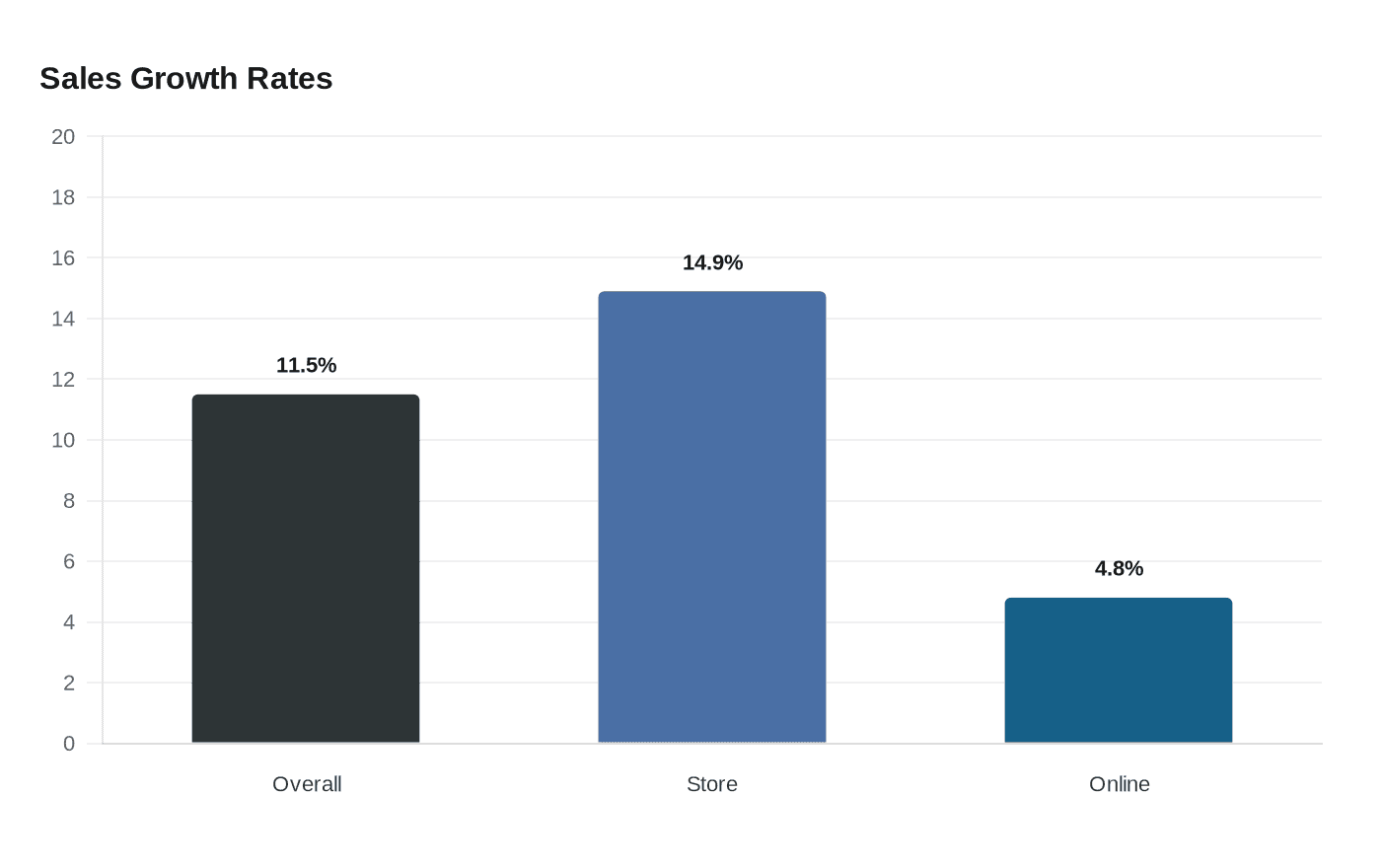
This is not happening in a vacuum. Comfort-driven fashion has already proven durable after the pandemic, and retailers know it. Marks & Spencer’s Clothing & Home business posted £3.72 billion in sales in the year to 1 April 2023, up 11.5 percent, with store sales up 14.9 percent and online sales up 4.8 percent. That is a brand with proof that people still want soft clothes, but also want those clothes to feel like an upgrade.
The broader context is simple: once shoppers got used to spending more time in their own homes, the line between private wear and public style got blurred for good. Brands now have a strong incentive to move beyond plain loungewear and into something with a story. Restwear is that story. It gives retailers a way to charge for comfort without sounding basic, and to frame the purchase as part of a slower, healthier life rather than a wardrobe necessity.
That is also why the term feels so new and so aggressively of-the-moment. A June 2026 article described restwear as a fresh category in a hyper-digital age, which makes sense. In a feed-driven market, the category needs to sound searchable, modern, and a little elevated. “Loungewear” is too blunt. “Restwear” sounds like a mood board with a margin structure.
The coastal grandmother wardrobe is being rewritten, not replaced
If coastal grandmother was the original template, restwear is the cleaner, more retail-friendly edit. The old look celebrated domestic polish through recognizable pieces like the white button-down, the robe, the straight-leg jean, the caftan, and the straw hat. The new look keeps the same emotional center, but it is more explicitly about where and when you wear it: around sleep, in transition, in the quiet hours when you want to feel put together without feeling pinned in.
That is why this evolution is more meaningful than a simple label swap. Coastal grandmother gave fashion permission to romanticize ease; restwear turns that permission into product. It suggests a shift from nostalgic domestic style to a more contemporary uniform built for a wellness-coded life at home. The best versions will feel like an actual upgrade in fabrication, drape, and styling discipline. The weaker ones will just be soft-focus marketing on the same old comfort category.
Right now, the smart read is that restwear is not killing coastal grandmother. It is sharpening it. The beige is still there, the softness is still there, but the silhouette is more controlled and the selling point is more explicit: look restful, not sloppy, and make the whole thing feel intentional enough to wear from the first coffee to the last quiet hour before bed.
This article was produced by Prism’s automated news system from verified source data, official records, and press releases, then run through automated quality and moderation checks before publishing. The system is built and supervised by the people who set the standards it runs under. Read our full AI policy.
Did this article answer your question?