Coastal Grandmother Style: The Origins and Key Elements Defining This Relaxed Aesthetic
Linen, layers, and a life well-lived near the water: coastal grandmother style is the relaxed aesthetic that makes quiet luxury feel genuinely livable.
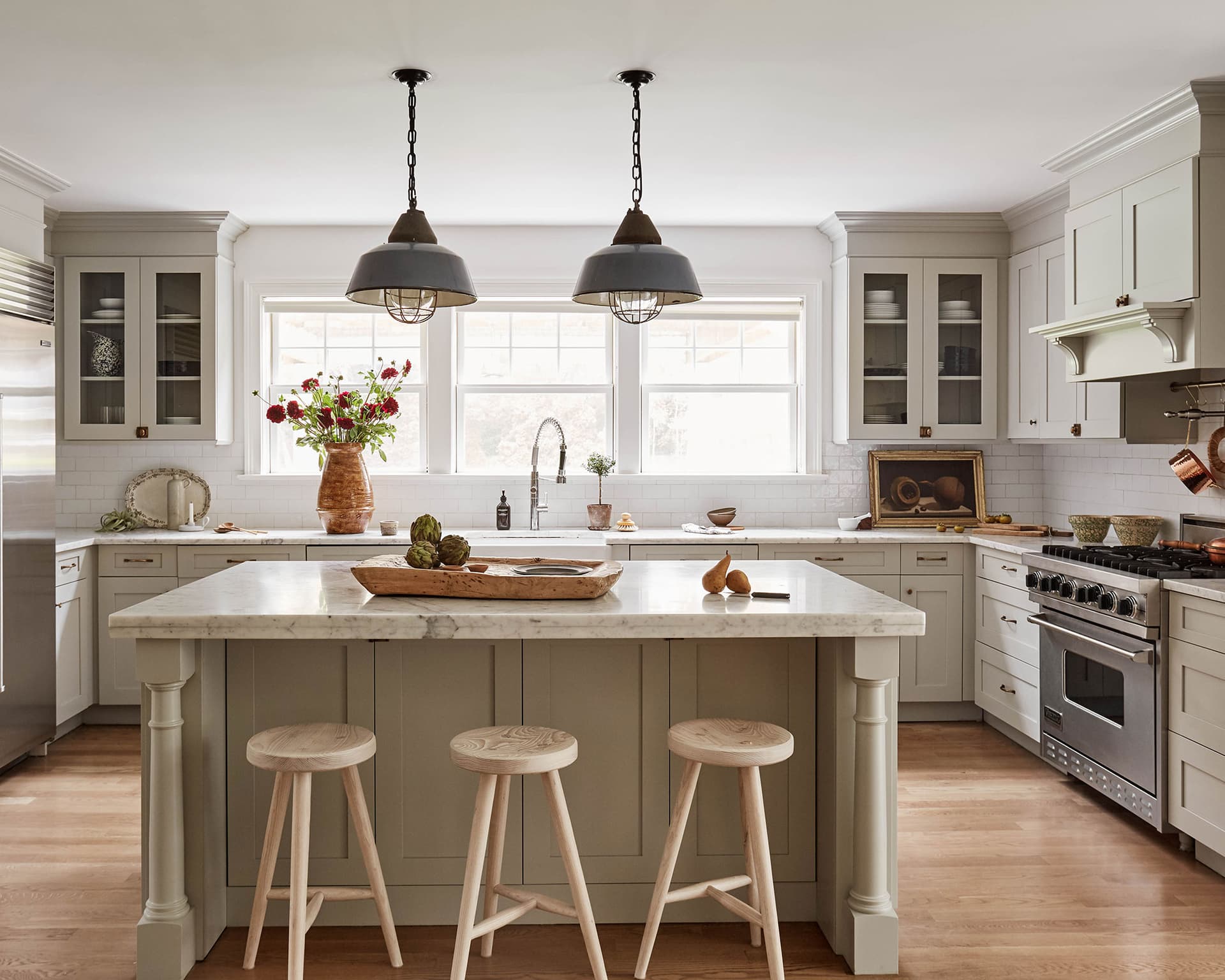
There is a particular kind of ease that comes with a home that looks like it has always been there, like it accumulated its beauty slowly, through summers spent near the water and decades of knowing exactly what you love. That is the soul of coastal grandmother style, an aesthetic that has moved well beyond its internet-trend origins to become one of the most genuinely covetable approaches to interior design in recent memory.
Where It Comes From
The coastal grandmother aesthetic did not emerge from a design studio or a luxury brand's lookbook. It grew organically, shaped by a collective longing for spaces that feel inherited rather than assembled. The reference point is instinctively understood: think of the kind of home that has been in a family for generations, situated somewhere with salt air and good light, filled with things that were chosen for love rather than resale value. Homes & Gardens has documented the aesthetic in depth, tracing its layered sensibility and explaining why it resonates so strongly with people who are tired of interiors that look curated to the point of sterility.
The "grandmother" in the name is not a slight; it is the entire point. It signals a specific kind of accumulated wisdom about comfort, about what a room needs to feel genuinely welcoming rather than merely impressive.
The Layered Foundation
Layering is the defining technical principle of this aesthetic, and it operates on every level of a room. Textiles are the most immediate expression of it: linen slipcovers over softer upholstery, cotton throws folded over the arm of a chair that has been sat in so often it has shaped itself to the people who use it, woven rugs placed over bare wood floors that show their age without apology. Nothing is precious. Nothing is untouchable.
The palette that underpins all of this layering is drawn directly from the coastline: bleached whites, sandy taupes, the particular blue-grey of sea glass, dusty sage, and the warm cream of aged linen. These are not bold colors. They are colors that have been washed out by sun and softened by years, and they work because they recede and let the layers of texture do the visual work.
The Objects That Matter
A coastal grandmother interior is legible through its objects as much as its color story. Ceramics with an imperfect, handmade quality. Baskets in natural seagrass or rattan. Glass in every shade of ocean green and blue, whether antique bottles collected from flea markets or proper vintage barware on an open shelf. Books, always books, stacked horizontally and vertically with the kind of cheerful disorder that signals they are actually read.
Furniture tends toward the comfortable and the slightly worn. A slipcovered sofa in washed linen. Cane-backed chairs. A weathered dining table that does not require coasters. The pieces do not match in the way a showroom might match them; they coordinate in the looser, more convincing way of things that have been gathered over time. That sense of accumulation is not something you can buy in a single shopping session, which is part of what makes the aesthetic feel so authentic when it is done well.
Natural Materials as a Non-Negotiable
If there is one rule that holds across every interpretation of this aesthetic, it is the commitment to natural materials. Wood, linen, cotton, jute, rattan, stone, and ceramic are the materials of the coastal grandmother interior. Synthetics, high-gloss finishes, and anything that reads as overtly contemporary tend to break the spell immediately.
This commitment is both aesthetic and atmospheric. Natural materials age in ways that synthetic ones do not; they absorb light differently, they develop patina, they make a room feel inhabited rather than staged. A jute rug will fray slightly at the edges after a few years. A linen slipcover will wrinkle. A wooden side table will acquire small marks and rings. In a coastal grandmother interior, these are features, not problems.
Light and the Way a Room Breathes
Light is treated with the same care as texture. The coastal grandmother home tends toward sheer curtains or no curtains at all, with the assumption that if you have managed to find yourself near the water, you want to see it and feel it as much as possible. Where privacy demands some coverage, the solution is always something that filters rather than blocks: gauzy linen panels, wooden shutters, woven blinds that cast interesting shadows in afternoon sun.
The rooms breathe. They do not feel crowded or overstuffed, even when they contain a great many things. Part of this is the palette, which creates visual cohesion across different objects and textures. Part of it is the quality of the objects themselves, which tend to be honest about what they are rather than straining toward grandeur.
Getting It Right Without Getting It Wrong
The version of this aesthetic that falls flat is the one that tips into self-conscious shabbiness, where everything looks intentionally distressed and the whole effect reads as a performance of casualness rather than the real thing. The coastal grandmother look works when it feels genuinely lived-in, which means starting with pieces you actually love and building from there rather than sourcing an entire room at once.
A few principles worth keeping:
- Prioritize texture over color. If you get the layering of linen, cotton, wood, and natural fiber right, the palette will follow naturally.
- Mix periods and provenances. A Victorian rattan chair next to a contemporary ceramic lamp is far more interesting than a room where everything was made in the same decade.
- Leave space for imperfection. The goal is not a perfect room; it is a room that feels like a life is being lived in it.
- Edit the synthetics. One plastic or high-gloss piece can undercut an entire room's atmosphere.
The coastal grandmother aesthetic endures because it is not really about following a trend; it is about building a home that feels like it belongs to someone, somewhere specific, shaped by proximity to something as particular and unglamorous and beautiful as the sea.
Know something we missed? Have a correction or additional information?
Submit a Tip