Cotton dresses are summer’s easy answer for coastal grandmother style
Cotton dresses are the summer 2026 buy that actually works: polished enough for dinner, breathable enough for heat, and far less fussy than linen.
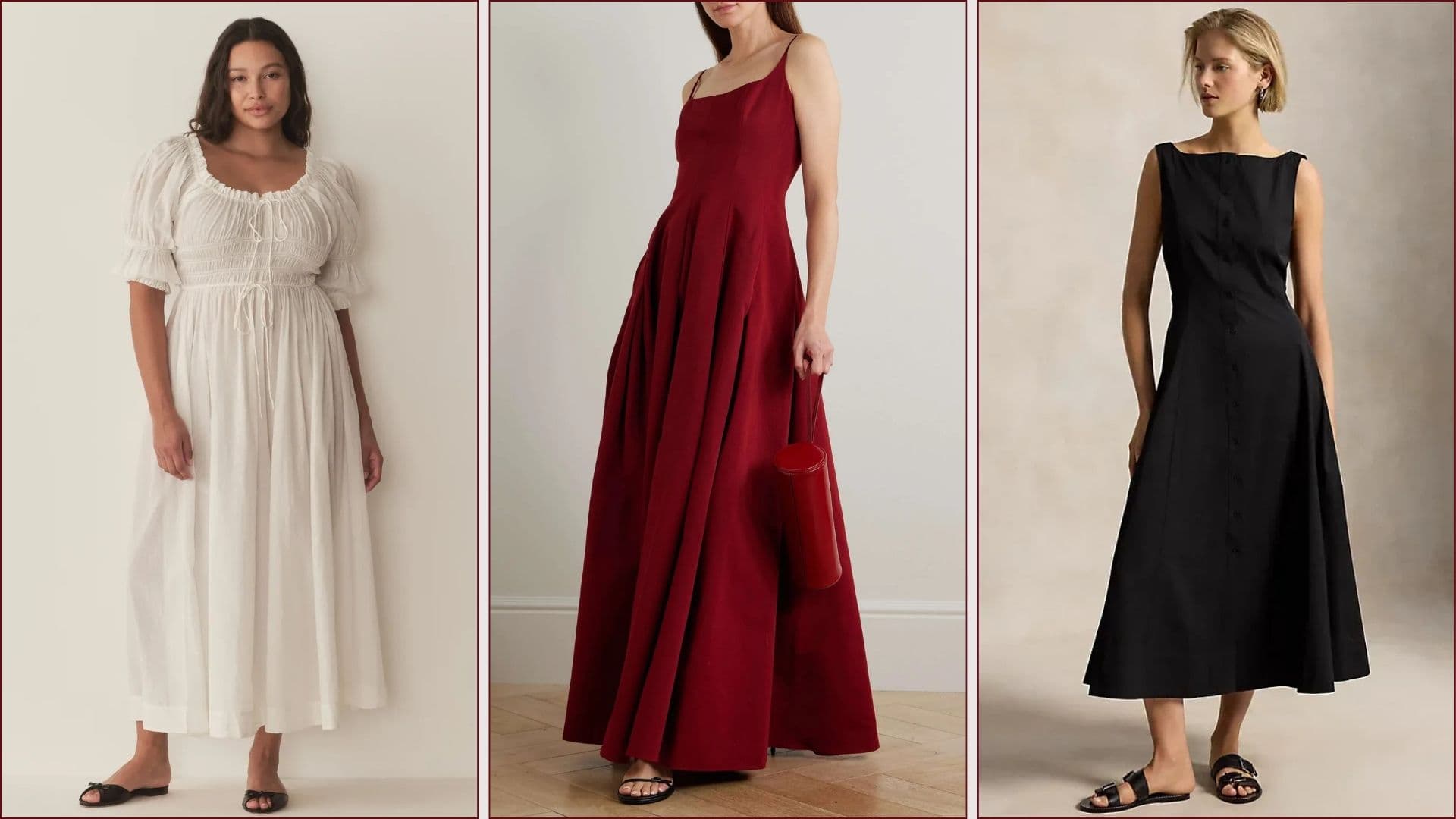
Why cotton is the dress that earns its keep
Cotton is having the kind of summer moment that makes sense the second you step outside. It looks cleaner than linen, wears easier than a fussy blend, and gives coastal grandmother style the polish it needs without turning the whole thing into costume. The best versions feel relaxed, but not sloppy, which is exactly why cotton is showing up as a practical wardrobe investment instead of just another seasonal basic.
Who What Wear is treating cotton that way now, framing it as a versatile, polished summer fabric and a low-maintenance alternative to linen. That matters because the mood around warm-weather dressing has shifted toward pieces that do real work: breathable enough for heat, sharp enough to pass for intentional, and easy enough to repeat all week without looking overthought.
The coastal grandmother look was never just about a mood board
The whole aesthetic took off on TikTok in spring 2022, when Lex Nicoleta coined coastal grandmother to describe a beachy, romantic lifestyle tied to coastal living and homemaking. The reference points were never random. Nancy Meyers, Martha Stewart, and Ina Garten all sit inside the same visual universe of crisp kitchens, salt-air weekends, and clothes that look better near a window than under a ring light.

Martha Stewart also helped give the label its odd little tension. She said in 2022 that she did not fully identify with coastal grandmother, even as the internet was busy casting her as its unofficial face. That mismatch is part of why the trend stuck. It is aspirational, but it also feels lived-in, which is why cotton dresses fit so neatly inside it. They read like something you actually throw on for a market run, then keep on for oysters at sunset.
Why cotton feels cooler, and why that matters when the weather gets rude
The appeal is not only aesthetic. Cotton and linen are highly hydrophilic, which means they absorb moisture and help disperse it so evaporation happens more easily. In plain English, that is why a cotton dress can feel like the sensible answer when the humidity starts acting up. The fabric wants to breathe, and your body gets the benefit.
But cotton is not magic. The same natural properties that make it feel comfortable can also mean it wrinkles quickly and can turn heavy or damp on very hot, sweaty days. That is the tradeoff, and it is exactly why the smartest cotton dresses are the ones that balance softness with structure. You want shape, not stiffness. You want movement, not cling. You want something that can handle a city sidewalk at noon and still look composed at dinner by the water.
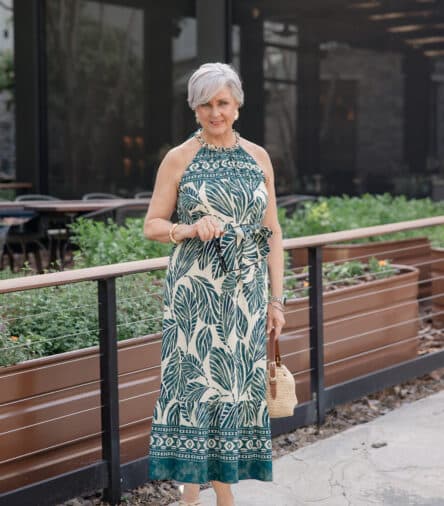
The 2026 version is polished, not precious
The current summer conversation is not about chasing one perfect sundress. It is about 100% cotton pieces, including airy cotton dresses and easy skirts, that slot into a broader push toward natural, lightweight fabrics. That is the telling part. The trend is not just about looking breezy. It is about wanting clothes that behave well in heat and still look elevated enough to wear outside a very specific vacation window.
Who What Wear’s 2026 cotton-dress edit makes the point cleanly: polished dressers know a cotton dress is as versatile as linen and can look even chicer. That is the part people keep missing when they treat coastal grandmother like shorthand for beige linen and wicker everything. The stronger version of the look is more exacting than that. It is soft color, clean lines, and a fabric with enough body to feel deliberate.
- crisp cotton poplin that holds a shape
- midi lengths that work with flats in the day and sandals at night
- simple button fronts that feel easy, not costume-y
- relaxed sleeves and subtle volume that keep air moving
- palettes in sand, shell, oat, cream, and washed blue that nod to the coast without shouting about it
For the most wearable versions, look for:
That palette matters because coastal grandmother style has always been about restraint. It likes the same visual language as linen, polos, and nautical staples, but cotton dresses are the piece that make the whole thing feel immediate rather than referential. They anchor the outfit. They do not need much else.
Why the fabric conversation has gotten more serious
There is also a reason the fashion crowd is thinking harder about fabric itself. Cotton Incorporated points out that cotton’s natural absorbency can be a downside in performance apparel, which is why moisture-management technologies like TransDRY were developed to combine cotton comfort with faster-wicking behavior. That detail tells you a lot about where style is headed: people want the feel of natural fibers, but they want them to work harder.
That is the real story behind the cotton dress boom. It is not nostalgia for a certain kind of seaside lady life, though that is part of the charm. It is a practical response to summer dressing that has gotten too complicated, too synthetic, and too eager to promise polish without delivering comfort. Cotton is winning because it does both. It gives you the calm, collected look of coastal grandmother style, but it also handles errands, heat, and repeat wear like a grown-up wardrobe should.
This article was produced by Prism’s automated news system from verified source data, official records, and press releases, then run through automated quality and moderation checks before publishing. The system is built and supervised by the people who set the standards it runs under. Read our full AI policy.
Did this article answer your question?