Culottes Are the Smartest Warm-Weather Swap for Coastal Grandmother Workwear
Culottes are the coastal-grandmother fix for warm-weather workwear: polished like trousers, easy like linen, and built for office days that end at the ferry.
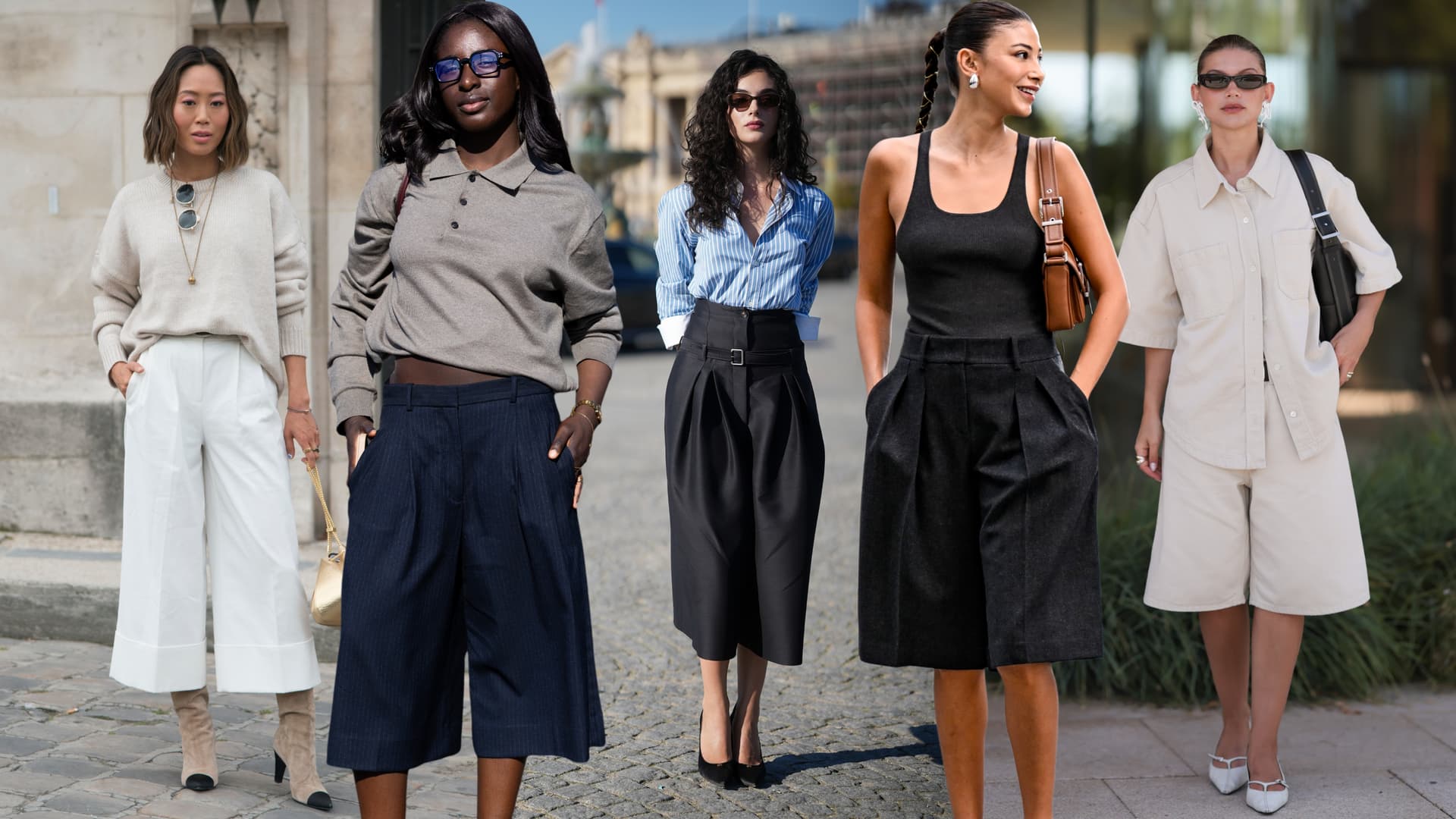
The Manhattan-to-Hamptons dress code has found its sharpest warm-weather swap: culottes. They give you the polish of trousers without the cling, the airiness of shorts without the slump, and enough structure to carry a workday, a flight, or a grocery run without looking like you gave up.
Why culottes suddenly look so right
Marie Claire made the case plainly in April 2026, calling culottes the season’s smartest warm-weather workwear move because they sit in that sweet spot between trousers and shorts. That middle ground is exactly why they feel useful now. In a market where 46% of executives surveyed by McKinsey expect conditions to worsen in 2026, fashion is leaning harder into pieces that do more than one job. Culottes answer that mood with something practical, not precious.
The appeal is obvious once you put them on. They move like air, but they still read as tailored. They do not fight with sandals, they do not overheat like full-length wool, and they make a white shirt look finished instead of stiff. For anyone building a relaxed-luxury wardrobe, that is the whole point.
The runway case was strong, and strangely sensible
Spring 2026 did not treat culottes like a stunt. Fforme showed flat-front culottes with ribbed T-shirts and wide-collar trench coats, which gave the silhouette a clean, transeasonal edge. That pairing matters because it shows how culottes work outside the fantasy of a runway moment. They can handle layers, and they can handle a chill morning or an over-air-conditioned office.
Max Mara went the opposite route and kept the look disciplined, styling culottes with matching blazers. That is the move if you want the volume of the leg without losing the authority of a suit. Celine pushed them into a cherry-red shirt look, which gave the whole idea a little color shock without wrecking the polish. Together, those three reads make the same point: culottes are not trying to be the statement. They are trying to make the rest of your wardrobe look smarter.
Frances Howie’s Fforme collection carries extra weight here. Fashionista noted that it was her second runway collection after taking over as creative director the year before, and that context matters. This is not a designer chasing novelty for its own sake. It is someone building a sharp, wearable uniform piece by piece, and culottes fit that brief perfectly.
How coastal grandmother actually wears them now
The Cut defines coastal grandmother style as “caftan energy, loose linens, neutral colors, and affluence,” and that is still the cleanest shorthand for the look. Add Nancy Meyers to the mix and you get the full picture: a beach-house wardrobe that feels aspirational, unfussy, and quietly expensive. Culottes slot right into that world because they carry the same ease as a caftan, but with more city polish.
The best versions lean into fabrics that breathe and hold shape. Think crisp cotton, washed linen, fluid suiting, or a linen blend with enough body to skim rather than collapse. Color should stay in the soft zone, sea-salt white, oat, sand, putty, stone, muted navy, with the occasional saturated accent if you want to echo that Celine cherry-red energy.
For the office
Pair culottes with a crisp button-down and a structured tote, and you get the warm-weather version of a power uniform. The shirt should be sharp enough to counter the volume in the leg, while the tote keeps the whole thing from drifting too casual. Fisherman sandals finish the look in a way that feels coastal, not costume-y.
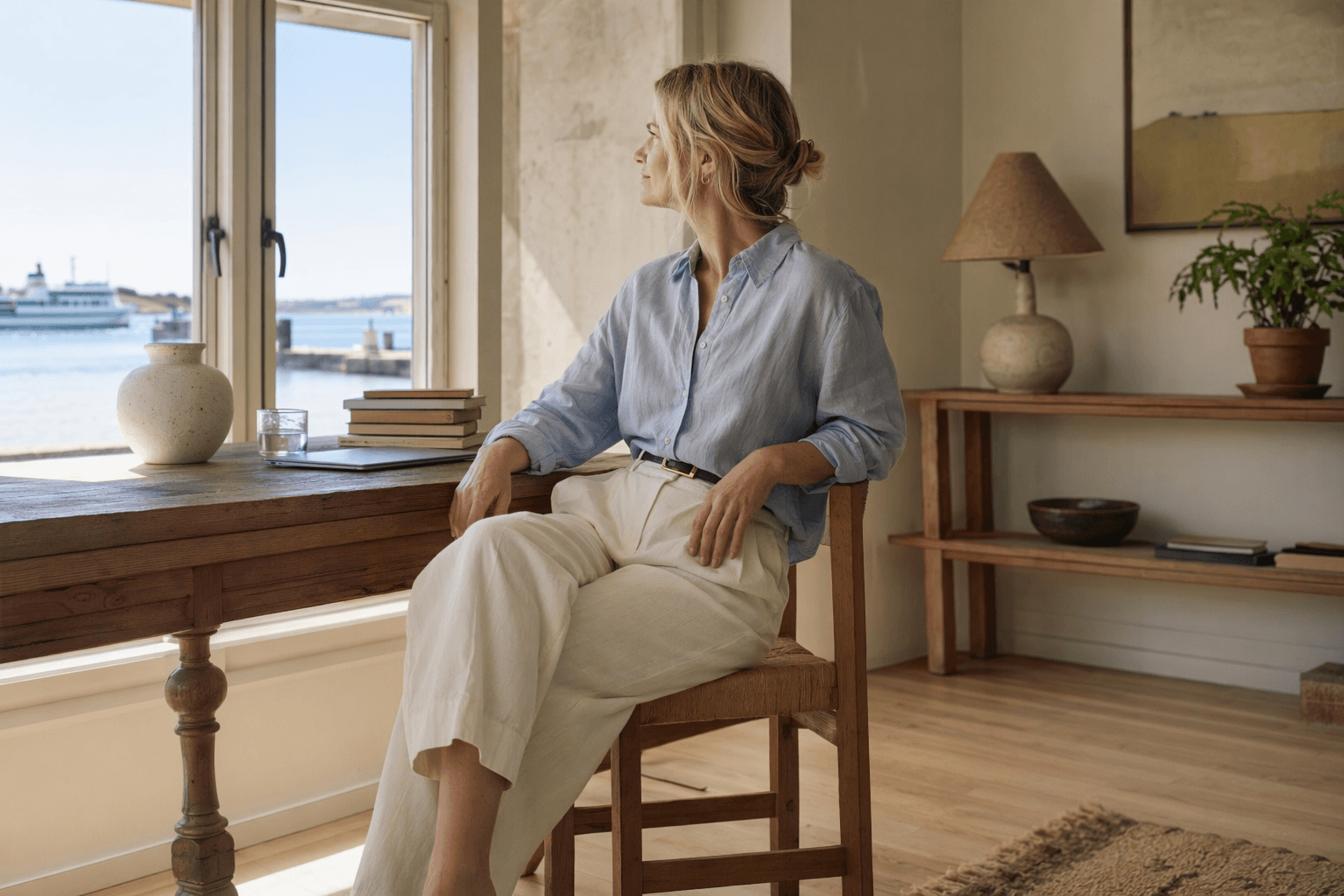
If your office leans more traditional, choose culottes with a flat front and enough drape to mimic a trouser at first glance. That silhouette reads intentional, which is the difference between looking styled and looking like you are testing a trend.
For travel days
This is where culottes start earning their keep. They let you sit, walk, and rush through a terminal without the sticky discomfort of fitted pants, and they still look considered when you get off the plane. A lightweight knit tucked in or half-tucked gives you polish without requiring a blazer, and a trench coat, especially in a light neutral, keeps the look moving with you.
The trick is to avoid anything too slouchy on top. Culottes already bring volume; the top should restore line. A neat sweater, a thin cardigan, or a ribbed tee keeps the proportions clean and makes the whole outfit feel deliberate.
For errands and weekends
The easy coastal-grandmother version is a soft knit, flat sandals, and sunglasses that look borrowed from a better house. That is where culottes stop reading like workwear and start behaving like a real-life staple. They are loose enough for long days, but structured enough that you still look like you meant to get dressed.
This is also the sweet spot for color. Cream culottes with a heather-gray cardigan feel calm. Navy culottes with a white tank and a tan fisherman sandal feel sharper. If you want a little more personality, borrow Celine’s instinct and let one bright piece do the talking, then keep everything else quiet.
Why the silhouette has real history, not just trend-cycle energy
Culottes are not some new fashion invention trying to earn legitimacy. The Metropolitan Museum of Art documents bifurcated garments in 19th- and early-20th-century fashion, including a Callot Soeurs evening dress linked to Rita de Acosta Lydig. The museum’s cycling-suit examples go even further, showing how bifurcated clothing let women move more freely and gave them a more modest-looking alternative to trousers.
That history is why culottes feel surprisingly modern now. They solve the same problem they always have: how to give the body freedom without losing polish. The shape has always been about motion, and that is exactly what makes it useful in a life that moves from Midtown meetings to downtown lunch to a Friday departure.
The bottom line
Culottes work because they are not trying to reinvent dressing. They quietly fix it. In a season shaped by practical runway clothes, slower growth, and a stronger appetite for versatility, they hit the exact nerve that coastal grandmother style lives on: ease with manners, comfort with structure, and enough elegance to carry you from office air-conditioning to late-afternoon sun without changing once.
This article was produced by Prism’s automated news system from verified source data, official records, and press releases, then run through automated quality and moderation checks before publishing. The system is built and supervised by the people who set the standards it runs under. Read our full AI policy.
Did this article answer your question?