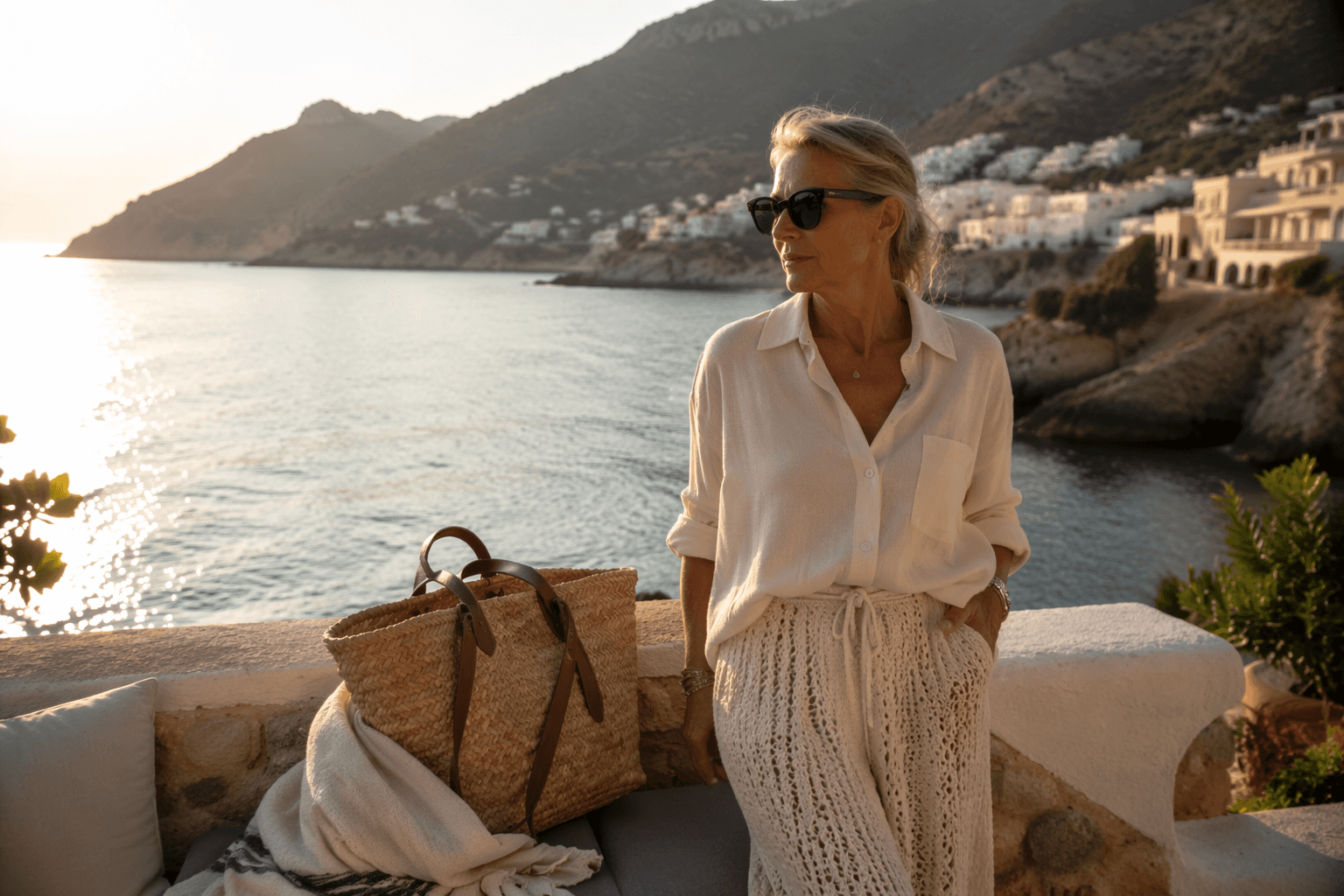
Gen Z updates coastal grandmother style with fringe, lace and polished separates
Gen Z is keeping coastal grandmother, but sharpening it with fringe, lace and cleaner separates. The new version is breezy enough for the beach and polished enough for work.

Coastal grandmother gets a summer 2026 refresh
The coastal grandmother wardrobe has not disappeared, it has gotten better dressed. For summer 2026, the Gen Z version keeps the parts that already worked, matching sets, polished skirts with flats, breezy coastal dressing, and a disciplined, neutral palette, then slips in fringe, lace, and sheer touches that make the whole look feel lighter and more lived-in. That is the appeal of the current crop of outfits: they have seaside ease, but they still read like clothes you would actually wear to dinner, to work, or on a long weekend in Carmel.
The strongest version of the trend is not costume-y and it is not sugary. It has the runway gravity of sandy hues and draped silhouettes, the kind of clothes that feel anchored in style rather than themed around it. That is why the story matters now: the look has moved from internet shorthand into a real shopping language, one that can be translated through labels such as Zimmermann, Proenza Schouler, Cara Cara, Posse, and Christopher Esber without losing its softness.
What Gen Z is actually keeping
The coastal grandmother codes that survive are the ones that feel practical first. Linen still matters, as do wide-leg trousers, soft knits, muted palettes, and accessories that stay minimal but intentional. Those are the pieces that keep the look from sliding into nostalgia. They also explain why polished skirt-and-flat combinations are having such a strong run: the silhouette is feminine without being fussy, and it works in a city as easily as it does on vacation.
The best part is how wearable this has become. A matching set in a sandy neutral can look pulled-together in the morning and relaxed by sunset. A skirt with a flat sandal or slim leather flat gives the outfit a clean line, which is exactly what keeps the trend from feeling overworked. Gen Z is not rejecting the old coastal grandmother formula. It is stripping away the excess and keeping the easy, intelligent bones.
Why fringe and lace are the update
If the classic version of coastal grandmother was all about calm, the 2026 version wants movement. London Boscamp, one of the stylish Gen Z dressers shaping the conversation, said she is especially into fringe and lace because they add movement without feeling overdone. That is the key distinction: the new details should flutter, sway, or catch the light, not overwhelm the outfit.
Fringe works best when it is used sparingly, along a hem, on a bag, or as a trim that breaks up a clean silhouette. Lace has a similar effect when it appears as an insert, a sleeve detail, or a sheer layer under something tailored. Transparent fabrics push the look further into summer territory, but the polish has to stay intact. The goal is not to make the outfit louder. It is to give the clothes a little air.
The silhouette formula that feels current
The easiest way to wear the trend is to think in contrasts: something fluid with something crisp, something soft with something structured. That is where the polished separate comes in. A draped top with a straight skirt, a sheer blouse with tailored trousers, or a matching set worn with a flat instead of a heel all capture the mood without trying too hard.
- Choose breathable fabrics first, especially linen and light cotton blends.
- Keep the palette near sea salt, stone, ivory, and warm sand.
- Let one detail move, fringe, lace, or a sheer layer, while the rest stays clean.
- Pair skirts with flats when you want the look to feel modern rather than precious.
- Reach for draping before embellishment if you want the outfit to feel expensive and effortless.
That formula is what gives the trend its staying power. It is polished, but not rigid. It suggests a wardrobe built for actual movement, from office to ferry to dinner, which is exactly why it lands with such force right now.
Why this version reads as more than nostalgia
Coastal grandmother was always bigger than fashion. Lex Nicoleta helped popularize the term on TikTok in 2022, tying it to Nancy Meyers-inspired coastal living, and the phrase quickly traveled from clothing into interiors and lifestyle. That history matters because it explains why the current version feels familiar but not stale. People already know the language, so the update has to come from silhouette and styling, not from renaming the mood.
That is also where Marie Claire’s broader Gen Z fashion read comes into focus. The generation is moving toward fluid self-expression and functional dressing, which is exactly the sweet spot coastal dressing now occupies. It is personal without being random. It can shift depending on mood, context, or community, which is why the same wardrobe can handle a café in Monticeto, a workday in the city, or a beach weekend without feeling out of character.
Where brands should place their bets
Retailers should pay attention to the pieces that do the most stylistic work with the least effort. Matching sets, polished skirts, airy trousers, and understated dresses with one expressive detail are the categories that feel most ready for next season. The labels already in the mix, from Zimmermann and Proenza Schouler to Cara Cara, Posse, and Christopher Esber, point to where the market is headed: vacation-minded clothes with enough structure to live beyond the trip.
The smartest buys are the ones that can move from beach to café, from desk to dinner, and still feel chic in the middle. That is the real summer 2026 update to coastal grandmother, not a costume, not a throwback, but a sharper coastal uniform built for how people actually dress now.
This article was produced by Prism’s automated news system from verified source data, official records, and press releases, then run through automated quality and moderation checks before publishing. The system is built and supervised by the people who set the standards it runs under. Read our full AI policy.
Did this article answer your question?