How Coastal Grandmother Aesthetic Guides Window Treatments and Soft Furnishings
Bring the coastal grandmother look indoors with washed‑linen sheers, sun‑softening roller fabrics, muted stripes, and seagrass tones, and don’t forget function: light, privacy, and humidity resilience.
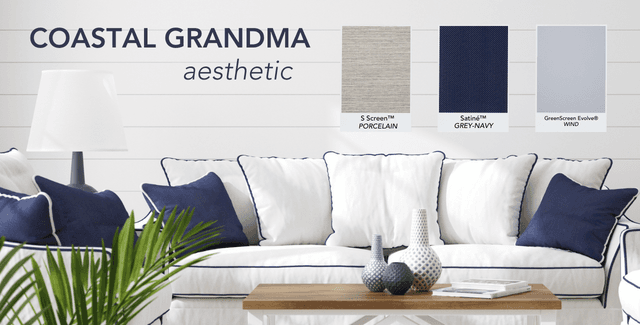
Walk into any room dressed like a coastal grandmother and you can practically smell salt and lemon oil. The aesthetic isn’t about seashell tchotchkes; it’s quiet, curated comfort. Window treatments and soft furnishings are the secret language here, soft-filtering linens, clean roller fabrics, and a palette of seagrass-tinted neutrals do the heavy lifting. Below, I break the look down into actionable pieces so you can actually live in it, not just photograph it.
1. Washed‑linen sheers
Washed‑linen sheers are the cornerstone: they diffuse sunlight into a pale, buttery glow and wrinkle into the lived-in texture that coastal grandmother style demands. Use floor‑to‑ceiling panels in a relaxed hang to emphasize height; the slightly slubby weave reads casual and expensive at once. Pick linen with a medium weight so the fabric moves with a draft but still offers a soft visual barrier, think of sunlight that feels like it’s been filtered through a museum skylight, not blasted in. For styling, layer them behind heavier curtains or pair them with a simple wooden rod to keep the look warm, not austere.
2. Sun‑softening roller fabrics
Sun‑softening roller fabrics are the workhorse for rooms where glare matters, kitchens, breakfast nooks, and west‑facing living rooms. These fabrics reduce harsh midday light while preserving a view and the airy silhouette that coastal grandmother interiors rely on. Choose neutral weaves with a matte finish so the shade reads like an architectural plane rather than a techy blackout. Install them inside the window casement for a tidy, modern profile, or mount them higher and let the fabric drop to the sill for a softer, more relaxed line.
3. Muted stripes
Muted stripes are the pattern language of the aesthetic: think soft, watercolor‑washed bands rather than graphic nautical bars. Use stripes sparingly, one set of Roman shades, a lumbar pillow, or an ottoman, to anchor the room without turning it into a seaside cottage parody. Keep the palette low‑contrast (pale oyster with driftwood gray, or washed seafoam against ecru) so the stripes read as texture from a distance and as pattern up close. Stripes pair perfectly with washed linen sheers and sun‑softening roller fabrics; the three together create that layered, credible coastal narrative.
4. Seagrass tones for a coastal palette
Seagrass tones, dry green, sandy beige, sun‑bleached tan, are the chromatic spine of this style. Use them across rugs, upholstery, and window trims to create a cohesive backdrop that nods to dunes and marshland rather than literal ocean blue. A seagrass‑tone rug or a pair of woven shades stabilizes the room and lets accent pieces (a sea‑foam throw or an oyster‑colored cushion) sing quietly. Aim for a palette range rather than a single swatch: mix a warm sand, a cooler driftwood gray, and a muted green to capture the complexity of windswept coastal landscapes.
5. Soft furnishings that echo the windows
Soft furnishings, throws, cushions, slipcovers, and rugs, should converse with your treatments, not compete. Match the hand of your linen sheers with cotton‑linen blend throws and lightly textured cushions; contrast the smoothness of roller fabrics with a low‑pile sisal or seagrass rug. Scale matters: large floor rugs in neutral seagrass tones ground the room, midsize cushions show off muted stripes, and small throws add that lived‑in, tea‑stained comfort. Keep upholstery patterns restrained; this aesthetic is about calm repetition rather than visual noise.

6. Function: light control, privacy, and coastal durability
Function is not optional, coastal rooms face harsh sun, humidity, and the need for privacy without heaviness. Use washed‑linen sheers for daytime diffusion, roller fabrics for glare reduction, and reserve heavier lined drapes only for bedrooms where blackout is necessary. Select fabrics with fade resistance and mildew tolerance when possible; coastal exposure accelerates wear, and materials that shrug off sun and salt will keep the look intact for years. Hardware should be corrosion‑resistant, brass and stainless finishes patina well but pick coatings meant for humid air so your rods don’t seize or rust.
7. Layering strategy and placement
Layer intentionally: sheer first, roller second, and a heavier side panel last if needed. This sequence lets light be sculpted at different times of day, sheers for morning warmth, rollers for midday glare, and panels for evening privacy. Placement affects perception: hang rods high and wide to make windows read larger; let sheers puddle a hair on the floor if you want that elegant, relaxed feel. For small windows, choose a single treatment, roller or Roman, in a muted stripe or seagrass tone to avoid visual clutter.
8. Texture mixing and tactile details
Texture is the real luxury here. Pair the crispness of sun‑softening roller fabrics with the tactile pull of washed linen and the coarse calm of natural woven rugs. Include small, tactile accents: a hand‑knit cotton throw, a linen‑wrapped cushion, or a rope‑trim pillow that nods to nautical without being kitsch. These tactile contrasts make a coastal grandmother interior feel curated rather than curated‑by-algorithm.
9. Practical maintenance and longevity
Living the coastal grandmother life means choosing pieces that improve with use. Washed linen loves sunlight and soft soap; roller fabrics should be removable or wipeable. Opt for upholstery that tolerates spot cleaning and rugs that can be shaken out or professionally deep cleaned. The aesthetic is about slow accumulation and practical beauty, pick materials that won’t betray the look after one summer of beach house traffic.
Wrap it up: The coastal grandmother aesthetic in window treatments and soft furnishings is deceptively specific: washed‑linen sheers, sun‑softening roller fabrics, muted stripes, and seagrass tones create the visual shorthand, while smart functional choices, light control, humidity resistance, and considered hardware, make it livable. Done right, a room dressed in these elements doesn’t scream “trend”; it reads like someone who’s lived well by the shore for decades. Keep it layered, tactile, and quietly curated, the look is comfort with a very good eye.
This article was produced by Prism’s automated news system from verified source data, official records, and press releases, then run through automated quality and moderation checks before publishing. The system is built and supervised by the people who set the standards it runs under. Read our full AI policy.
Did this article answer your question?