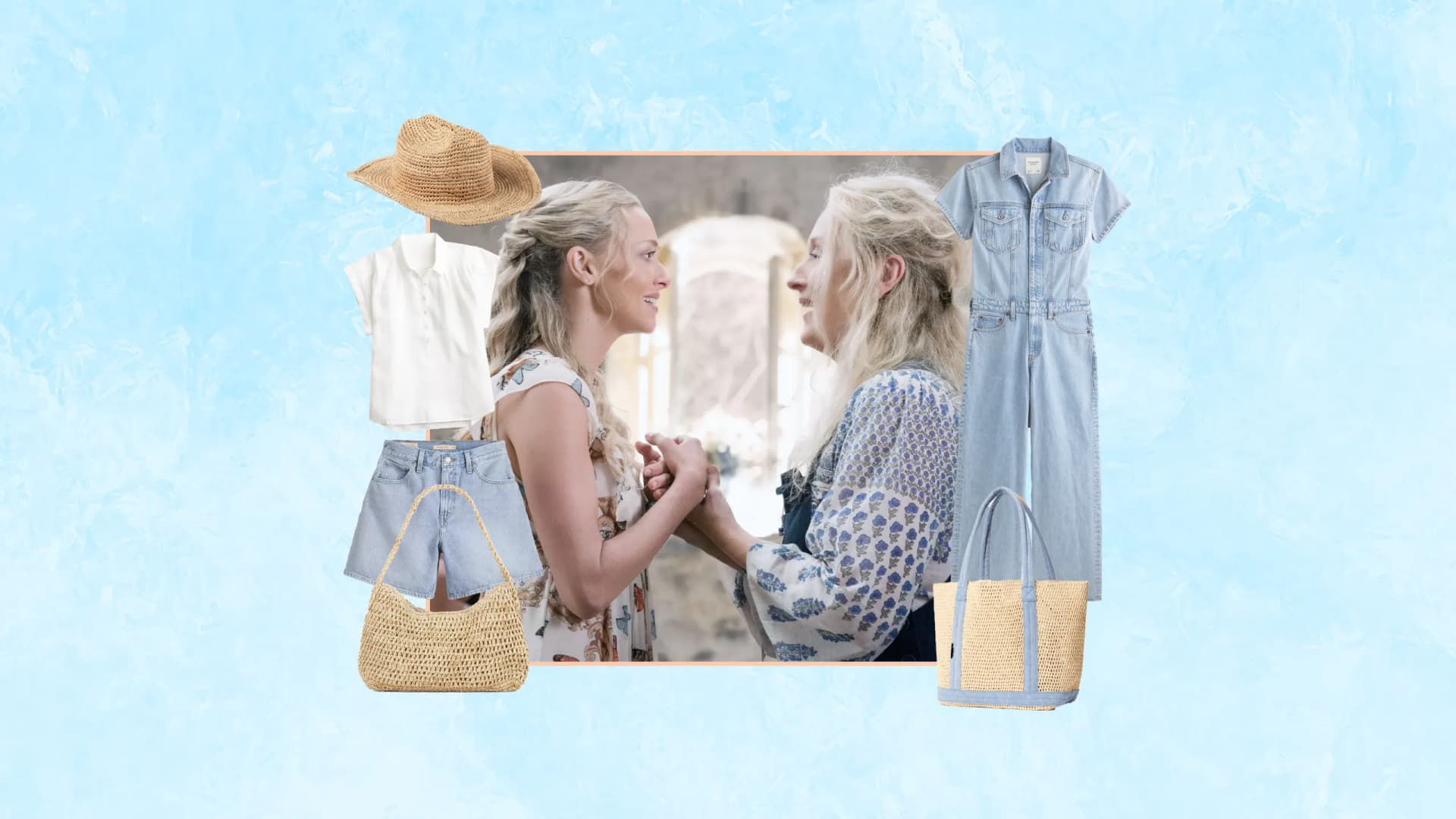
How to wear Coastal Grandmother style beyond summer
Keep the white-trouser formula, then trade summer linen for cashmere, cotton poplin, loafers, and barn jackets. Coastal Grandmother works hardest when the fabric changes and the silhouette does not.
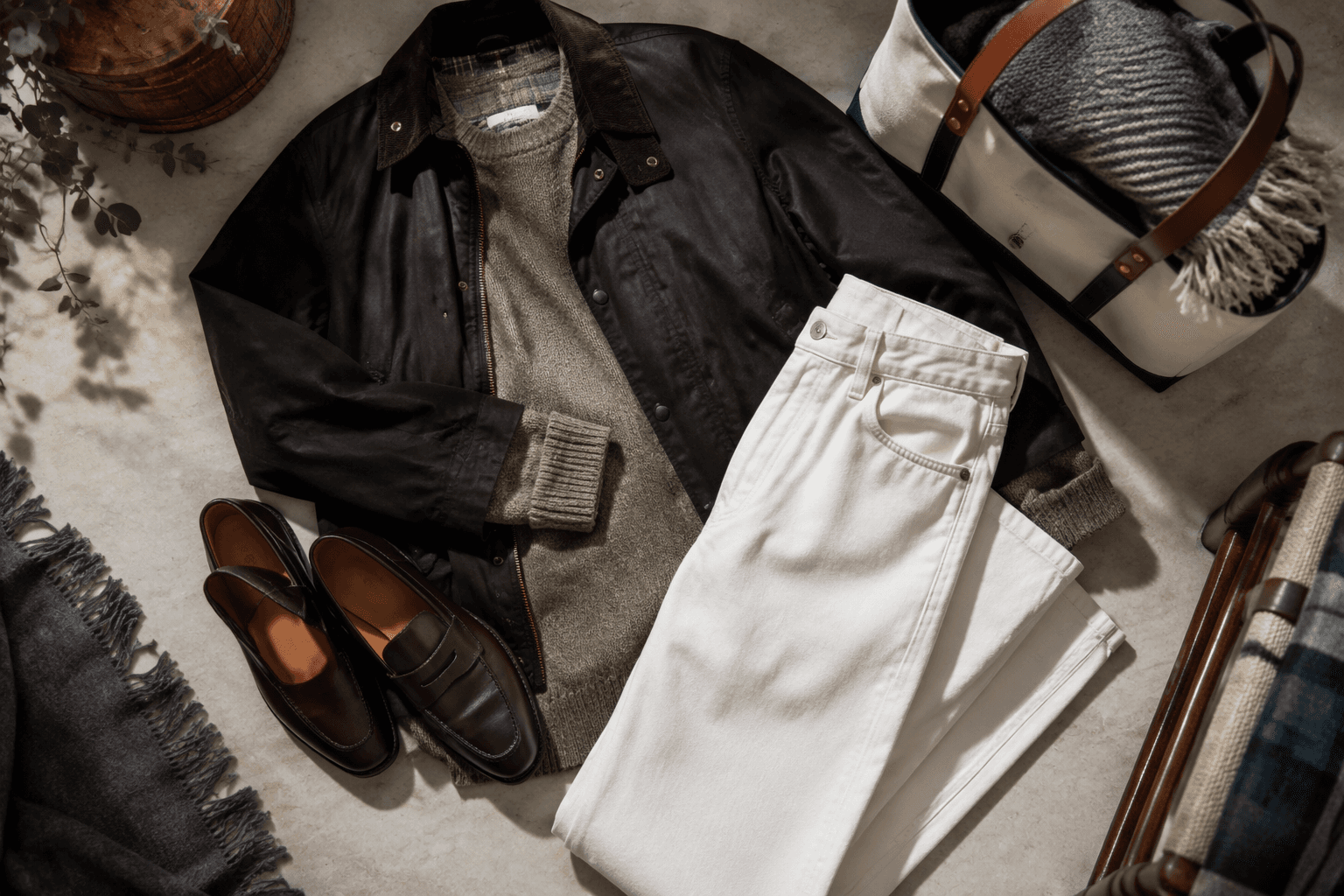
The easiest way to wear Coastal Grandmother after summer is to stop treating it like a beach-house costume. Keep the core formula, white trousers, a restrained palette, relaxed lines, and that slightly expensive-looking ease, then change the fabric weight when the weather turns. The silhouette stays soft; the materials do the seasonal work.
The formula still starts in white
Coastal Grandmother got fixed in the culture fast because the references were so legible: NPR tied the phrase to Diane Keaton, Ina Garten recipes, and a cashmere sweater draped over the shoulders, while the Associated Press image set it against Nancy Meyers movies, Ina Garten’s kitchen, oversize cable-knit sweaters, and a quality, timeless trench. The phrase was coined by Lex Nicoleta, a 26-year-old TikTok creator, and mainstream coverage in spring and summer 2022 made it clear this was no joke aesthetic, it was a shopping language.
That’s why the style works beyond July. The look is not built on one hero item, like a giant tote or a novelty sandal. It’s built on proportion and restraint: white trousers, a linen shirt, rattan accessories in warm weather, then the same calm shape in heavier cloth once the calendar turns.
Spring: keep the air, add structure
Spring is where Coastal Grandmother stops feeling beachy and starts feeling edited. The trick is to keep the lightness, then tighten the line with crisp cotton shirts and straight-leg pants. J.Crew’s women’s poplin shirts include cotton styles at $89.50 and $148, while Alex Mill’s Jo Shirt in cotton poplin costs $145 and leans into the kind of detail that makes the look read polished, not precious, with French seams and real Troca shell buttons.
This is also the season to treat knitwear as a layer, not a statement. A fine sweater over a shirt, or tied loosely when the morning is cold, keeps the softness that made the trend click in the first place. You want the outfit to look like it could shed a layer by lunch, not like it needs a complete reset.
Summer: let the original formula breathe
Summer is still the most literal version of the look, and that’s fine. Linen, sandals, and woven accessories are the shorthand because they keep the silhouette loose and the palette quiet. The original white-trouser-and-linen-shirt formula works here without much translation, and the rattan details do exactly what they’re supposed to do, which is give texture without turning the outfit into a theme.
The mistake is overworking it. Coastal Grandmother in warm weather should look collected, not costumed. The best version feels like the clothes were chosen because they move well in heat and still look neat when the sun drops.
Fall: cashmere takes the wheel
This is where the aesthetic gets useful. Swap the linen shirt for cashmere, brushed cotton, or a crisp poplin shirt under a sweater, then keep the trousers and shoes grounded. J.Crew’s cashmere classic-fit crewneck is $148, with select colors at $79.50, and the brand’s cashmere ribbed sweater-tee is $128, marked down to $64.50. Those prices sit in the sweet spot for a wardrobe piece that can carry you through multiple seasons instead of just one moody outfit photo.
The shoe change matters just as much. Loafers do the heavy lifting because they keep the look polished without making it formal. G.H. Bass’s Weejuns are the reference point, but if you want a concrete shopping number, Byrdie flagged leather black loafers at Revolve for $275, in sizes 5 to 12. That price buys you a shoe that reads deliberate, not dainty, which is exactly what the outfit needs once the temperature drops.
If you want the formula in one sentence: white trousers, cashmere up top, loafers on the ground, and the whole thing still looks like it belongs near the water, even if you are nowhere near it.
Winter: keep the softness, not the stiffness
Winter is where Coastal Grandmother can go wrong if you pile on hard tailoring and lose the ease. The answer is tonal dressing, coat shapes that skim rather than cling, and outerwear that feels practical without going blunt. That’s where barn jackets and quality trenches come in. The AP’s shorthand, “a quality, timeless trench,” fits because it sits in the same lane as the softer, weather-ready layers the look needs.
Ralph Lauren’s quilted barn jacket is $269.99 and uses a lightly filled diamond-quilted construction with water-repellent fabric and corduroy trim. Barbour’s women’s quilted jackets sit around $230 to $250, with a sale price of $199.99 at Nordstrom. Those are real winter-friendly pieces, not costume props, and they solve the biggest cold-weather problem in this trend: staying neat without looking severe.
The best winter version keeps the same white trouser base or shifts into similarly pale neutrals, then adds weight through texture instead of color drama. Cashmere softens the top half, the barn jacket handles the weather, and the loafers or other closed-toe shoes keep the whole outfit from tilting into lounge territory.
Why the look still lands
Coastal Grandmother became mainstream because it already had a usable wardrobe logic. In spring, it is crisp cotton and easy layers. In summer, it is linen, sandals, and woven texture. In fall, it is cashmere and loafers. In winter, it is tonal dressing and weather-ready outerwear, with a trench or barn jacket keeping the silhouette calm.
That is the real reason the style survives the retail switch. The pieces change, but the formula does not, and that repetition is what keeps the whole thing from turning into a one-season internet joke.
This article was produced by Prism’s automated news system from verified source data, official records, and press releases, then run through automated quality and moderation checks before publishing. The system is built and supervised by the people who set the standards it runs under. Read our full AI policy.
Did this article answer your question?