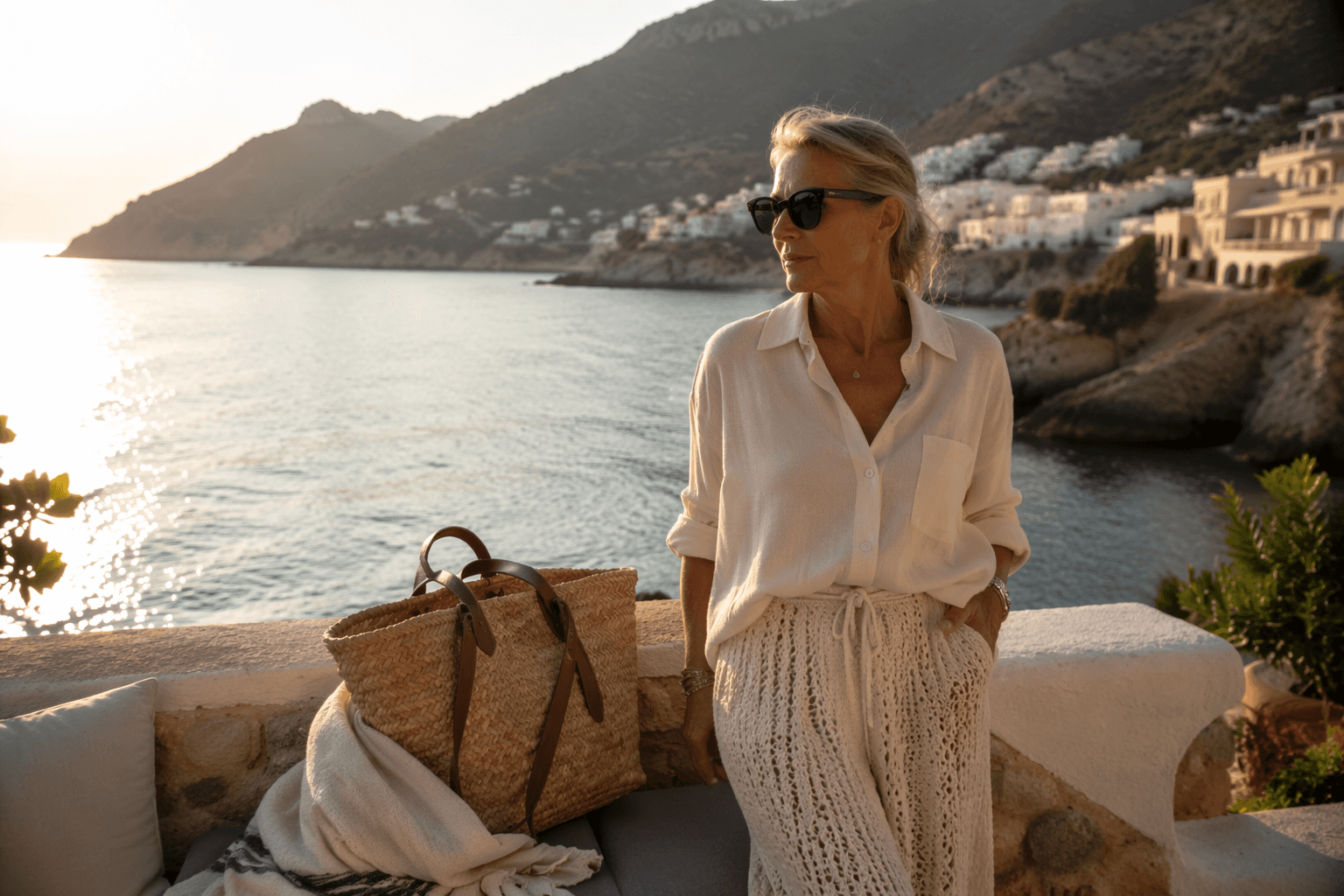
Linen returns for Spring/Summer 2026, powering coastal grandmother style
Linen is back as the fix for overheated wardrobes, and SS26 is leaning hard into breathable tailoring that makes coastal grandmother feel polished, not precious.
Linen is the SS26 correction
Linen is back in force for Spring/Summer 2026, and this time it feels less like a mood board and more like an industry decision. Across luxury, premium, and accessible brands, the fabric keeps showing up in shirts, drawstring trousers, dresses, unstructured jackets, and relaxed tailoring, which tells you everything: the market wants clothes that breathe, drape, and look composed without trying too hard.
That matters because the season is running on a different voltage. Spring/Summer 2026 fashion coverage points to "mindful expression," tactile materials, and a broader backdrop of environmental urgency and a hunger for authenticity and connection. After seasons of louder trend cycles, linen reads like a wardrobe correction, a pivot back to clothes that feel better on skin and make sense when the temperature climbs.
Why linen feels right now
The strongest SS26 reports describe linen as a defining material of the season, especially in resortwear and minimalist summer suits. It is not just appearing as a novelty fabric in a few dreamy looks. It is shaping the core silhouette of the season, from breezy separates to modernized tailoring that looks soft at the shoulders and easy through the leg.
Italian fashion coverage makes the case even harder to ignore. Summer style in Italy has long favored breathable natural fibers, especially linen, cotton, and lightweight silk, and that heritage shows up again now in soft suiting and resort-style dressing. Giorgio Armani still belongs in this conversation because the label’s language of airy tailoring and Mediterranean ease keeps proving that polish does not need stiffness to feel expensive.
The coastal grandmother code, minus the costume
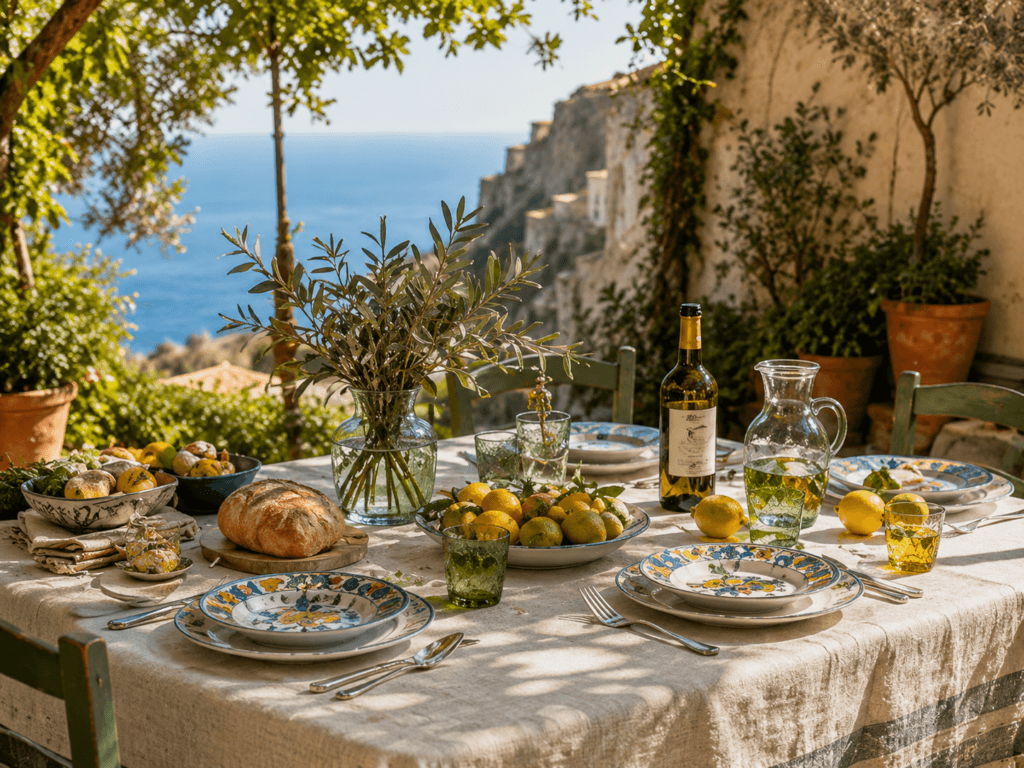
The coastal grandmother aesthetic gives this linen return a shorthand people instantly understand. TikTok creator Lex Nicoleta coined the term in 2022, and it took off fast in the United States because it condensed a very specific fantasy into one clean visual language: linen separates, blue-and-white palettes, cashmere, and that cozy coastal interior energy that feels calm rather than precious.
AP also noted that coastal grandmother helped give rise to "eclectic grandpa," which says a lot about how the look spread. It was never just about beach houses or actual grandmothers. It was about a way of dressing that borrowed from Diane Keaton and Ina Garten, then translated that ease into clothes that could work in real life. The reason it still lands is simple: the aesthetic makes softness look intentional.
The pieces that carry the trend
If you want the look without turning it into a costume, focus on the pieces that do the most work. Linen shirts are the easiest entry point because they sharpen the whole outfit, whether you wear them open over a tank or buttoned with sleeves pushed up. Drawstring trousers do the quiet heavy lifting too, giving you the looseness of resortwear with enough structure to read polished on the street.
Unstructured jackets are the smartest update in the bunch. They pull the fabric out of pure vacation territory and into everyday dressing, especially when they sit over a matching trouser or a simple dress. The same goes for relaxed tailoring: the best versions keep the line clean but let the fabric move, which is exactly what makes linen feel modern instead of nostalgic.

How to wear it without going full themed brunch
The trick is restraint. Linen works best when the palette stays close to stone, sand, ivory, navy, and washed blue, because that is where the coastal-grandmother reference feels elegant instead of theatrical. Match a crisp shirt with drawstring trousers, or throw an unstructured jacket over a column dress and keep the accessories minimal.
- Choose fabrics that look slubby and alive, not shiny or over-pressed.
- Let one piece carry the looseness, then balance it with cleaner lines elsewhere.
- Keep jewelry calm and intentional, not beach-basket maximalist.
- Lean into neutral tones if you want the look to feel current rather than costume-y.
A few styling rules make the difference:
The point is not to mimic a Pinterest board. It is to borrow the ease, the air, and the confidence that comes from clothes that do not fight the weather.
Why the sustainability angle now sticks
Linen’s resurgence also has real credibility on the sustainability side, which is part of why the industry is leaning into it so hard. The Alliance for European Flax-Linen and Hemp has published a landmark environmental footprint guide for the flax sector, and that kind of infrastructure matters because fashion is no longer selling natural fibers on vibe alone. It is selling them as part of a more accountable material story.
OEKO-TEX pushes the same idea from another angle. Its standards are designed to help consumers and brands make responsible decisions and protect natural resources, and its directory gives shoppers a way to look for certified products, brands, and manufacturers. In a season shaped by environmental urgency, that combination of tactile appeal and responsibility is exactly why linen has momentum.
The deeper fashion logic
What makes this revival feel bigger than a fabric trend is that it aligns with how women actually want to dress in summer 2026. The appetite is for clothes that cool the body, simplify the outfit, and still look considered in daylight. Linen does that without shouting. It gives you movement instead of armor, ease instead of over-styling, and a kind of lower-key sophistication that has been missing from too many trend-heavy seasons.
That is why coastal grandmother keeps resurfacing instead of fading out as internet shorthand. It is not nostalgia for nostalgia’s sake. It is a visual language for a wardrobe that wants to be lighter, cleaner, and more human, and linen is the fabric that makes that shift feel believable.
This article was produced by Prism’s automated news system from verified source data, official records, and press releases, then run through automated quality and moderation checks before publishing. The system is built and supervised by the people who set the standards it runs under. Read our full AI policy.
Did this article answer your question?