Louis Vuitton Cruise 2027 leans into relaxed luxury in New York
Zendaya and Cate Blanchett gave away the mood before the runway did: Louis Vuitton’s Cruise 2027 made draped neutrals, soft tailoring, and quiet polish feel like the next resort code.
A new kind of cruise restraint
At The Frick Collection, Nicolas Ghesquière turned cruise into something quieter and far more exacting. Louis Vuitton’s Cruise 2027 show in New York City leaned into a muted palette of gray, black, white, and softened plaid, the kind of clothes that do not shout luxury so much as assume it. That subtlety is what makes the collection feel important: it reads like an early blueprint for 2027 resort dressing, where ease is no longer casual and softness still carries structure.
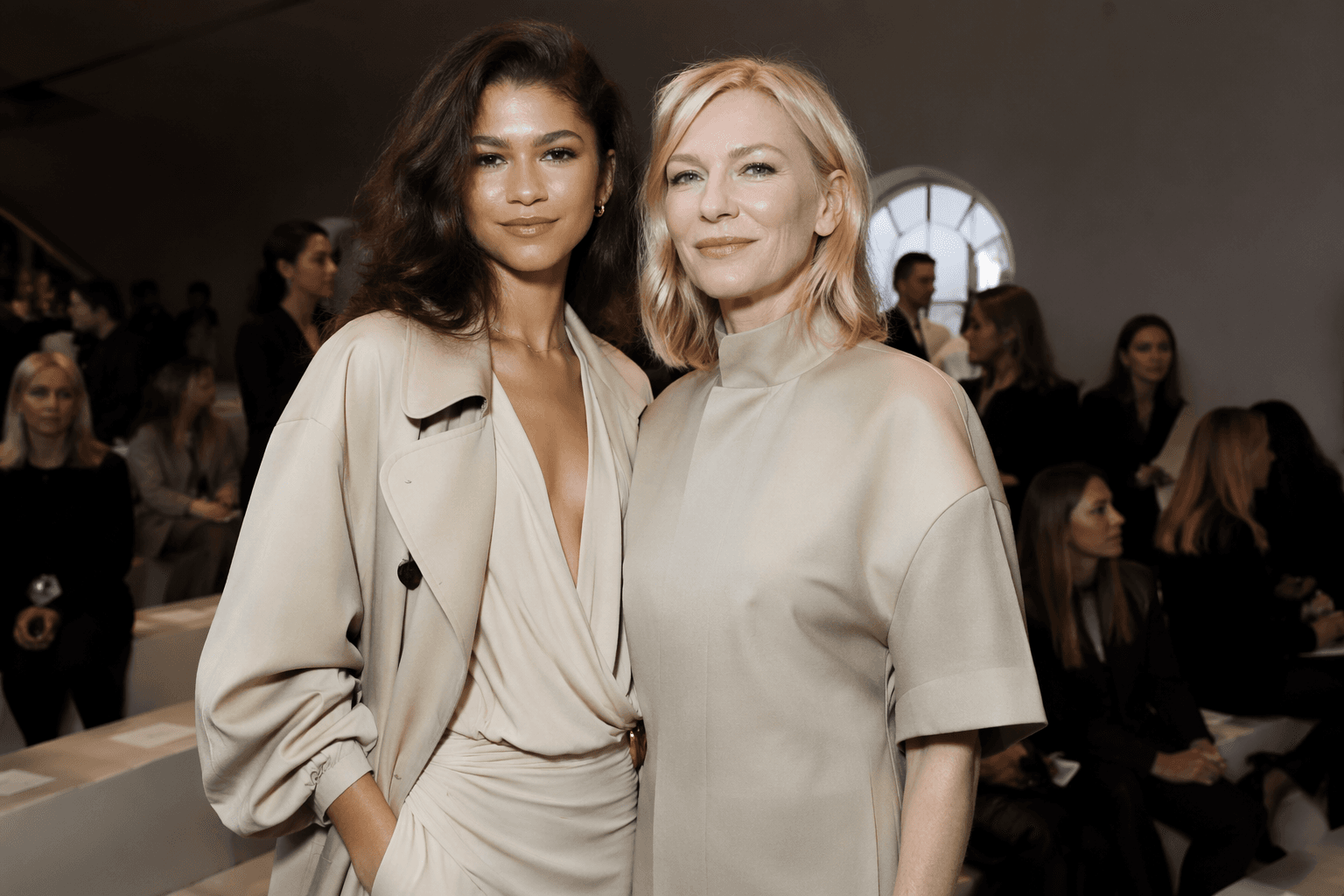
The front row sharpened the message before the lights even hit the runway. Zendaya arrived in a draped gray minidress, Cate Blanchett in textural gray tailoring, Emma Stone in a black cardigan set, and Chase Infiniti in a white miniskirt with muted plaid. Add Anne Hathaway, Alicia Vikander, Chloë Sevigny, Amy Adams, Emily Blunt, HoYeon Jung, and Law Roach to the room, and the effect was less celebrity pileup than style proof: this is where luxury wants to sit right now, in a register that is polished, restrained, and just dramatic enough to register on camera.
The Frick was the point, not just the backdrop
Louis Vuitton staged the presentation on Wednesday, May 20, 2026, at 6 p.m. EDT at The Frick Collection on Manhattan’s Upper East Side, and the setting did as much fashion work as the clothes. The house described the museum as an intimate place where Old Masters hold court, a fitting frame for a collection that wanted the refined weight of the Gilded Age without becoming precious. The Frick, which reopened after a major renovation in April 2025, gave Ghesquière a room with architectural authority and a very New York kind of cultural gravity.
There is also a bigger institutional story here. The Frick announced a three-year sponsorship from Louis Vuitton tied to the Cruise 2027 show, with support for free monthly Friday evenings, three special exhibitions, and a two-year curatorial research position. That is more than a fashion moment and less than a museum takeover. It is a clear sign that luxury houses are treating cultural sponsorship as part of their brand vocabulary, especially when they want the clothes to feel rooted in art, city life, and patronage rather than pure novelty.
Why the front row felt like a styling memo
What made the front row so useful is that it distilled the show’s mood into pieces you can actually decode. Zendaya’s draped gray minidress suggested movement without slackness. Cate Blanchett’s gray tailoring had texture and polish, the kind of suit that reads as relaxed only because the cut is immaculate. Emma Stone’s black cardigan set and Chase Infiniti’s white miniskirt with muted plaid pushed the same idea in different directions: softened separates, careful line, and a refusal to overstate the message.
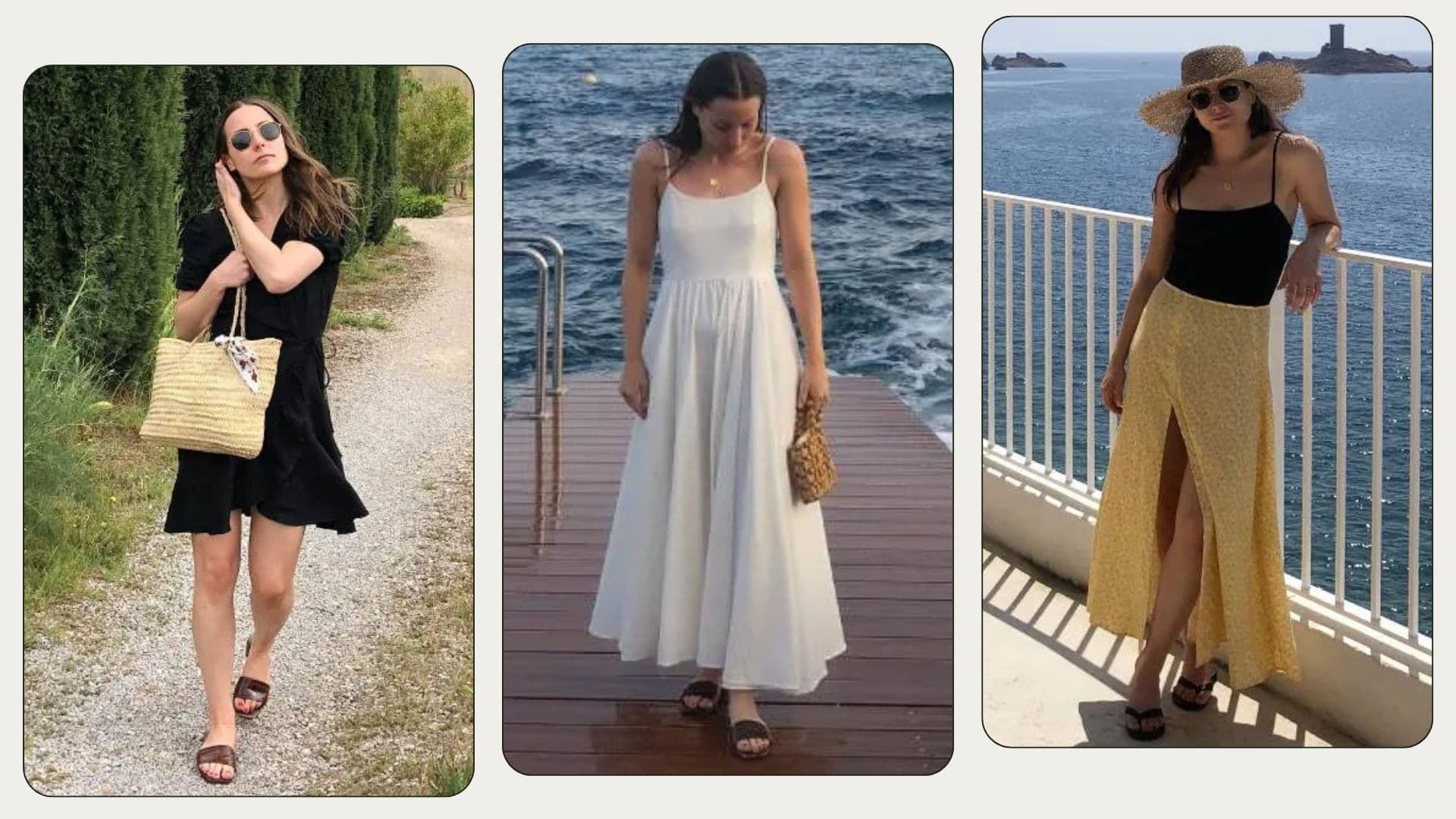
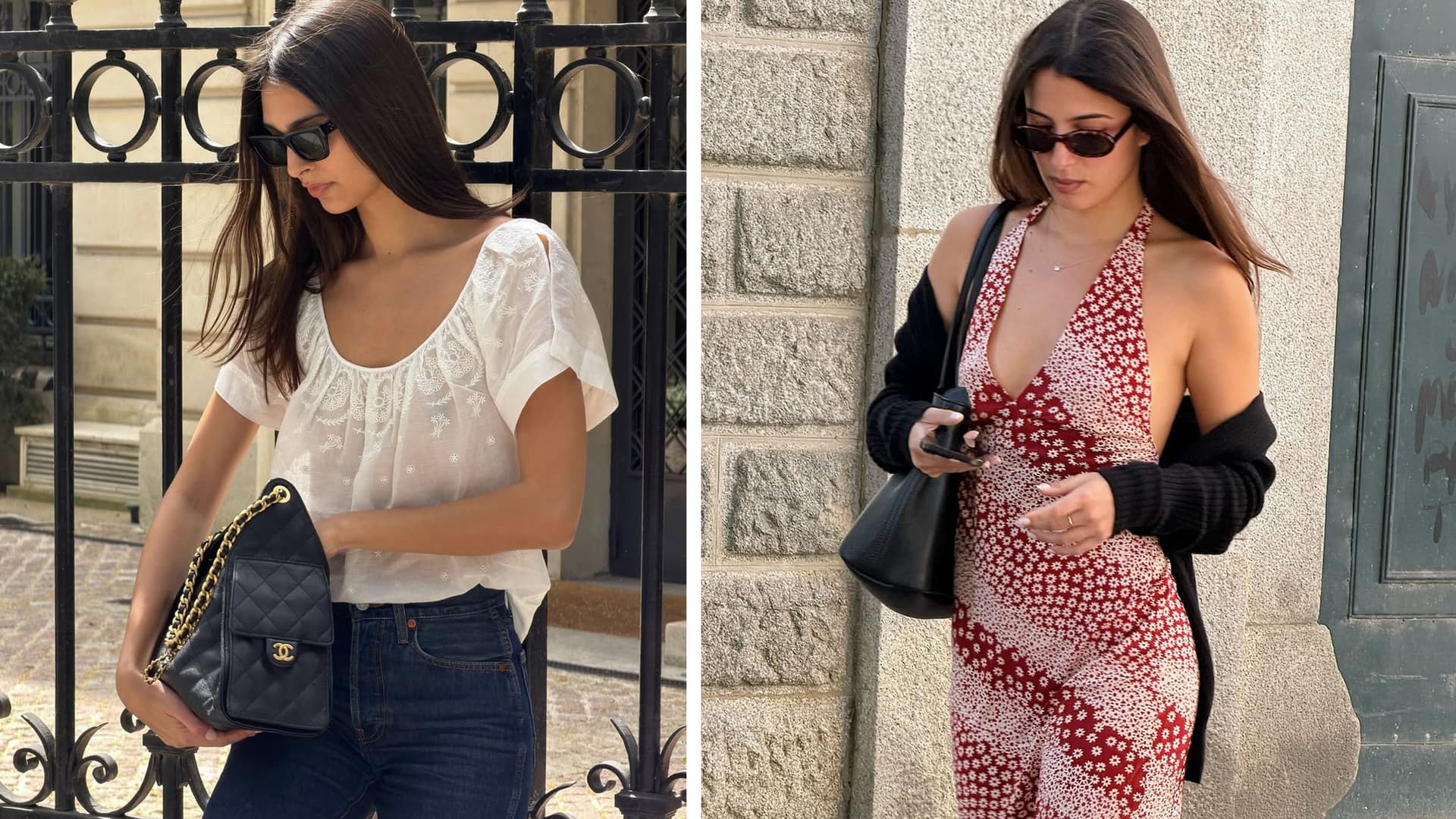
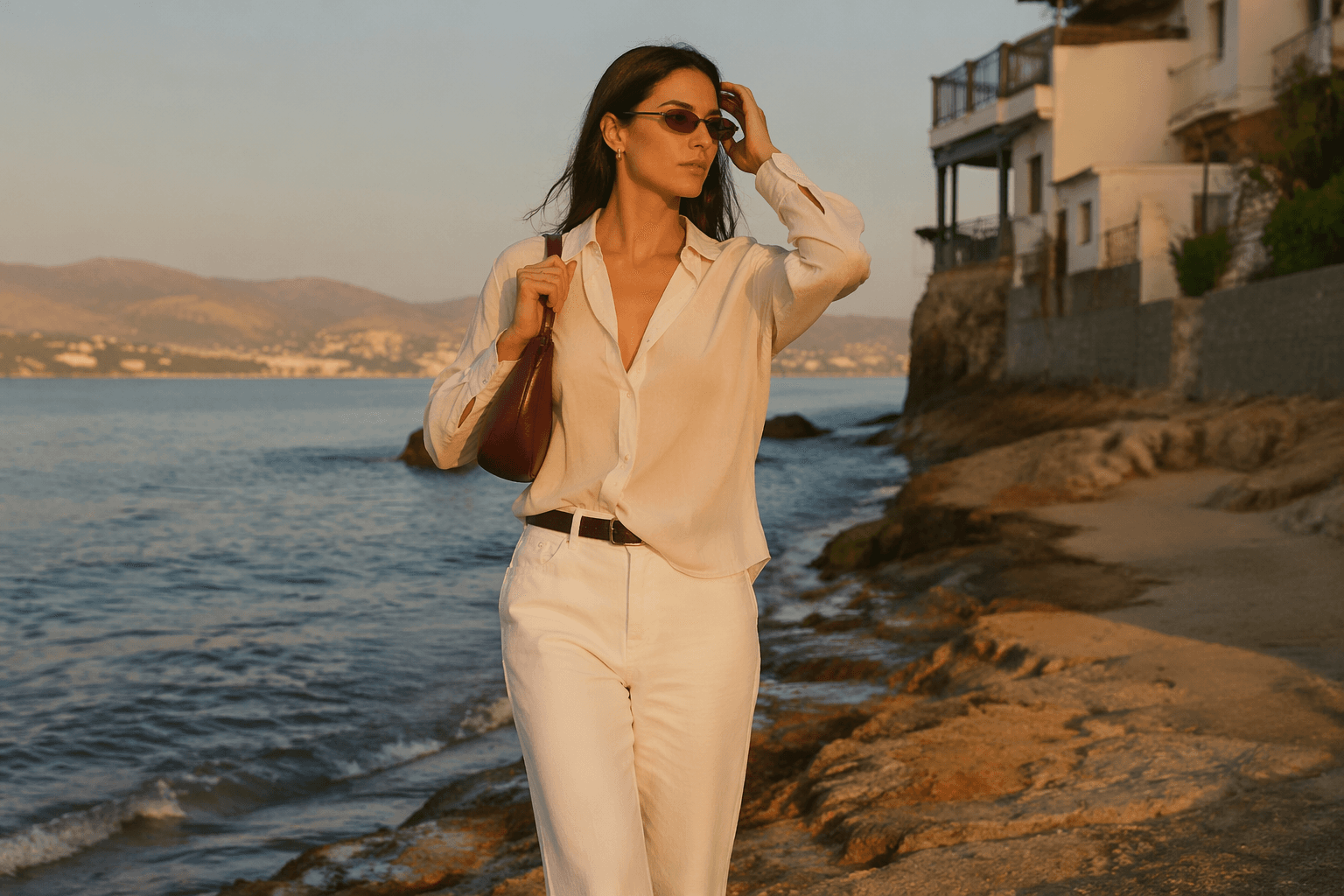
That is the modern luxury resort formula emerging here. It overlaps with elevated coastal-grandmother dressing, but not in the lazy, beach-house sense that has flattened the term in too many closets. This version is cleaner and more urban, built from neutral color, tactile fabric, and silhouettes that suggest ease without surrendering shape. It is coastal grandmother with runway discipline, not nostalgia in linen.
The collection had more tension than the neutrals suggested
The runway itself was not purely subdued. Coverage of the collection pointed to ruffles, biker leather, and Keith Haring-inspired graphics, and that tension matters. Ghesquière rarely builds a collection around one note, and this show was no exception. The visual conversation moved between uptown and downtown, polished and graphic, heritage and abrasion.
That duality is exactly what gave the collection its charge. The gray drape and textural tailoring on the front row read as the surface language, but the collection underneath that surface had more snap: ruffles softened into movement, biker leather pulled the mood toward downtown energy, and Haring references gave the clothes a pop-art pulse. In other words, the restraint was not blandness. It was control, used to make the occasional jolt feel more deliberate.
What this says about resortwear in 2027
This is the clearest signal yet that luxury resortwear is moving away from overt fantasy and toward softened pragmatism. The next wave looks less like destination dressing for the feed and more like clothes built for a life that moves between museum opening, hotel lobby, and coastal escape without changing character. Think draped gray instead of saturated print, tailored ease instead of obvious glamour, and pieces that can hold up in daylight.
For anyone reading the market as a wardrobe forecast, the useful codes are already visible:
- Gray, white, black, and muted plaid are replacing louder resort palettes.
- Draped minidresses and textural tailoring are giving softness a more polished edge.
- Cardigan sets and miniskirts are feeling current again when they are cut with restraint.
- Graphic touches still matter, but only when they interrupt the calm instead of overwhelming it.
That is why the coastal-grandmother conversation now feels less like an internet aesthetic and more like an active fashion movement. When houses like Louis Vuitton bring that language onto a New York cultural stage, it stops being shorthand for ease and becomes a serious luxury proposition. The clothes may be relaxed, but the message is disciplined.
Louis Vuitton knows the power of a New York landmark
There is precedent for this strategy. Louis Vuitton previously staged a Cruise show at JFK’s TWA Flight Center for Cruise 2020, another iconic New York setting that turned location into meaning. The Frick feels different, more hushed and more aristocratic, but the underlying strategy is the same: use architecture to anchor the collection in a city with enough cultural history to make fashion feel consequential.
That is why Cruise 2027 lands as more than a celebrity-rich presentation. It is a statement about where luxury wants to live now, and how it wants to look while it is there. The future of resort dressing is not louder, not flashier, and not more decorated for its own sake. It is quieter, more tactile, and more self-possessed, with New York, not the beach, setting the tone.
Know something we missed? Have a correction or additional information?
Submit a Tip