Pangaia’s Linen Drop Brings Sustainable Summer Staples in Coastal Neutrals
Pangaia’s linen drop gives coastal grandmother a celebrity-backed polish, but the real story is the breathable, lower-impact fabric underneath.
Sea salt, linen, and celebrity gravity
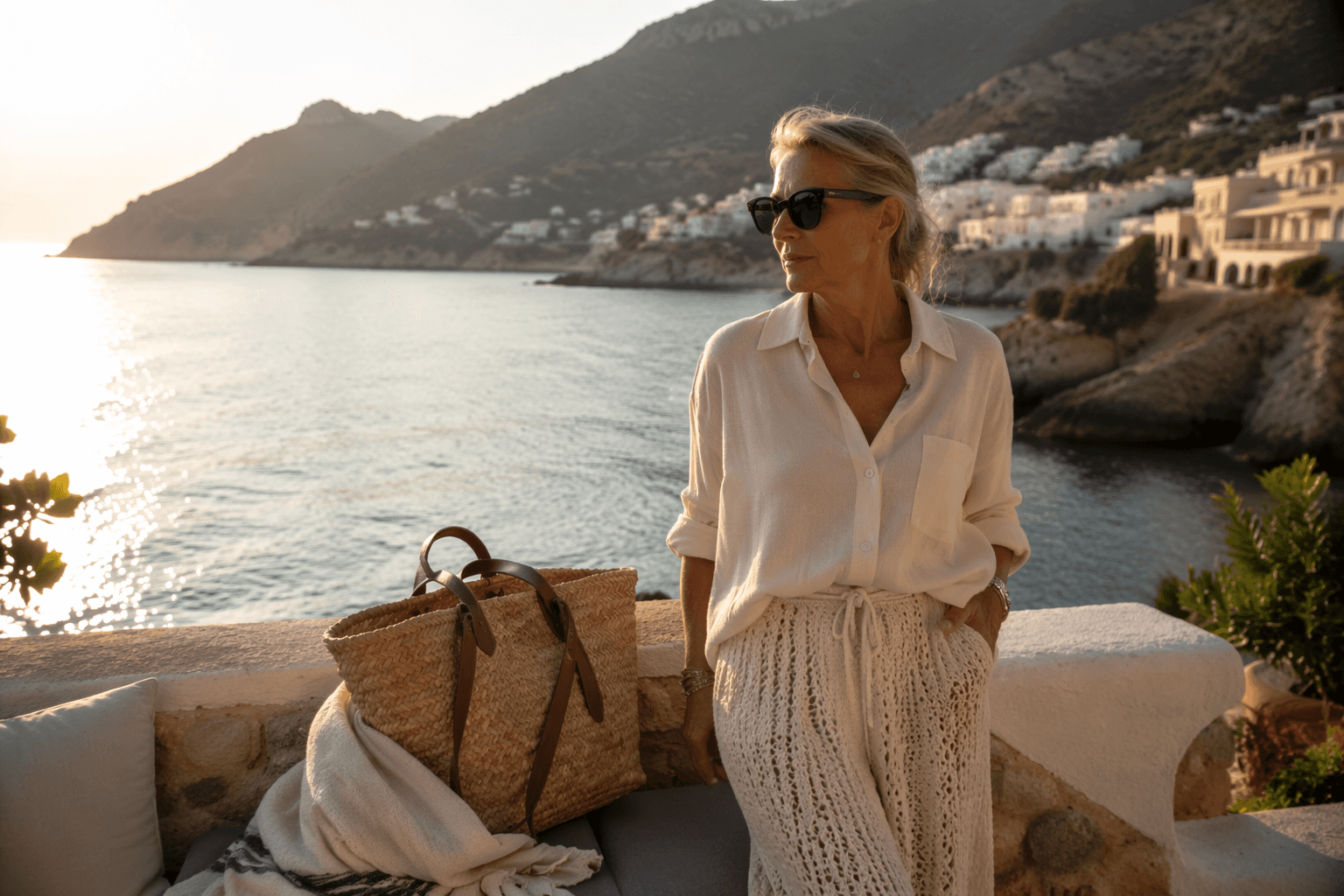
PANGAIA has figured out how to make coastal grandmother feel less like a costume and more like a climate-aware uniform. With Bella Hadid and Sarah Jessica Parker in the same orbit, the brand’s linen drop lands as a values-first version of summer dressing, the kind that looks at home on a ferry deck, in a polished city apartment, or at a very expensive beach house. The appeal is not only the aesthetic, all sun-washed neutrals and easy volume, but the message tucked inside it: this is supposed to be the cool, comfortable answer to warm-weather dressing without the disposable feel of trend churn.
That matters because linen has become a cultural shorthand for a certain kind of summer authority. It signals ease, but not carelessness; refinement, but not stiffness. PANGAIA is leaning hard into that code, and the brand’s pitch is simple: if you want the modern coastal uniform, it should breathe, drape cleanly, and carry a sustainability story that is stronger than a mood board.
Why linen keeps winning the summer conversation
Linen has the rare ability to read both elegant and practical. It comes from flax plants, which helps explain why it is widely viewed as a lower-impact warm-weather fiber than many conventional textiles, and why it keeps turning up in conversations about more responsible wardrobes. It is renewable, biodegradable, and generally requires less water and fewer chemicals than many other fibers, which gives it real substance beyond the look of a relaxed shirt.
PANGAIA’s version adds another layer with an aloe vera oil treatment designed to make the fabric softer and accentuate its cool, comfortable feel. That detail matters more than it sounds like it should. Linen can sometimes be admired more than worn, loved for its texture but rejected for its scratchiness, and the promise here is a smoother hand without sacrificing the crisp, lightly wrinkled character that makes linen look expensive in the first place.
What is actually in the drop
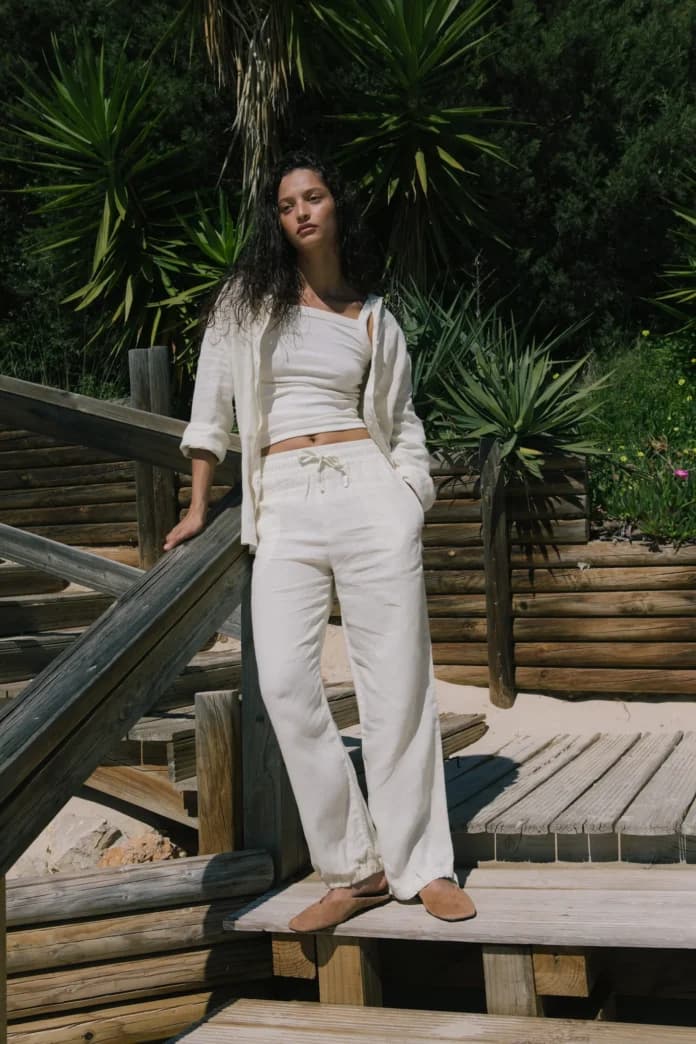
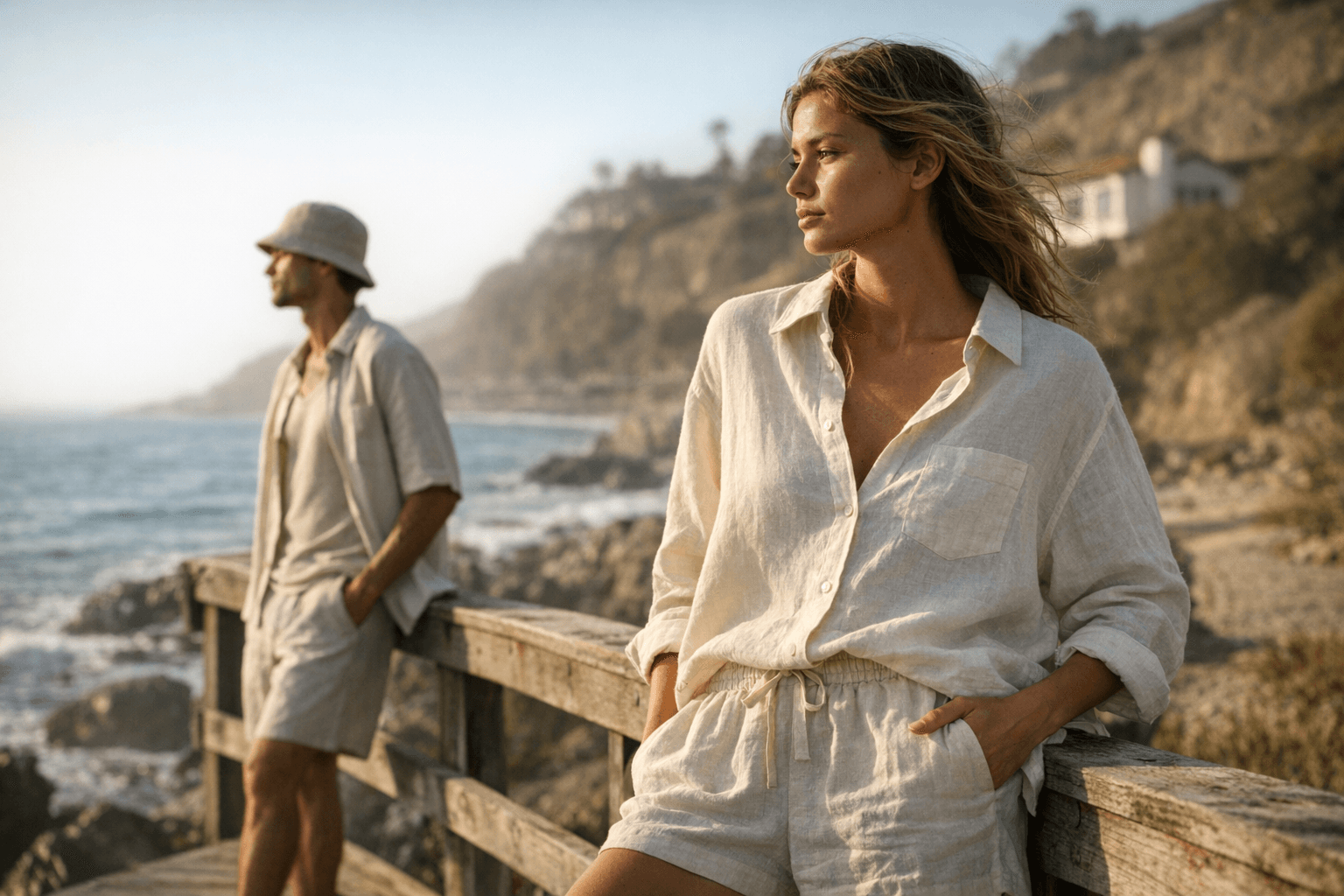
The collection is built as a full wardrobe rather than a token capsule. PANGAIA says the latest linen drop is made from 100 percent linen sourced from flax plants, and it spans women’s and men’s separates, including shirts, shorts, trousers, Harrington jackets, summer co-ords, and its Aloe Linen trousers. Ethos describes the assortment as ranging across neutrals, pastels, and brighter colorways, which gives the line more range than the usual beige-on-beige summer cliché.
The women’s linen collection currently lists 21 products, and the price points sit in premium contemporary territory without wandering into the rarefied luxury stratosphere. Several shirts and shorts are priced at $175, while trousers come in at $210. That pricing feels strategically placed for shoppers who want the linen look to be their daily uniform rather than a once-a-season splurge, especially when the silhouettes are intended to work as separates instead of occasion pieces.
What distinguishes the line is not just the fabric, but the way PANGAIA packages polish into the proposition. Linen shirts are easy; linen trousers that promise a more refined drape, plus matching co-ords and Harrington jackets, suggest an attempt to move beyond the beach-house stereotype and into a real summer system. That is exactly where the coastal grandmother trend is headed now, away from costume and toward utility with taste.
The sustainability story behind the styling
PANGAIA has spent years presenting itself as a materials science company, not just a fashion label, and that framing is central to how this collection reads. The brand says it uses smart technology and recyclable elements, and it is a Certified B Corporation, which puts formal structure around its sustainability claims. In its 2023 impact report, PANGAIA says it launched PANGAIA ReWear, a peer-to-peer resale platform, and reduced its carbon footprint by 40 percent from its 2021 baseline.
That is a meaningful set of signals, especially in a category where “eco-conscious” can still be little more than a tone of voice. The ReWear platform suggests the brand is at least thinking beyond first sale, while the carbon reduction figure gives the story a measurable edge. For readers who care about the daily impact of what they wear, this is the part that matters most: linen may look like a summer indulgence, but in the right version it can be part of a less wasteful wardrobe logic.
Still, the collection’s strongest asset is how neatly it fuses image and intent. The celebrity pull makes it aspirational, but the fabric choice keeps it grounded. PANGAIA understands that shoppers no longer want sustainability to sit in a separate moral category from style, and that is why linen works so well here, it is both a visual language and a material argument.
Does it deliver the full coastal uniform?
Mostly, yes. The best coastal grandmother dressing is not about looking antique or overly precious; it is about appearing composed in clothes that move with heat, humidity, and a real life. PANGAIA’s linen drop gives you the bones of that wardrobe: breathable shirts, easy shorts, tailored trousers, and matching separates that feel considered without becoming fussy.
What it does especially well is translate the trend into something modern and wearable, rather than romantic and nostalgic. The neutrals and pastels carry the seaside softness, while the brighter colors keep the collection from sinking into predictable beige minimalism. Add the sustainability credentials, and the line starts to look less like a fleeting aesthetic exercise and more like a credible summer system for people who want their clothes to do two jobs at once.
The final test of any coastal wardrobe is whether it can survive real movement, real weather, and repeat wear without losing its shape or its appeal. On paper, PANGAIA’s linen drop comes close to meeting that standard, and that is what makes it more convincing than a simple seasonal mood. It is trying to make the coastal fantasy feel less borrowed and more built-in, which is exactly where the style is headed now.
This article was produced by Prism’s automated news system from verified source data, official records, and press releases, then run through automated quality and moderation checks before publishing. The system is built and supervised by the people who set the standards it runs under. Read our full AI policy.
Did this article answer your question?