Tailored linen trousers are the polished coastal grandmother summer upgrade
Tailored linen trousers are the coastal grandmother piece that looks polished, breathes in heat, and works from desk to dinner.
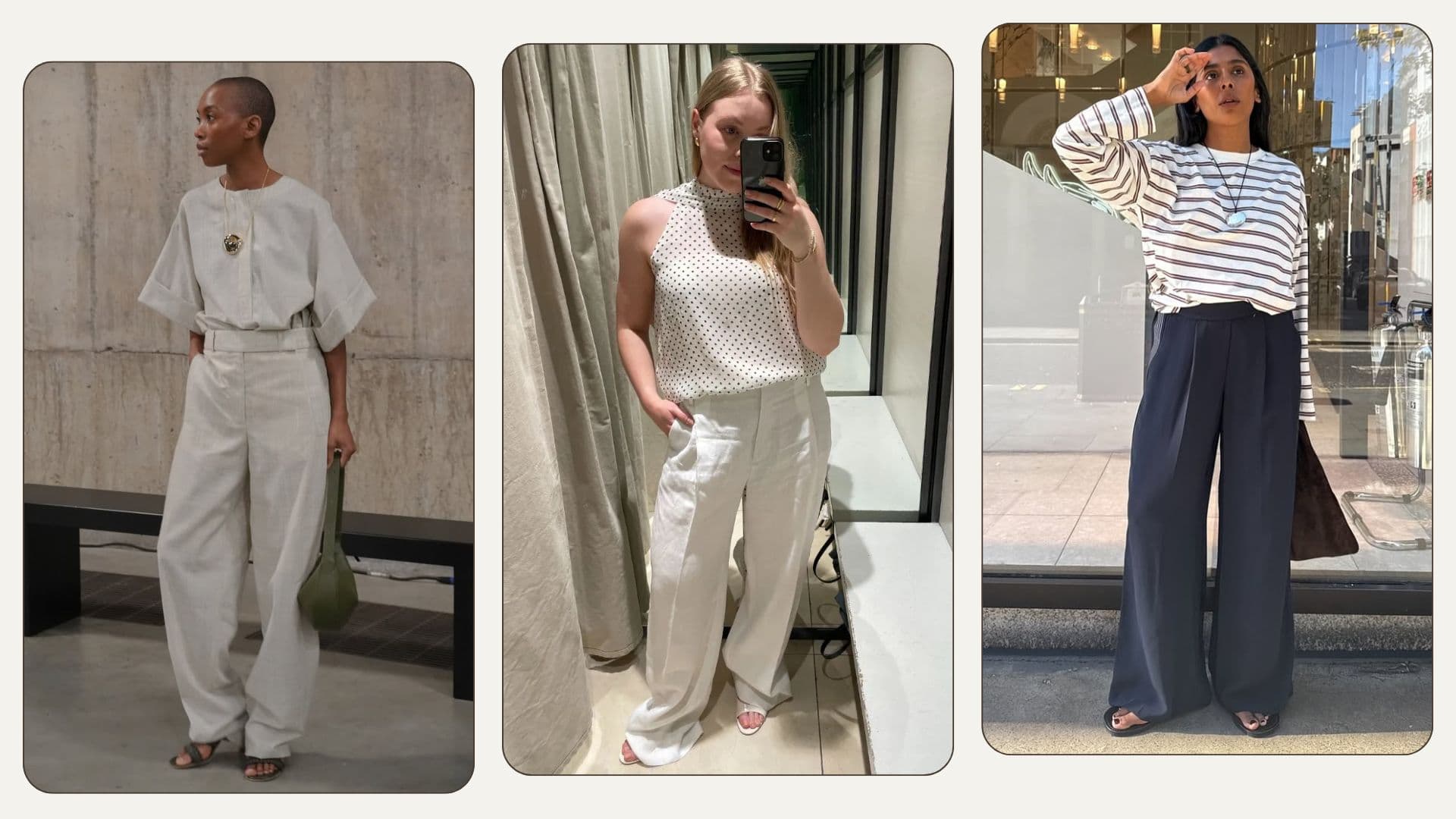
Why tailored linen trousers are the summer switch-up
Coastal grandmother style was never meant to sit still. The look took off on TikTok in 2022 through Lex Nicoleta, spread through the easy glamour of Nancy Meyers films, and landed as a clean, classic, muted uniform that has racked up more than 107 million views. This summer, the smartest way to wear it is not in a costume of straw hats and nostalgia, but in tailored linen trousers, the piece that replaces jeans when you want polish without the cling.
That is exactly where the trend feels current rather than archived. Who What Wear’s latest take on the category makes the case plainly: tailored linen trousers look sharp with button-downs and loafers, but they work just as easily with blouses and low heels. The formula is simple, which is why it reads as chic instead of fussy. Linen brings the coastal softness; tailoring keeps the silhouette from drifting into beachwear.
The coastal grandmother code, updated
The original aesthetic was always built on restraint. Think flowy linen pants, straw hats, sensible-but-chic sandals, and a wardrobe that looked sun-washed rather than styled within an inch of its life. That clean, effortless quality is still the point, but the mood has sharpened for 2026, with polished dressers turning to linen to dress up trousers, skirts, and shorts.
That shift matters because it turns coastal grandmother into a movement, not a glossary entry. The pieces are still relaxed, but they now carry a little more structure and intent. Tailored linen trousers sit at the center of that change: they keep the ease, but they add enough discipline to work in a city, at a desk, or on a travel day when denim feels too heavy.
Why linen earns its place in heat
Linen’s appeal is not just aesthetic. As a natural fiber spun from flax, it is known for breathability and moisture management, which is why it feels so right when summer starts to press against everything else in your closet. The fiber also has a strong provenance story: the Alliance for European Flax-Linen & Hemp says flax is grown along a coastal stretch in Western Europe from Normandy to Amsterdam, a geography that sounds almost designed for this exact wardrobe fantasy.
That practical advantage is part of why linen trousers have become such a reliable summer staple. Fashion coverage in 2026 keeps circling back to the same idea: linen is the easy, breathable alternative to jeans, but it does more than simply swap out denim. In the right cut, it looks more composed, more current, and far more forgiving when the day stretches from morning commute to late dinner.
How to choose the cut that does the most work
If you want the version that will actually get worn, start with tailoring, not gimmicks. Drawstring linen trousers may be timeless, but the sharper silhouettes are the ones that clean up best, especially with tank tops and tees, as Who What Wear put it. A tailored waistband, a fluid leg, and enough structure through the front make the trousers look deliberate rather than sleepy.

The most useful shapes are the ones that skim, not squeeze. Look for a leg that drapes cleanly, whether it is straight, softly tapered, or slightly wide, and keep the fit easy enough that the fabric can move. That is the difference between “beach pants” and the pair you can wear three ways in one week without repeating the same outfit formula.
Colors and value: where the smartest pairs live
The coastal grandmother palette is still strongest in muted hues, and that is where linen trousers make the most sense. Sandy neutrals, ecru, stone, soft khaki, and weathered taupe all fit the aesthetic without shouting for attention. These shades also work hardest with the rest of a summer wardrobe, because they sit comfortably with white shirting, navy knits, striped tees, and black sandals alike.
Value comes down to more than price, it comes down to how often the trousers can disappear into different looks. A more affordable pair can be a smart buy if the cut is clean and the fabric is not too thin. Midrange versions usually buy you better drape and a more precise waist, while the most expensive pairs earn their keep when the tailoring is crisp enough to pass for officewear and relaxed enough to survive a weekend away. The best test is simple: if the trousers look equally right with a button-down and loafers, a blouse and low heels, or a tee and flat sandals, they are doing real work.
What to look for on the label
There is also a practical reason to read the label before you buy. In the United States, the Federal Trade Commission’s Textile Fiber Rule requires textile products to disclose the generic fiber names and percentages, the manufacturer or marketer name, and the country of processing or manufacture. That makes linen shopping more transparent than it first appears, and it helps you tell a true linen piece from a blend that only borrows the look.
For a wardrobe built on polish, that detail matters. Linen should feel breathable and light, but the label tells you what you are really paying for, whether it is 100 percent linen or a fabric mixed for easier care. If the goal is a summer trouser that can move from work to travel to weekend dressing, clarity on the tag is just as important as the silhouette itself.
The new summer uniform
That is why tailored linen trousers feel like the defining coastal grandmother upgrade. They keep the relaxed spirit of the aesthetic, but they solve the modern dressing problem: how to look composed when the temperature climbs. In a season when polished dressers are turning to linen across trousers, skirts, and shorts, the tailored pair stands out as the one piece that can make the whole look feel intentional.
This article was produced by Prism’s automated news system from verified source data, official records, and press releases, then run through automated quality and moderation checks before publishing. The system is built and supervised by the people who set the standards it runs under. Read our full AI policy.
Did this article answer your question?