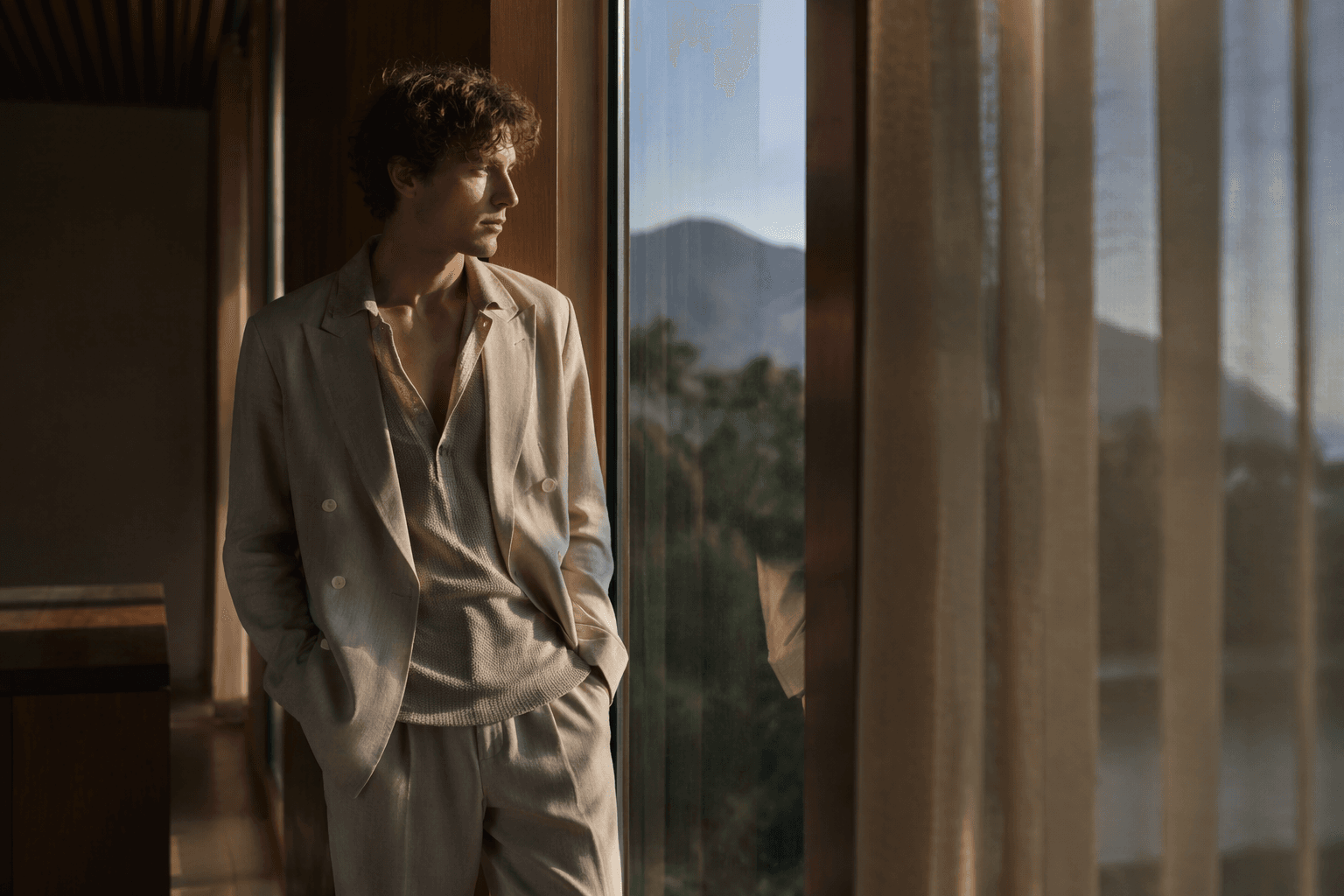
summer style gets less precious as designers revisit familiar staples
At the TWA Hotel, WWD traces a softer luxury turn: trenches, tweed and silk slips feel newly alive when cut looser and styled for real travel.
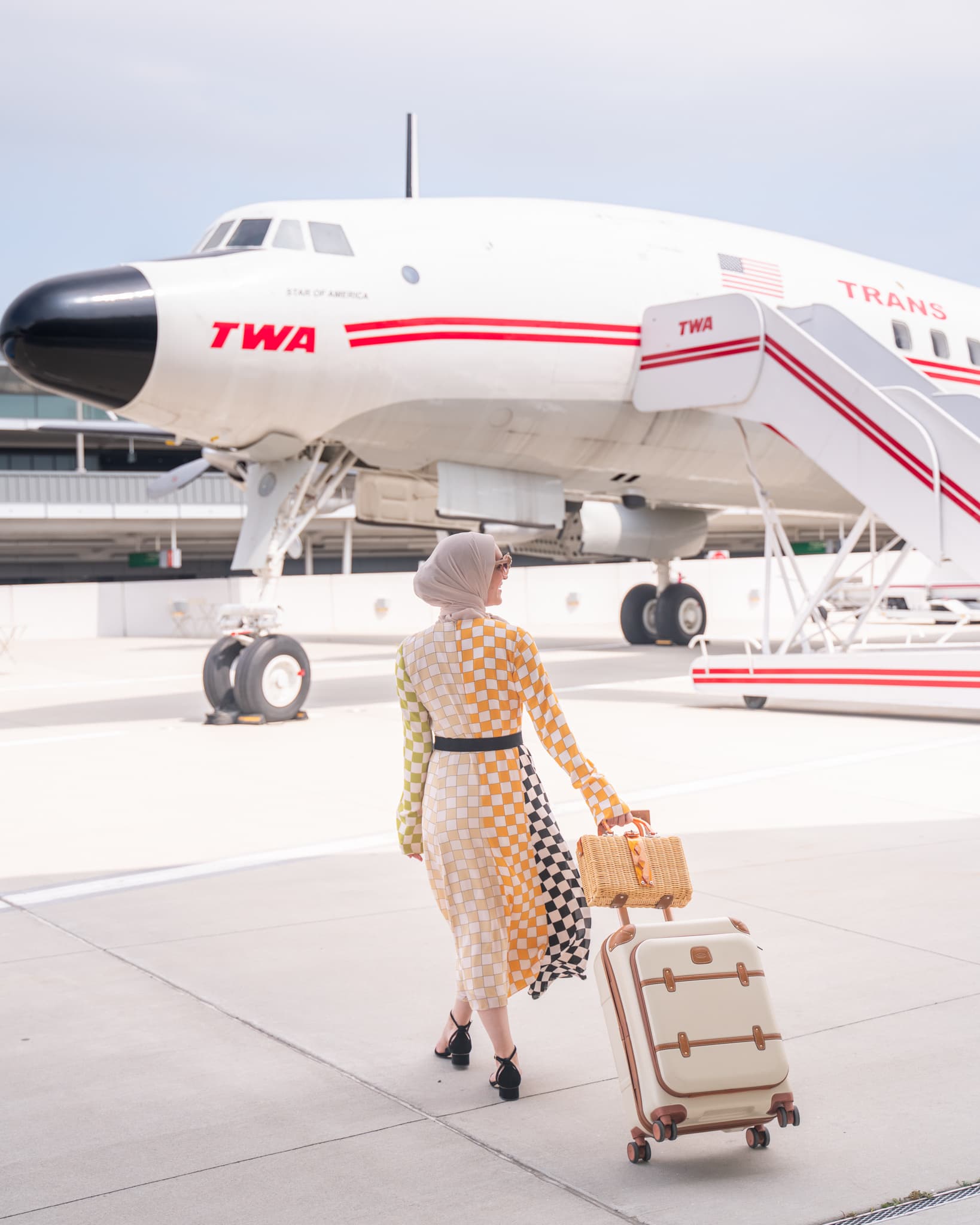
A softer luxury is taking over
The sharpest idea in this season’s fashion reset is not novelty, but ease. At WWD’s TWA Hotel shoot at JFK Airport, the mood is lived-in and lightly polished, with designers revisiting trenches, tweed, cocktail dresses and silk slips as if to prove that familiar clothes can feel newly relevant when they are cut with more air and worn with less ceremony.
That is the defining shift here: summer style looks less precious, more tactile, and far better suited to actual movement. Instead of dressing as if every outfit must read as a complete statement, the new proposition is wardrobe reliability with attitude. A trench sits a little looser, tweed gets softened, a silk slip loses its fragility, and the whole thing starts to feel like something you could wear from a flight lounge to dinner without changing your character.
Why the TWA Hotel is the right backdrop
The setting does a lot of editorial work. The TWA Flight Center, designed by Eero Saarinen and opened in 1962, was built for the romance of air travel, and the hotel that now wraps around it opened on May 15, 2019 after restoration and expansion. With 512 guestrooms, an infinity pool and 50,000 square feet of event space, it carries enough midcentury glamour to make fashion feel cinematic without tipping into costume.
That matters because the story is about modern nostalgia, not nostalgia as an accessory. The TWA Hotel suggests departure, efficiency, and a certain old-world confidence, which is exactly the kind of frame that makes relaxed tailoring and tactile fabrics feel intentional. In a season obsessed with clothes that travel well, the location becomes part of the argument: luxury should look composed, but never delicate.
The designers defining the reset
WWD places this shift at the feet of a new guard of creative directors, and the lineup is telling. Matthieu Blazy at Chanel, Jonathan Anderson at Dior, Demna at Gucci, Simone Bellotti at Jil Sander, Michael Rider at Celine and Glenn Martens together sketch a luxury landscape that is less about one house code repeated forever and more about recalibrating old signatures for a different kind of client.
At Chanel, the familiar tweed has been softened, the tailoring loosened, and daytime sequined T-shirts bring a spark without the usual evening stiffness. That combination says a great deal about where fashion is heading: the brand is still anchored in recognisable house language, but the finish is less brittle and more wearable.
Dior under Jonathan Anderson pushes in a different direction, with exaggerated proportions and couture-level construction that still reads as effortless. It is a useful tension for the season. The clothes have the authority of craftsmanship, but the silhouette does not demand the kind of fussy styling that used to signal luxury by default.
Demna’s Gucci turns to 1990s sexiness, which sounds sharper and more subversive than simply reviving sex appeal. The point is not nostalgia for its own sake, but a cleaner, more charged silhouette that can sit comfortably inside the broader move toward clothes that feel lived-in rather than overdecorated.
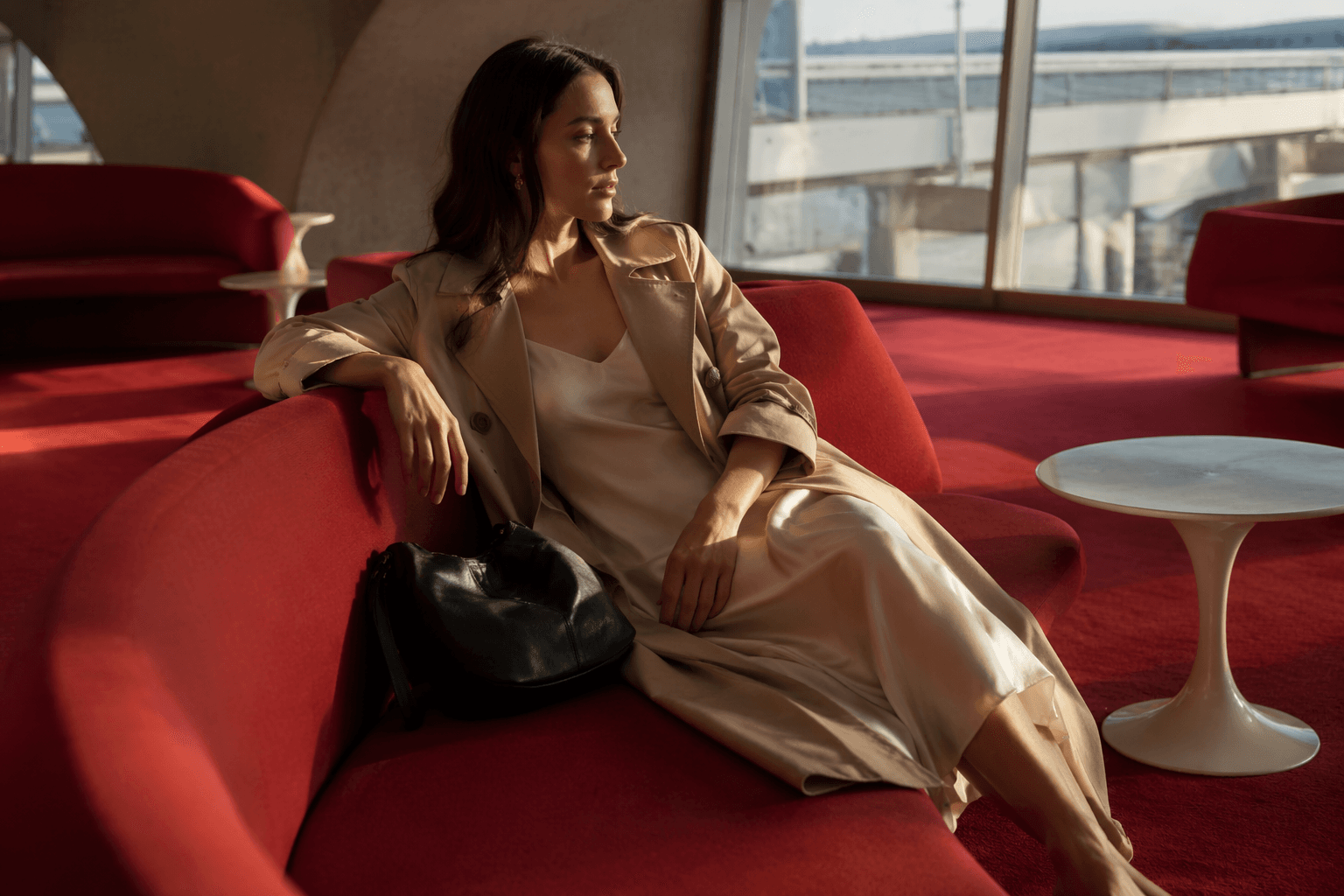
Michael Rider’s Celine leans into bourgeois dressing with primary colors and sharp lines, a formula that is especially resonant right now because it makes polish look practical. The clothes feel edited, not overloaded, and that restraint gives classic codes a fresh commercial edge. Even Glenn Martens’ deconstructed approach fits the larger mood, because breaking a garment apart only becomes interesting when the final effect still feels easy to wear.
What this means for the way summer clothes are being styled
The season’s most useful lesson is that recognizable pieces are being made less literal. A trench no longer needs to behave like office armor. Tweed can be light enough for warmer weather when the tailoring is softer and the styling avoids overstatement. Silk slips work best now when they are treated as part of a wardrobe, not as a special-occasion relic.
This is also why tactile dressing is winning. Fabrics need to do more than photograph well, they need to suggest movement, touch and repeat wear. The new luxury read is not crispness for its own sake, but a polished looseness that gives clothes more life. The best looks here feel as if they have already been broken in by a trip, a meal, a long walk through the terminal and a late check-in.
For readers building a wardrobe around this shift, the logic is clear:
- Choose a trench with room in the shoulder and sleeve so it falls rather than clings.
- Look for tweed that has been lightened by color, cut or proportion.
- Treat silk slips as layering pieces, not as fragile standalones.
- Favor sharp lines or relaxed drape, but avoid anything that feels overworked.
- Let a single tactile detail, sequins, sheen, texture, do the work of several decorative ones.
Why brands are betting on familiarity
Commercially, this is the most persuasive luxury story of the moment. In a market crowded with fashion fatigue, recognisable classics offer less risk than constant reinvention. A customer who wants polish that travels, wears and photographs well is more likely to return to a trench, a tweed jacket or a slip dress than to chase novelty for its own sake.
That is why WWD’s framing of spring 2026 as a season full of designer debuts felt so consequential. The publication had already dubbed it a “mega super bowl of fashion,” and the result has been a wave of collections that mine the archive while updating the codes enough to feel current. The bigger message is not that fashion is retreating, but that it is becoming more selective about where innovation should live.
At the TWA Hotel, that reset looks especially convincing. The clothes are glamorous, but not fragile; distinctive, but not precious; polished, but not overworked. That balance is what gives familiar staples their new power, and it is likely to be the most commercially durable idea in luxury as the season unfolds.
Know something we missed? Have a correction or additional information?
Submit a Tip