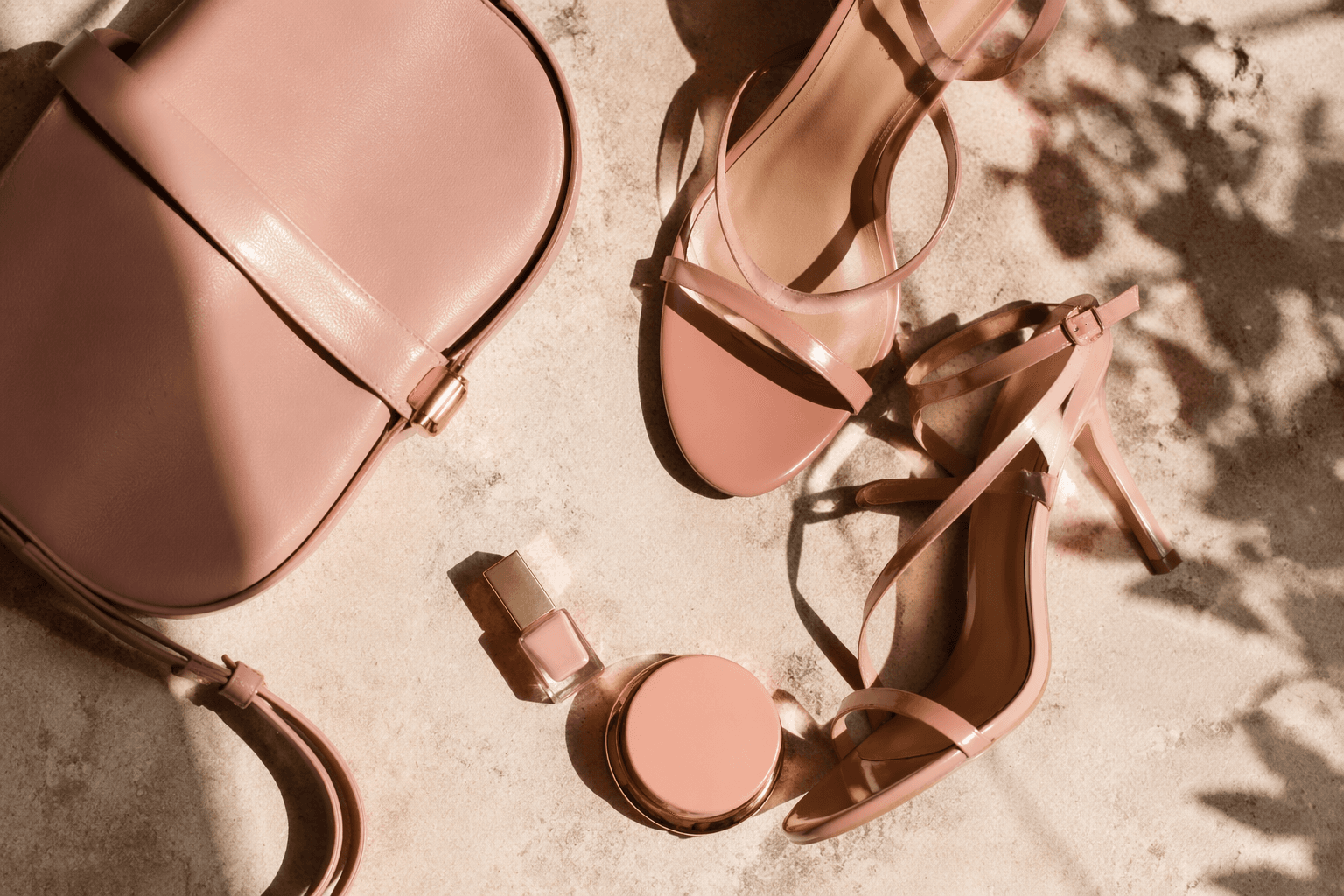
Eveningwear splits into ultra-glam and dressed-down luxury looks
Luxury eveningwear is splitting in two: one side pure spectacle, the other denim, jersey, and softened tailoring built for real-life wear.

The new eveningwear code
Evening dressing has stopped pretending it only wants to be admired from afar. The clearest collections now split the room in two: unapologetic glamour on one side, and a quieter, more wearable polish on the other. That tension is what makes the current moment feel sharper than a generic trends cycle, because the clothes are not simply getting easier. They are being recalibrated for how people actually buy, pack, and wear luxury now.
Chanel gives the idea its most cinematic reading. The house staged Cruise 2025/26 at Villa d’Este on Lake Como, and its own language around the collection leans into the pleasure of dressing up to be noticed. That matters because Chanel is not abandoning spectacle, it is refining it. The line still carries the emotional charge of occasion dressing, but it frames glamour as something with movement, lightness, and ease rather than old-school stiffness.
Ultra-glam, but less rigid
On the high-gloss side of the split, Chanel and Dior are proving that eveningwear can stay dramatic without feeling sealed in formaldehyde. Dior’s Cruise 2026 women’s collection, set in Rome, is described by the house as a tribute to Roman heritage, cinematic memory, and baroque splendor. That is not minimalism, nor is it a retreat from ornament. It is a reminder that luxury still has appetite for sweeping references, rich atmospheres, and clothes that feel built for arrival.
What is different now is the silhouette logic behind the drama. Instead of relying only on corsetry, tight structure, and heavy surface embellishment, the new glamour often arrives through fluidity, layering, and a slightly softened line. The result is still eveningwear, but eveningwear with air in it. It is easier to imagine these pieces moving from a gala to a dinner, then into a travel wardrobe, without losing their authority.
The dressed-down lane is not a compromise
The second lane is the more commercially revealing one. Coveteur points to Chanel and Dior cruise denim, Saint Laurent’s looser tailoring, Prada’s layered looks, and GapStudio’s t-shirt-material Met Gala gown as evidence that casual codes are no longer side notes. They are part of the luxury evening conversation itself. That is the strategic reset: houses are making formal dressing more relaxed because the customer wants clothes that feel expensive without feeling trapped.
Denim in this context is not about everyday basics. It is about taking a fabric associated with utility and recasting it in a luxury setting, where cut, proportion, and styling do the heavy lifting. The same is true of layered separates at Prada. Layering gives a wardrobe flexibility that a single gown cannot, and it gives the wearer more ways to edit the look across different occasions. That kind of modularity has obvious appeal for a market where formal dressing is increasingly expected to work harder.
Saint Laurent’s contribution is especially instructive because looser tailoring still carries the discipline of the tuxedo. Yves Saint Laurent introduced Le Smoking in his Autumn-Winter 1966 collection, and that history still haunts every modern conversation about women in tailoring. The current version is less severe, less locked down, and more sensual in motion. It signals confidence without needing the old hard edges, which is exactly why it feels so current.
Why the market is leaning casual
This shift is not only aesthetic, it is economic. McKinsey and The Business of Fashion’s State of Fashion 2026 says the sector is facing trade disruptions, geopolitical tensions, and declining consumer confidence. That kind of pressure tends to punish clothes that only make sense in narrow, high-stakes settings. It rewards pieces that can move between special occasion, travel, and repeat wear.
Bain’s 2025 luxury outlook helps explain the mood from the demand side. Consumers are shifting spending toward luxury experiences such as hospitality, cruises, and fine dining. That tilt matters for fashion because it changes what occasion dressing has to do. Clothes are no longer only competing with other clothes. They are competing with the value of the experience itself, which means they need to feel less like costume and more like a seamless part of the life being lived.
That is where the softer eveningwear language makes sense. A gown that travels better, a tailored look that does not feel too precious, or a layered set that can be broken apart afterward has a stronger commercial runway than a look that exists for one photograph and one room. The market is rewarding versatility, but it is rewarding it in luxury terms: with beautiful fabrication, precise cut, and a whiff of nonchalance.
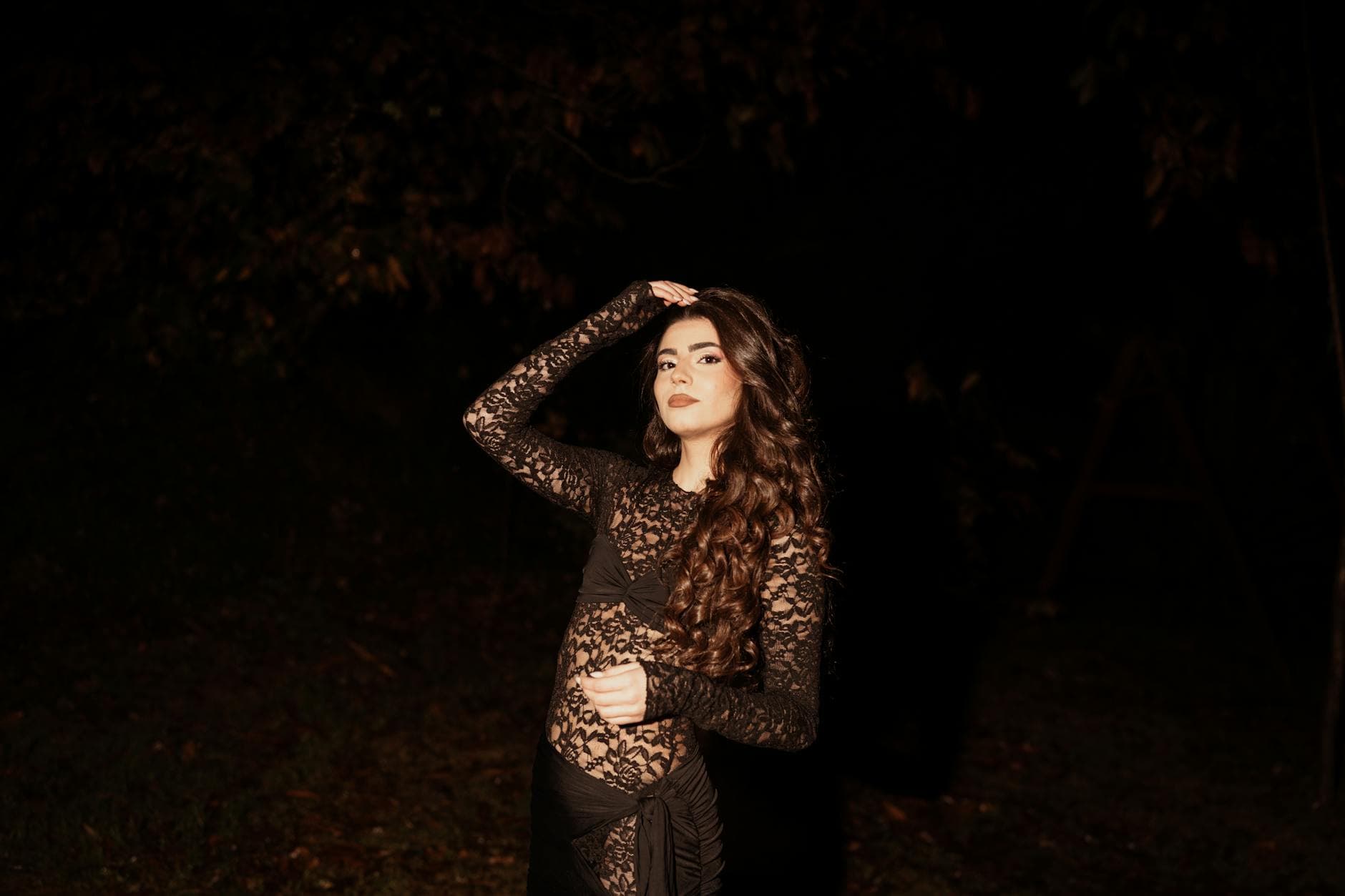
From gala spectacle to wearable status
The GapStudio example shows how far this logic has reached. Zac Posen’s new premium line at Gap is positioned around elevated tailoring and statement pieces, but the real signal is the material choice. Demi Moore wore a GapStudio gown at the 2025 TIME100 Gala and drew major attention again at the 2025 Met Gala, where the garment’s t-shirt-like fabric reframed the idea of red-carpet dressing. It was not about looking underdressed. It was about making ease itself look deliberate.
That reading also fits the Met Gala’s 2025 Costume Institute exhibition, Superfine: Tailoring Black Style, which ran from May 10 through October 26, 2025. The exhibition examined Black style over three hundred years through the concept of dandyism, putting tailoring, identity, and self-presentation at the center of the conversation. In that context, the current move toward softened eveningwear feels less like casualization and more like a new grammar for presence. The clothes still signal status, but they do it with drape, layering, and relaxation rather than only with weight and shine.
What has the clearest runway
The most commercially convincing pieces in this split are the ones that can carry glamour without locking the wearer into one event or one mood. Denim with couture-level finish, softened tailoring that reads polished rather than corporate, and layered separates that can be styled up or down all have obvious longevity. They are the pieces that make sense for modern luxury clients who want their wardrobe to work in more than one register.
Ultra-glam eveningwear will always have a place, especially when houses like Chanel and Dior deliver it with this much conviction. But the broader direction is clearer than that. Luxury is not abandoning fantasy, it is making fantasy easier to live in. That is the commercial story beneath the sparkle, and it is the one with the longest future.
Know something we missed? Have a correction or additional information?
Submit a Tip