Olivier Theyskens unveils Boloria before Paris Couture Week
Boloria arrives on the eve of couture week with black-and-white tailoring and Antwerp muscle. Olivier Theyskens is betting on deconstruction, not nostalgia.
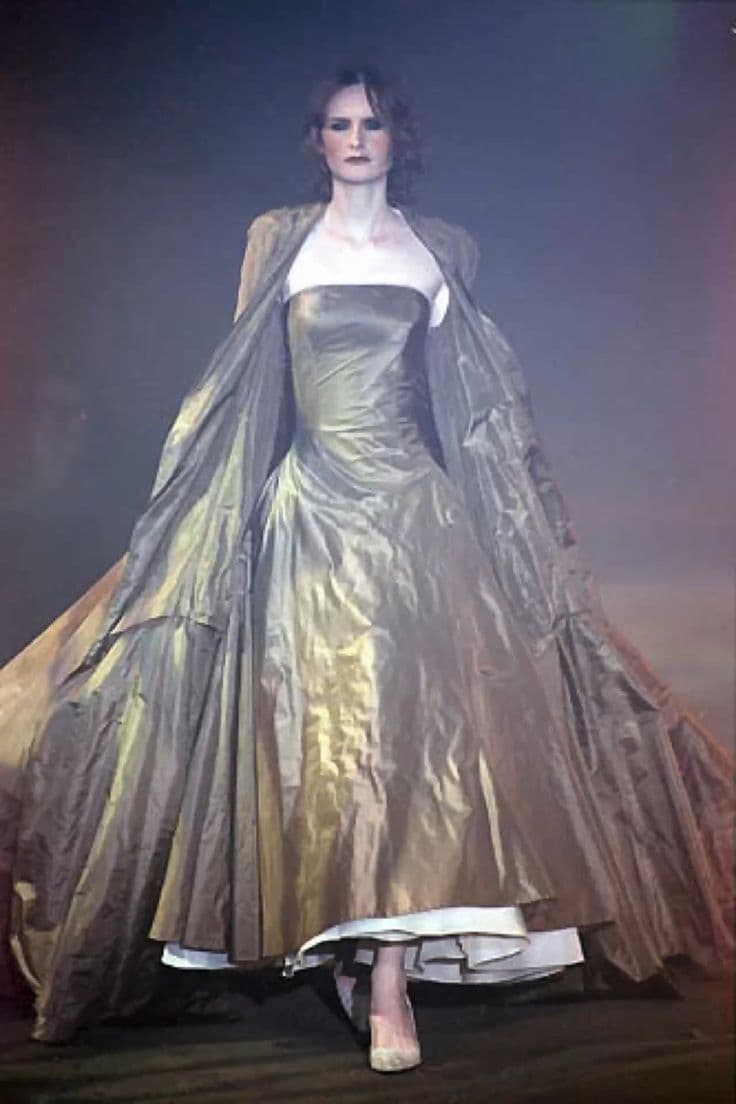
Olivier Theyskens is not easing back in quietly. Boloria will unveil its first chapter on July 5, the day before Paris Couture Week opens in Paris, and that timing says plenty: this is a designer making a play for the center of fashion’s most scrutinized week, not the sidelines. The project is headquartered in Antwerp, backed by We Are One World, the Belgian company behind Tomorrowland, and that gives Boloria an unusual kind of power for a new luxury label: cultural reach, deep infrastructure and enough scale to make buyers and editors pay attention.
The teaser imagery is disciplined and sharp, all black and white, with tailoring and deconstruction doing the talking. That visual language feels very Theyskens, and not by accident. He has always been strongest when the clothes look slightly undone and completely controlled at the same time, the kind of work that turns a seam, a collar or a broken line into a point of view. Boloria is being positioned as a newly founded house under his creative direction in collaboration with Belgian group WEAREONE.world, and the brand’s mission language leans into distinctly Belgian values like sensitivity, integrity and emotional resonance. In a market full of polished luxury sameness, that is the hook: atmosphere with structure, feeling with discipline.
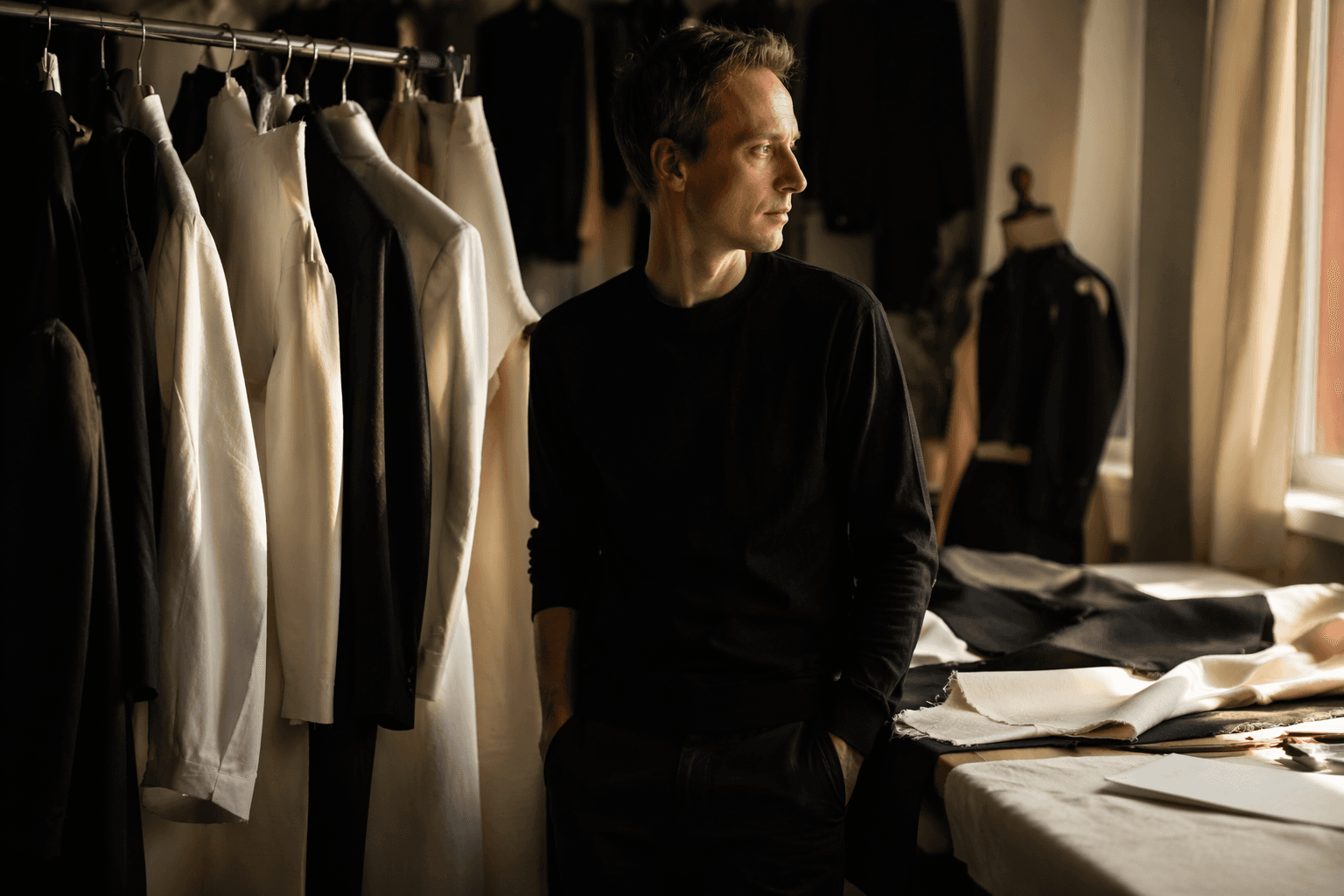
Theyskens’s history gives the launch real weight. MoMu traces him to La Cambre in 1994, then to the end of his own label in 2002, when Rochas brought him in to revive the French house. He later became creative director at Nina Ricci in 2006, and then moved through Theory and Theyskens’ Theory, building a résumé that has long made him one of Belgium’s most recognizable fashion names. He is not entering the market as a newcomer trying on a mood; he is returning as a designer whose signature has already been tested across house codes, commercial pressure and the luxury system’s appetite for distinctiveness.
The backer matters just as much as the designer. We Are One World says it has more than 200 employees and operates from Antwerp, with festival and event businesses stretching across Belgium, Brazil and France. That kind of parent company is not a traditional luxury conglomerate, and that is exactly why Boloria feels interesting. It suggests a fashion house built with entertainment-industry muscle, international logistics and a sharper sense of spectacle than most new labels can afford. In a crowded luxury landscape, Boloria’s proposition is already clear: a Belgian house with couture-week timing, a strong authorial hand, and the kind of visual restraint that can read instantly in an editor’s inbox and on a buyer’s rack.
Know something we missed? Have a correction or additional information?
Submit a Tip