Spring 2026 menswear embraces fluid tailoring, color and leisure
Spring 2026 menswear trades stiffness for ease, with Prada, Dior and a burst of color turning soft tailoring into the new commercial language.
A softer kind of authority
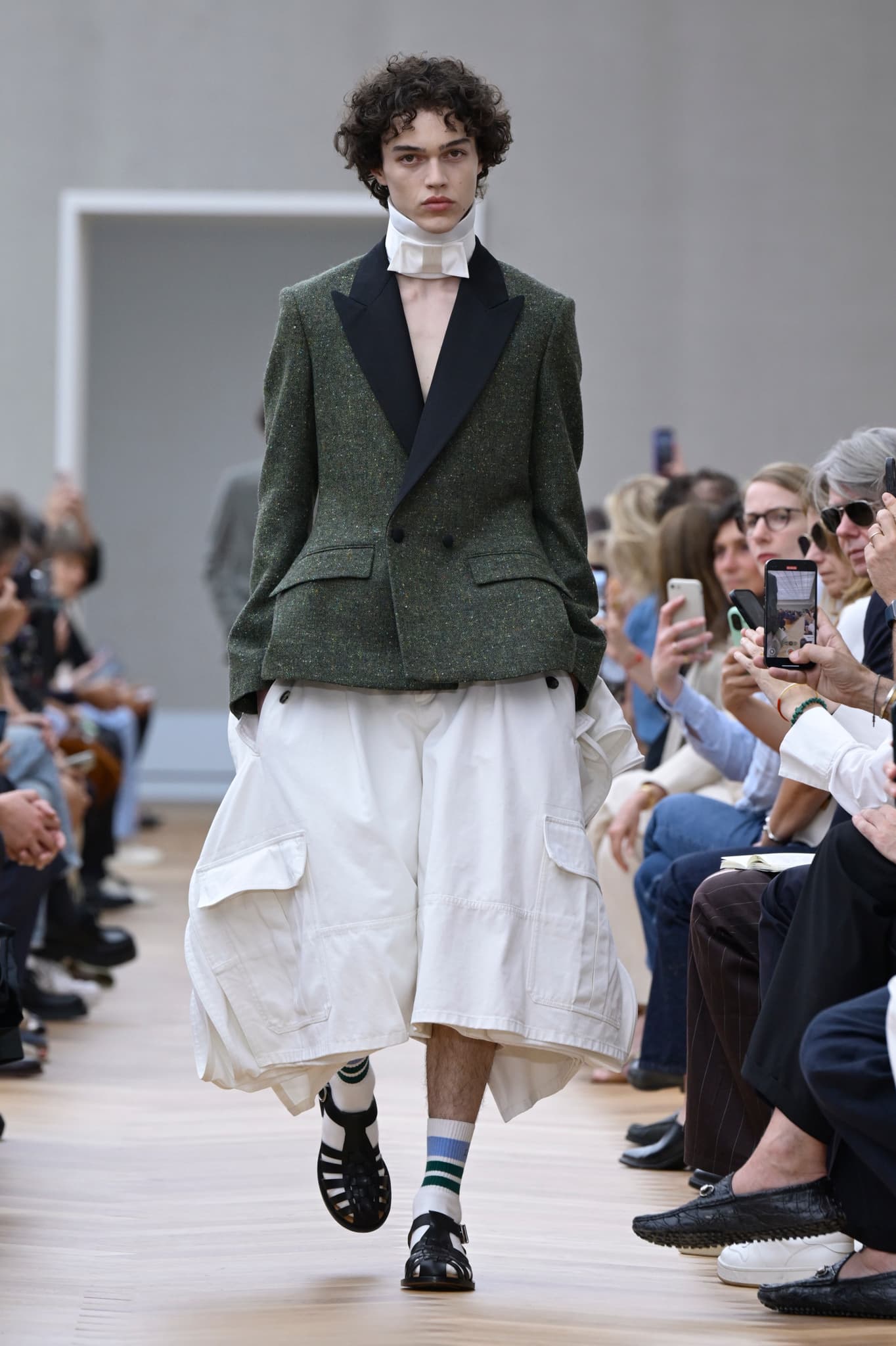
Jonathan Anderson’s Dior Homme debut in Paris put the season’s new mood in sharp relief: menswear was no longer dressing to prove discipline, but to sell ease as a form of luxury. Across Florence, Milan and Paris, the strongest collections leaned into leisure, soft power and a sense of escape, while still keeping one foot firmly in the wardrobe men actually wear.
That is what made spring 2026 feel commercially important rather than merely poetic. The season did not abandon tailoring; it loosened it, softened it and made it feel breathable. Retailers in Milan responded to that shift immediately, praising the collections for relaxed tailoring and vibrant color, with Prada singled out as a standout because it translated the idea into pieces that still looked convincingly wearable.
The silhouette got lighter, and the message got clearer
The old hard line between formalwear and streetwear kept dissolving this season. Designers pushed fluid tailoring, modular shapes and soft tailoring that skimmed the body instead of locking it in, often paired with lightweight layers that looked designed for movement, heat and travel rather than office rigidity. Pajama dressing also emerged as a serious visual code, but the smartest versions were polished enough to read as daywear, not costume.
That is the key retail takeaway. The looks that will travel furthest are not the most literal ones, but the ones that make comfort feel considered: drawstring trousers cut from elevated cloth, easy jackets with structure only where the shoulder needs it, and shirting that drapes rather than clings. Menswear is moving toward a wardrobe that signals confidence through looseness, not restriction.
Color came back with appetite
After several seasons of cleaner minimalism, the spring 2026 runways answered with real chromatic hunger. Tomato red, pistachio green, butter yellow, faded pink and cobalt blue appeared across collections in a way that felt less decorative than strategic, a reset after years of quiet neutrals and controlled restraint. These were not timid accents; they were headline colors used to change the emotional temperature of a look.
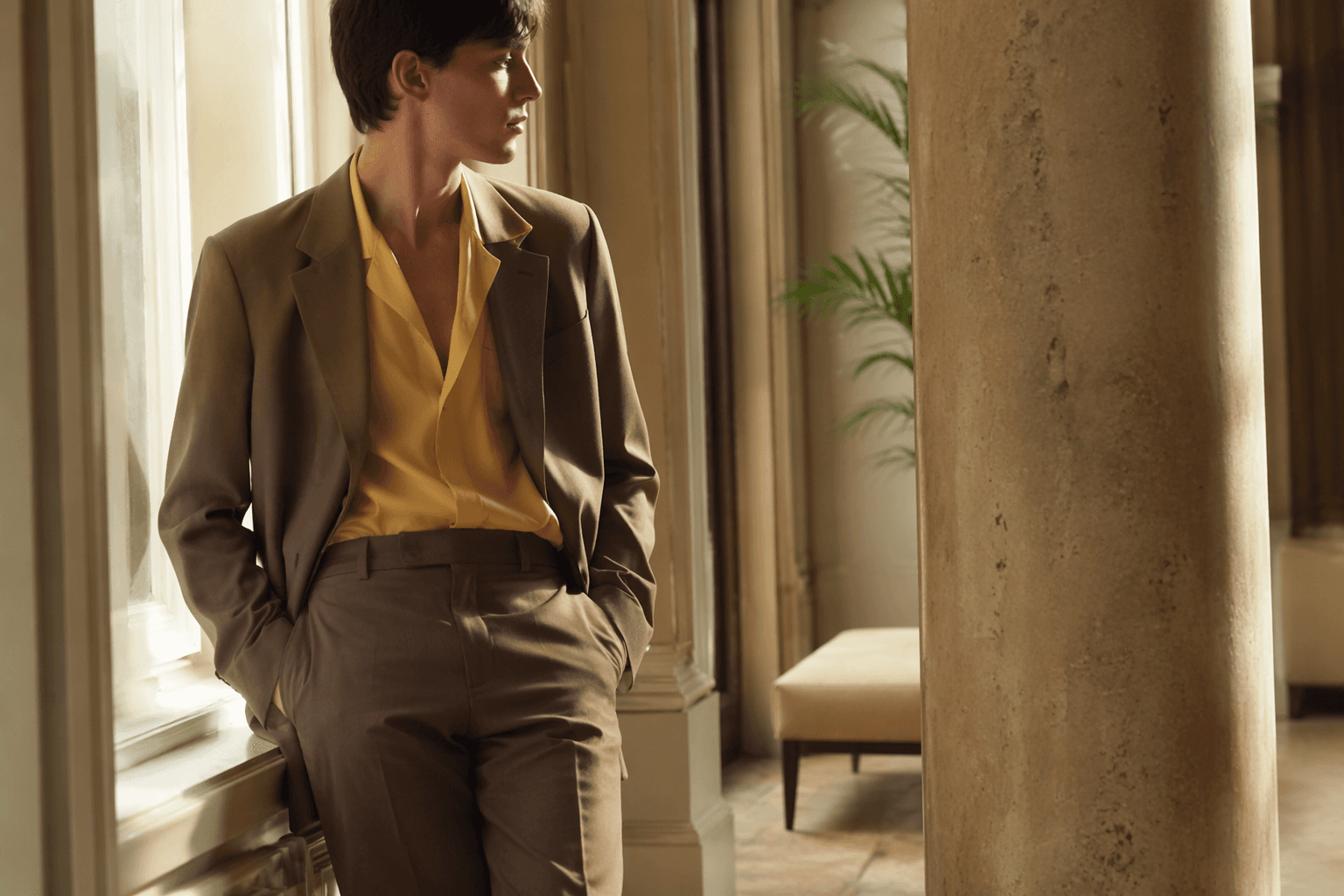
What made the palette work was the way it was applied. Bright shades sat on linen, washed cotton, crochet and light knits, materials that naturally softened the intensity and kept the clothes from feeling loud. The result was warmth-weather dressing with attitude, the kind that can move from runway to retail because it feels optimistic without demanding a complete style overhaul.
Texture did the heavy lifting
If color supplied the mood, artisanal texture supplied the credibility. Crochet, light knits and washed cotton gave the season a tactile richness that made even simple silhouettes feel considered, while linen kept the whole story grounded in summer reality. The most convincing collections understood that softness is not only about shape; it is also about hand-feel, weight and the way fabric catches light.
That detail matters for the market because texture is one of the easiest ways to translate runway energy into sellable pieces. A knitted polo in pistachio, a linen overshirt in faded pink, or a crochet layer worn under a relaxed blazer gives retailers an obvious entry point into the trend without asking customers to buy into extreme styling. This is where ease-first luxury becomes practical: the clothing looks special, but not difficult.
Why Prada and Dior mattered
Prada’s strong reception in Milan underscored how much the season valued clothes that felt intelligent, relaxed and a little unexpected. In a field crowded with easy tailoring, Prada stood out because it did not reduce softness to blandness. It treated relaxed dressing as a point of view, not a compromise, which is exactly why buyers paid attention.
Anderson’s Dior Homme debut sharpened the other half of the story. The show signaled an understated, playful and house-code-driven approach, which gave the season a clearer idea of luxury than any amount of loose tailoring alone could do. The bigger message was that men’s fashion can become lighter in touch without losing identity, and that house codes, when handled with wit, can keep ease from looking generic.
The calendar set the tempo
The season’s scale reinforced that shift. Pitti Uomo 108 ran in Florence from June 17 to June 20, 2025, opening the conversation with 740 brands, 45 percent of them international. Milan Men’s Fashion Week followed from June 20 to June 24, 2025, with nearly 80 events, including 20 fashion shows, 41 presentations and 16 events, before Paris Men’s Fashion Week took over from June 24 to June 29, 2025, listing 70 houses, among them 40 shows and 30 presentations.
Even Milan’s cityscape took part, with the men’s collections visible on municipal screens and billboards from June 19 to June 24. That public scale made the season feel less like an isolated fashion week and more like a coordinated cultural signal: the industry was broadcasting confidence at a moment when the broader economic and geopolitical backdrop remained difficult.
What will actually reach wardrobes
The ideas most likely to survive runway translation are the ones that balance attitude with utility. Relaxed tailoring will stay, because it solves a real problem for modern dressing. Pajama dressing will persist in diluted form, usually as fluid shirting, easy trousers and pajama-adjacent sets that read polished rather than theatrical.
The brighter colors will also move, but selectively. Tomato red and pistachio are strong enough to sell as statement knits, polos, outerwear and accessories, while butter yellow, faded pink and cobalt blue will likely show up in lighter, more approachable categories. The artisanal textures may prove the most influential of all, because they let brands sell freshness without forcing customers to abandon the familiar structure of a jacket, trouser or shirt.
Spring 2026 menswear is not asking men to become more formal or more casual. It is offering something more commercially persuasive: a wardrobe that feels lighter, warmer and more expressive, without losing the discipline that luxury still needs to look expensive.
Know something we missed? Have a correction or additional information?
Submit a Tip