Affordable midi dresses that capture old-money summer polish
Old-money summer polish is really a lesson in restraint, and the right midi dress can look far pricier than it is when the fabric, hem, and color all behave.

The old-money summer dress code, translated for real life
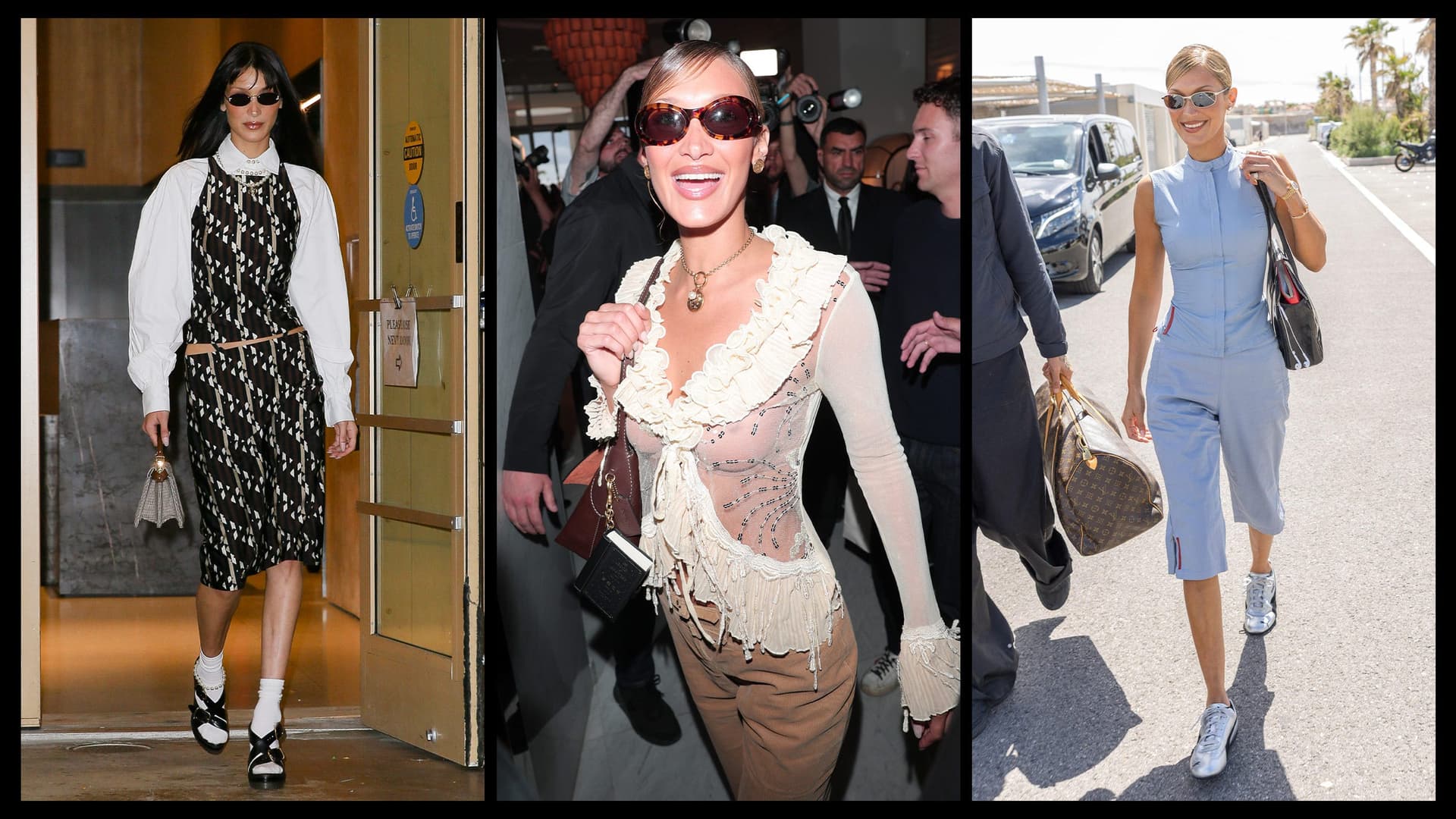
Old-money dressing works because it looks like it was chosen, not chased. CNBC framed the look in April 2024 as the new label for quiet luxury and classic prep, a mood that feels especially pointed in a post-pandemic world where wealth, taste, and restraint read as social signals. That is exactly why a midi dress makes sense here: it offers coverage, polish, and ease without the bluntness of a mini or the fuss of something overworked.
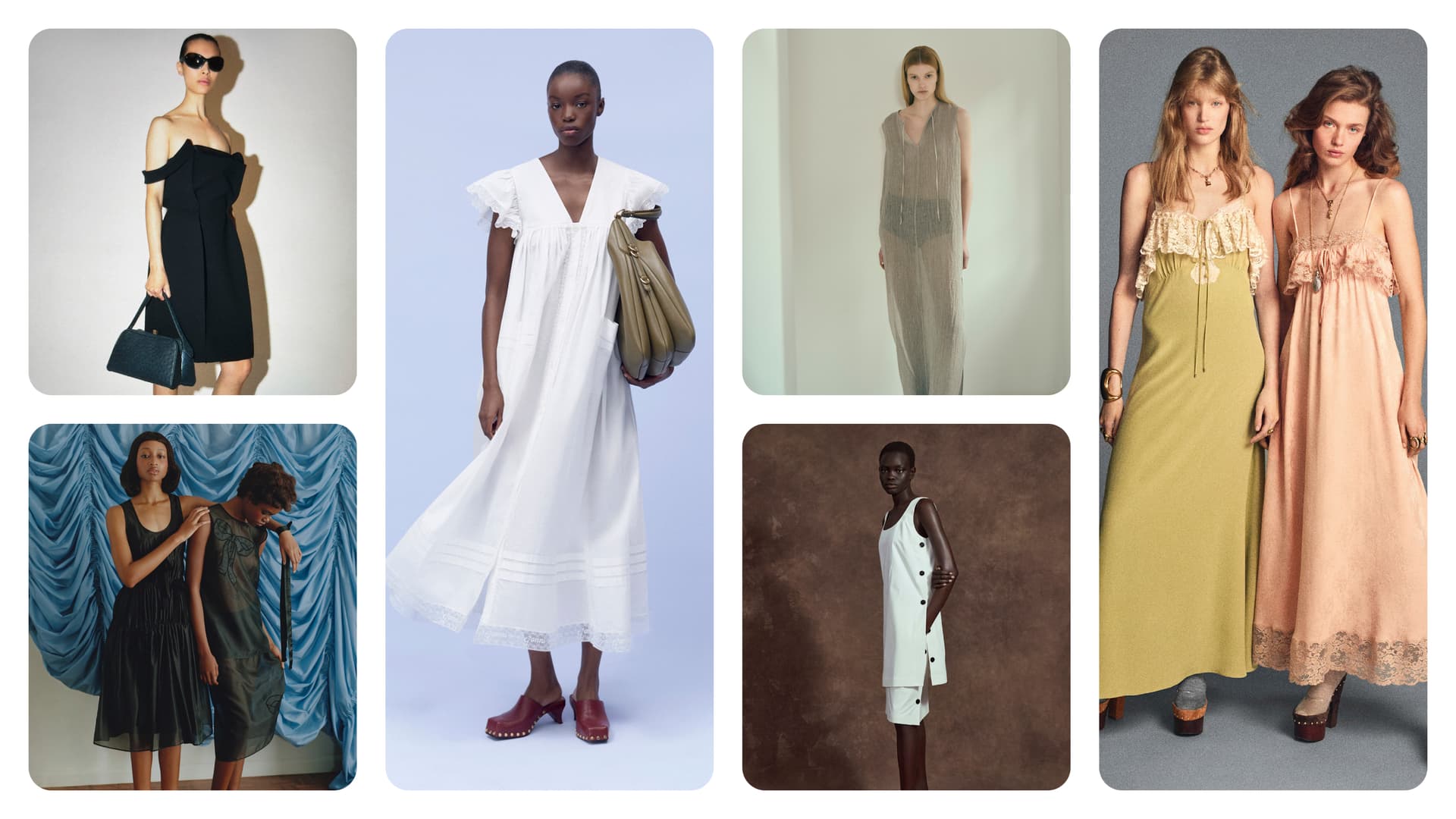
The best affordable midi dresses do not try to shout their price. They borrow the language of authority, muted color, clean lines, and a silhouette that skims rather than clings. If the dress looks like it belongs at a long lunch, a country-house weekend, or a gallery opening in heatwave weather, it is already halfway to old-money territory.
Why midi length still feels expensive
Midi hemlines have history on their side. After the miniskirt’s rise, the late 1960s and early 1970s brought the so-called hemline war, when midi lengths returned forcefully to fashion’s center of gravity. That matters now because the length itself carries a kind of composure. It covers the knee, slows the eye, and turns even a simple summer dress into something more deliberate.
That sense of deliberation is what separates a good budget buy from a dress that looks disposable. The most convincing midi hangs at a mid-calf point that feels intentional, not awkward. Too short and it loses the old-money ease; too long and it can start to look swamped, especially in lightweight summer fabric.
What to look for before you buy
The fabric should do the heavy lifting. COS is already leaning into the right idea by making its summer dresses in naturally breathable linen and cotton, with flowing mini, midi, and maxi silhouettes. That combination of breathability and structure is the sweet spot for hot weather, because it keeps the dress relaxed without making it limp.
Marks & Spencer is taking a similarly polished route with vintage-inspired tea styles, dainty florals, tiered designs, and strappy cotton pieces. The takeaway is useful: the more the dress looks like it has lineage, the more expensive it tends to read. A soft cotton poplin, a linen weave with body, or a linen blend with enough structure will usually outperform something shiny, slippery, or overly stretchy.
- A fabric with visible weave or grain, not a slick surface that catches the light badly.
- A neckline that feels composed, such as a neat square, a restrained V, or a clean strap shape.
- A hem that lands mid-calf and falls in a straight, calm line.
- Prints that are quiet, like dainty florals or small-scale motifs, rather than loud or oversized.
- A palette that stays close to cream, navy, sand, soft black, olive, or washed blue.
Look for these details:
The giveaways are just as clear. Thin jersey that clings, flimsy straps that twist, overdecorated ruffles, and bright synthetic color often make a budget dress look cheaper than it is. So do hem finishes that wobble, linings that are too short, and ruching used as a substitute for tailoring.
Where the high street is getting it right
Zara is currently showing how far an affordable midi can go when the shape is disciplined. Its summer edit includes linen and poplin styles, with several pieces priced roughly from US$47.94 to US$99.90. Among the strongest examples are the asymmetric 100% linen midi dress at US$99.90 and the ZW Collection linen blend midi dress at US$99.90. Those prices are still accessible, but the materials and cleaner cuts push them closer to the old-money brief than a trend-led floral could.
That is the real value angle here. Once a dress gets into linen, cotton, or poplin territory, the burden shifts from embellishment to silhouette. You are paying for the line of the garment, the way it moves in heat, and whether it can survive being worn with flat sandals, a woven bag, and almost no jewelry.
How to style it so it stays in the right register
The old-money read comes from editing, not addition. A midi in a restrained color does most of the work already, so the styling should stay spare and precise. Think polished flats or low-heel sandals, a leather or raffia bag without visible logos, and jewelry that looks inherited rather than newly acquired.
Avoid anything that tips the outfit into effort. If the dress is already tiered or floral, keep the accessories sharper and simpler. If the dress is plain, a better shoe or a slightly richer fabric texture becomes the luxury cue. The point is not to create an outfit that announces itself from across the room, but one that looks quietly assured up close.
The price spectrum, from high street to luxury
The category stretches far beyond the budget rail. NET-A-PORTER’s sale midi dresses run from about US$175 to US$4,500, which shows how dramatically the same hemline can change meaning once fabric, construction, and brand positioning enter the picture. That spread is useful because it reminds you what you are actually buying: not just a dress, but a reading of polish.
At the top end, the fabric and finish do much of the branding. At the budget end, the challenge is to mimic that feeling without imitation or excess. The sweet spot is a dress that looks breathable, structured, and slightly detached from fashion noise.
The old-money test for summer heat
A successful affordable midi dress does one thing especially well: it makes polish look effortless in warm weather. That is why the best versions from COS, Marks & Spencer, and Zara lean on linen, cotton, poplin, tea shapes, and calm silhouettes rather than gimmicks. They understand that old-money style is less about showing what you can afford than about wearing restraint with confidence.
When the fabric has body, the hem lands cleanly, and the color palette stays quiet, the dress earns its place. In a season built on heat, the most convincing luxury is still the one that looks cool without trying.
Know something we missed? Have a correction or additional information?
Submit a Tip