Amy Adams fronts Louis Vuitton’s Cruise 2027 at The Frick Collection
Amy Adams fronted a Cruise show that traded spectacle for museum-level polish, turning Louis Vuitton’s New York-Paris code into discreet wealth dressing.

A museum setting with a commercial point of view
Louis Vuitton made Cruise 2027 feel less like a runway stunt than a lesson in polish. The house presented Nicolas Ghesquière’s collection in New York City on Wednesday, May 20, 2026, at 6 p.m. ET, inside The Frick Collection on Manhattan’s Upper East Side, where Old Masters, Gilded Age restraint, and the city’s current rhythm met in one very controlled frame.
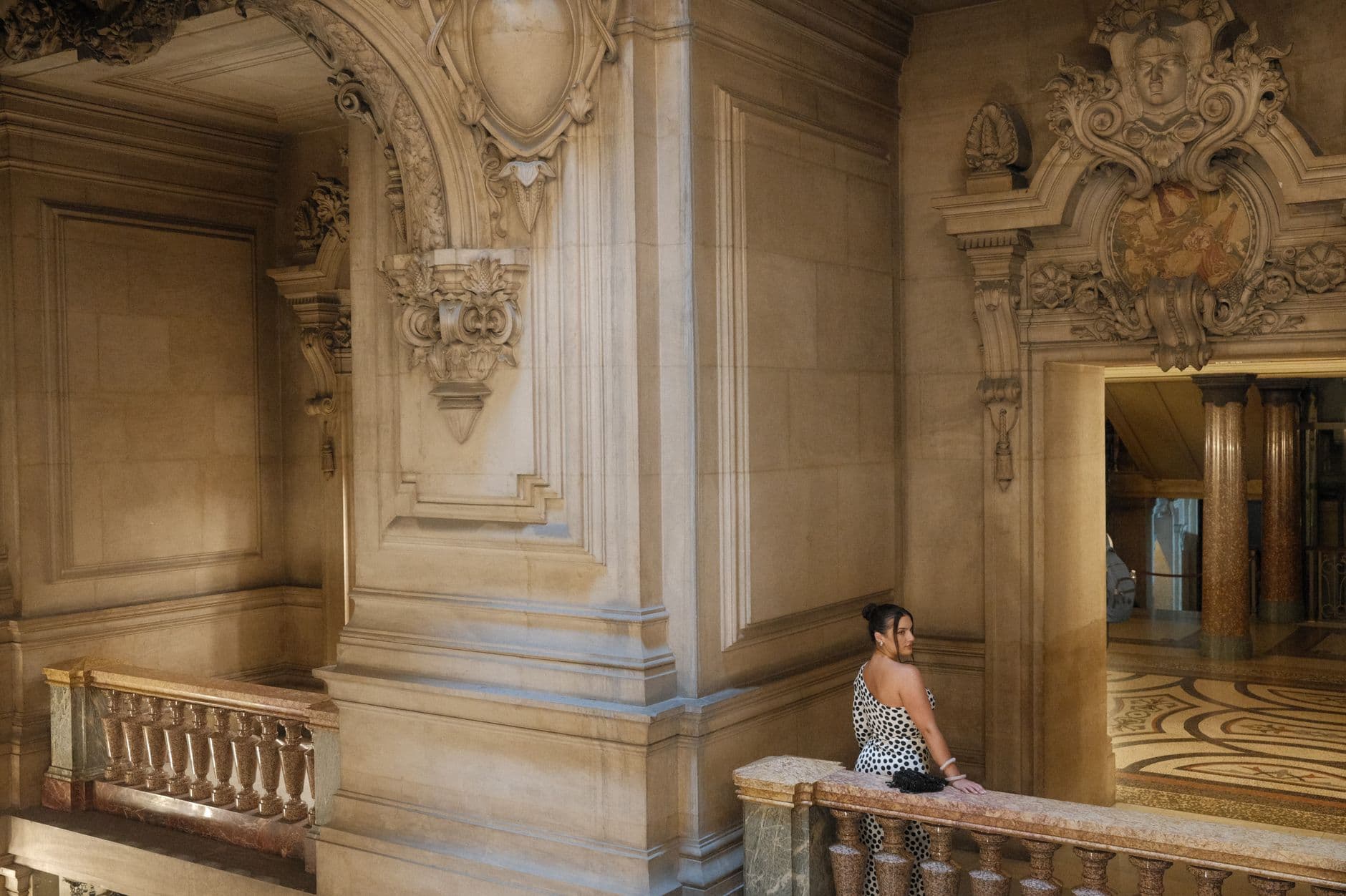
That choice mattered. Louis Vuitton cast the show as a sartorial exchange between Paris and New York, and The Frick gave the idea real architectural weight. Instead of chasing spectacle, the brand used a newly reopened historic museum space to signal cultural fluency, the kind that reads as educated, discreet, and expensive without ever becoming loud. For luxury, that is the point: the clothes are not trying to dominate the room so much as belong to the room.
The partnership with The Frick deepens that message. Beginning in May 2026 and running through 2028, Louis Vuitton is a principal cultural sponsor, supporting exhibitions, public programming, and art-historical research. The sponsorship funds three major special exhibitions, one year of Louis Vuitton First Fridays, and a two-year Louis Vuitton Curatorial Research Associate position, while The Frick also extends its free monthly evening openings. In other words, this was not just a backdrop. It was a strategic alignment between fashion and institution, one that gives luxury a quieter kind of legitimacy.
Amy Adams and the front row language of quiet wealth
Amy Adams sat among a front row that also included Zendaya, Anne Hathaway, Emma Stone, Cate Blanchett, Emily Blunt, Chloë Sevigny, Ava DuVernay, HoYeon Jung, Alicia Vikander, Jennifer Connelly, Misty Copeland, Felix of Stray Kids, Hannah Einbinder, and Anna Wintour. That is not random celebrity scatter. It is a carefully calibrated social shorthand, one that tells you the house is speaking to actresses, cultural arbiters, and style insiders in the same breath.
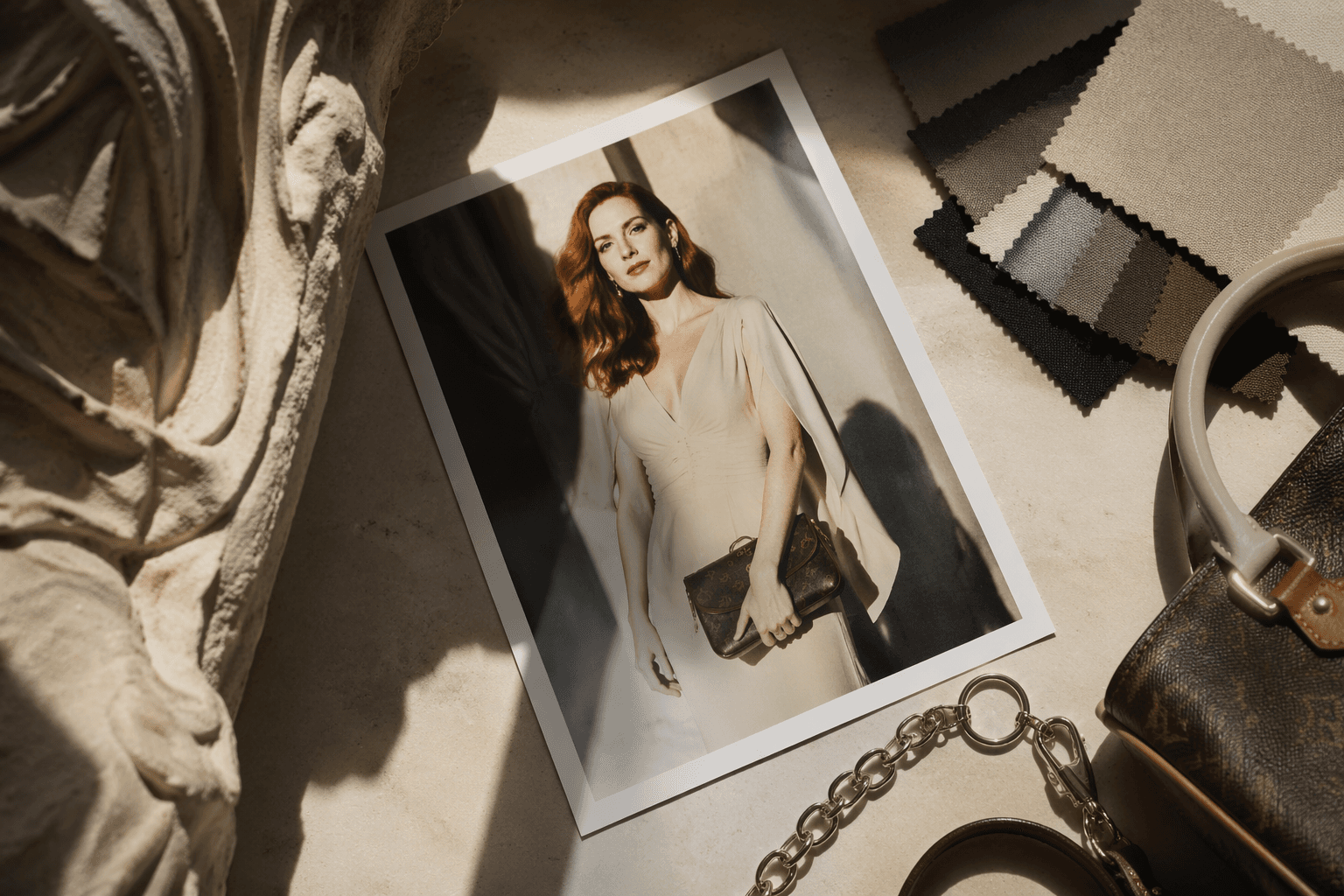
Adams, in particular, fit the mood of the evening because the mood itself was restrained. Her presence turned the event into a case study in how luxury is selling polished, understated event dressing rather than spectacle: composed, expensive, and unhurried. That is where the old-money signal lives now. Not in flash, but in a confidence that does not need to announce itself.
The visual code around a front row like this leans toward authority over performance. It suggests clothes that look right in a museum, at dinner, and on the way to a private appointment. The appeal is not youth-chasing excitement; it is the steadiness of someone who understands exactly where she is and does not need to prove it.
Cruise 2027 as city-to-resort dressing for the discreetly wealthy
The collection itself, as framed through the Louis Vuitton show page and broader coverage, played in New York’s contradictions: uptown elegance against downtown edge, Keith Haring references alongside Old Masters and pop art contrasts. That mix is what makes Cruise 2027 feel commercially sharp. It is not resort as escape fantasy; it is resort as a city-to-resort code that can move from Manhattan to somewhere warm without changing its social register.
That is a very specific kind of luxury dressing, and it is the one high-end fashion keeps circling back to. The shopper who wants discreet wealth is not looking for novelty for novelty’s sake. She wants clothes with enough structure for the city, enough ease for travel, and enough refinement to look intentional in both places. The Frick setting amplified that message beautifully, because a room full of Old Masters rewards precision, not noise.
Louis Vuitton’s American attitude came through in that balance. Paris supplied the polish, New York supplied the grit, and the collection’s cultural references gave the whole thing a little friction. Keith Haring keeps the conversation from becoming purely patrician; the Old Masters keep it from feeling too casual. That tension is exactly what makes the show readable as old money rather than influencer-era glamour.
What the old-money signal looks like now
This show is a reminder that old-money fashion has moved beyond the predictable tropes of beige minimalism. What matters now is not simply whether something is neutral or quiet, but whether it feels privately informed, culturally literate, and cut with control. Louis Vuitton chose a museum with Upper East Side pedigree, then paired it with a front row of formidable women and a collection built on Paris-New York tension. The result was prestige without theatrics.
The practical wardrobe lesson is just as clear:
- Choose clothes that can work across settings, from city appointments to resort dinners, without needing a costume change in attitude.
- Favor structure and finish over overt ornament, because the old-money look reads strongest when the silhouette does the talking.
- Look for cultural references that feel subtle rather than shouty; a nod to art history or graphic iconography lands better than a trend-heavy gimmick.
- Think in terms of polish, not display, because the new status signal is how quietly a look holds its shape.
That is why Amy Adams at Louis Vuitton mattered as more than a celebrity appearance. The image of a major fashion house inside The Frick, anchored by a front row that signaled influence rather than hype, says exactly where luxury sees demand: in discreet wealth, cultural authority, and clothing that looks as if it has already lived a little.
Know something we missed? Have a correction or additional information?
Submit a Tip