Analysts Say Chinese Buyers Embrace Quiet Luxury Over Flashy Logos
Analysts from Coresight to Bain say Chinese shoppers are trading logos for craftsmanship, and Jingdaily still expects China to be the world’s largest personal luxury market by 2030.
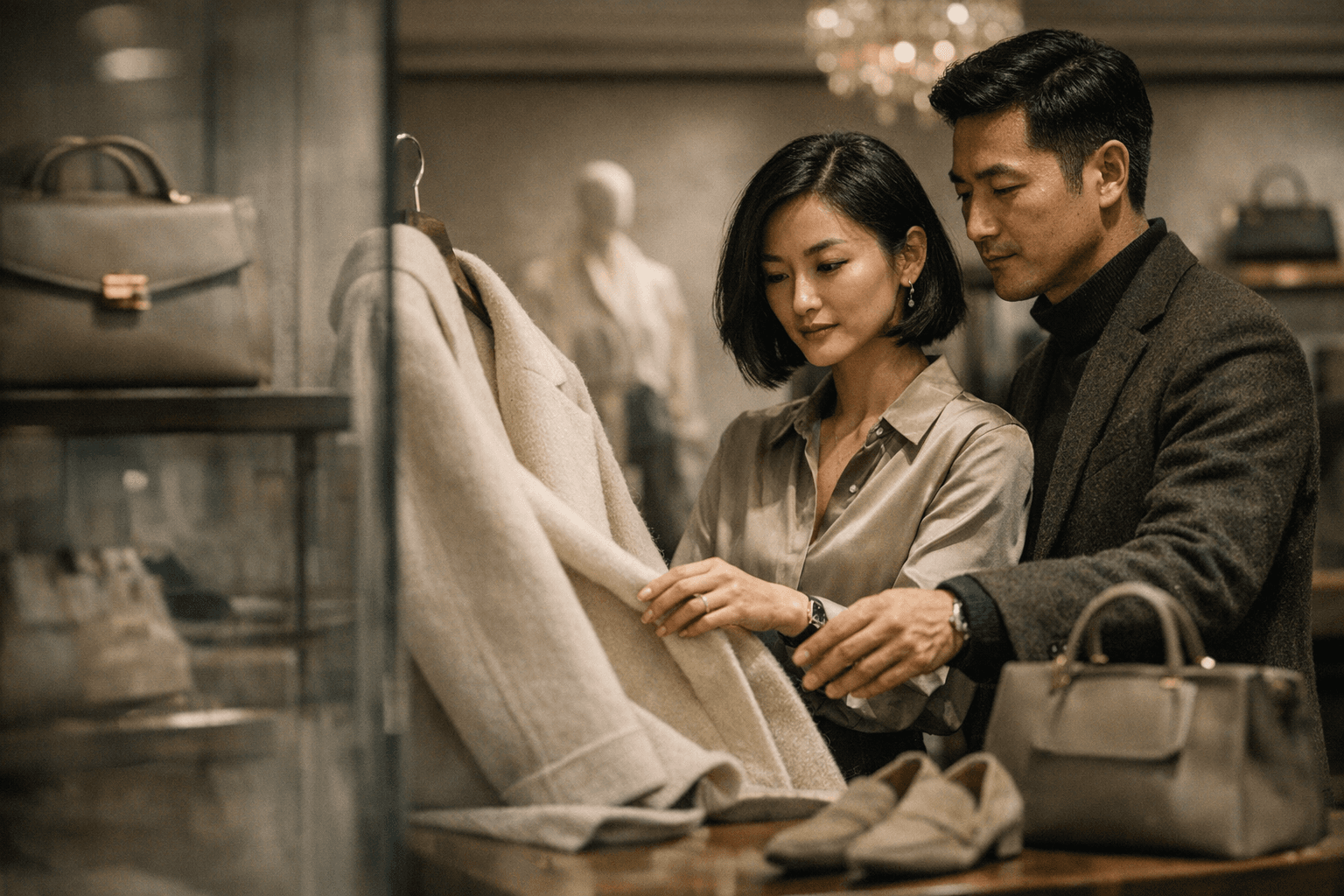
Analysts and consultancies are reframing China’s luxury market as one defined by restraint rather than spectacle. CNBC’s TechCheck segment on Feb 19, 2026 highlighted Coresight Research’s reading that “the aspirational segment of the luxury market in China is starting to do better,” and Max Kahn, Coresight’s president, told CNBC there is “still demand for Western goods” even as “much more of Chinese luxury spending is happening domestically.”
Generational change underpins the shift. Jingdaily reports that Chinese Gen Z shoppers are less interested in overt status symbols and more drawn to craftsmanship, storytelling, sustainability and “slow living”; the outlet explicitly links that mindset to a rise in “luxury shame,” and says Gen Z mixes luxury with fast fashion to create unique personal looks. Jingdaily also projects that despite recent slowdown, China is on track to be the world’s largest personal luxury market by 2030.
Industry analyses translate those tastes into tangible signifiers. China-briefing lists subtle status markers favored by sophisticated consumers: a tailored suit, an unlogoed Bottega Veneta bag, a heritage Vacheron Constantin watch. The same analysis warns brands to confront “hard truths”, slower growth, a smaller customer base and more competition, and bluntly states “Those who will thrive in 2026 are those who adjust.” Bain’s succinct warning, quoted in China-briefing, is that brands “cannot target only the top customers,” a reminder that relying solely on HNWIs risks leaving the wider market untapped.
Agencies and trend forecasters are giving the movement new vocabulary. Brillcreations calls the preference among affluent Gen Z and millennials “rational luxury,” focused on durability and craftsmanship, while WGSN observed in 2024 that “quiet luxury became aspirational not because it is expensive, but because it is coded as tasteful.” Deloitte’s 2024 Global Fashion & Luxury Report frames the highest-end customer shift toward “intellectual luxury,” where rarity, heritage and workmanship eclipse logos and hype.
Brands are already responding with product and programming. Edhec highlights Dior and Louis Vuitton folding Chinese motifs into collections; it cites Louis Vuitton’s Women’s Pre-Fall 2024 show in Shanghai in April 2024, which featured whimsical animal designs by Sun Yitian and, Edhec writes, “celebrated China’s youthful vitality while honoring Louis Vuitton’s French fashion heritage.” Historical policy context matters too: Edhec notes that the anti-corruption campaign, high import taxes and slower growth around 2012–2014 nudged brands toward discretion and made outlet villages a pragmatic tool for managing excess inventory without eroding exclusivity.
The market implications are clear and immediate. Analysts from Coresight to consultancy houses urge brands to expand beyond premium elites, invest in Tier-2 cities, experiment with experiential retail and digital engagement, and reassess pricing and customer service. With domestic spending rising, cultural currents like Guochao and the lingering influence of pop-culture aesthetics, from HBO’s Succession to TikTok’s old-money feeds in 2023–2024, have made stealth wealth a mainstream language of luxury in China. The industry’s next test is converting taste signals into durable loyalty across a broader base in 2026.
This article was produced by Prism’s automated news system from verified source data, official records, and press releases, then run through automated quality and moderation checks before publishing. The system is built and supervised by the people who set the standards it runs under. Read our full AI policy.
Did this article answer your question?