Bazaar Editors Style Repetto Flats for Polished Everyday Dressing
Repetto flats read old-money because they are built on restraint, not hype. Four Bazaar editors show exactly how to wear them with denim, shirting, cashmere, and trench coats.
Why Repetto still signals polish
Repetto works because it looks inherited, not assembled. The brand began in 1947, when Rose Repetto made her first ballet shoes in a Paris workshop near the Opéra after her son Roland Petit complained of sore feet, and that origin still gives the flats their authority. A shoe like that does not need to shout. It just needs to sit cleanly against the rest of an outfit and make everything else look considered.
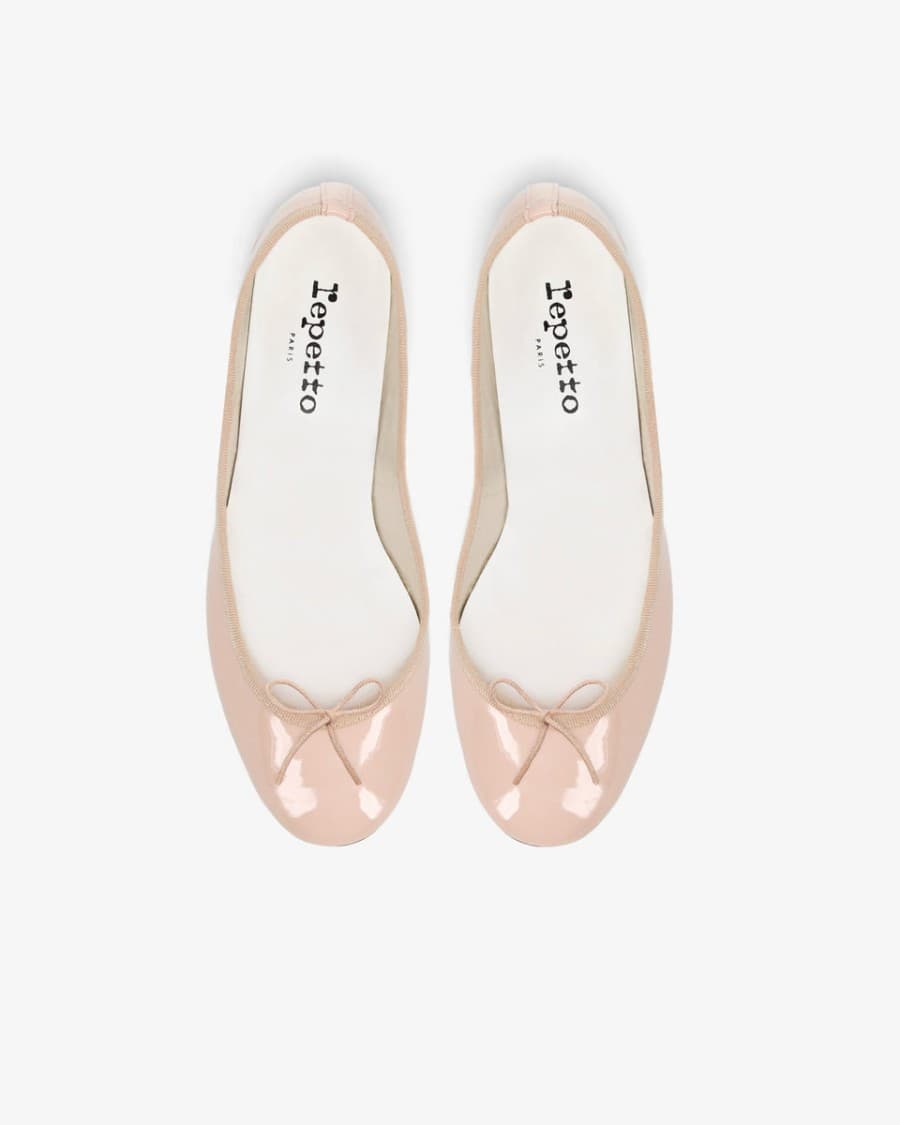
That is the point of the Bazaar editors’ spring coverage. Four editors each styled their favorite Repetto pairs, and the message was refreshingly direct: ballet flats are still doing the job of a refined everyday shoe. The version that does it best now is the Camille, a slightly heeled ballerina flat that Bazaar describes as a go-to dressy-casual option because it makes jeans look polished without trying too hard.
The Repetto language of old-money dressing
Old-money style is about restraint, inheritance, and visible discernment, and Repetto hits all three. The house launched the Cendrillon ballet flat in 1956, dedicated to Brigitte Bardot, then opened its first boutique at 22 Rue de la Paix in 1959. By 1967, Repetto says its stitch-and-return technique was established in Saint-Médard-d’Excideuil, and that detail matters because the shoe’s polish comes from craft, not decoration.
That is why Repetto feels different from the endless stream of flattened, bow-embellished, trend-chasing ballet shoes that appear every season. The line has enough history to read as heritage, but enough lightness to feel current. Bazaar’s spring 2026 coverage also points to Kaia Gerber’s capsule collection with Repetto, which is exactly the kind of cultural signal that keeps the brand in the conversation without making it feel overexposed.
The silhouette that makes denim look expensive
If you want the fastest route to old-money effect, start with straight-leg denim and a Repetto Camille. Bazaar calls the Camille a dressy-casual shoe that makes jeans look polished, and that is exactly where it earns its keep. The slight heel gives the line a little lift, so the shoe does not sink into the hem the way flimsy flats often do.
The formula is simple: rigid or clean straight-leg denim, a crisp shirting layer, and the kind of flat that reads more ballroom than brunch. Add a trench coat and the whole look sharpens immediately. The trench does what good outerwear should do in this wardrobe language: it frames, it disciplines, it keeps the outfit from tipping into preciousness.
Cashmere also plays beautifully here. A soft sweater paired with tailored denim and Repetto flats creates that specific upper-crust ease that never looks overworked. The trick is balance. The shoe is delicate, so the rest of the outfit should be structured enough to keep it grounded.
What actually works with Repetto flats
- Straight-leg denim with a crisp button-down, especially when the denim is dark enough to look deliberate.
- Cashmere knits in muted tones, which let the shoe read as refined rather than fussy.
- Trench coats and clean tailoring, because the flat needs sharp lines around it.
- Trousers that skim the ankle, which keeps the shoe visible and intentional.
The editors’ styling cues that matter
Michella Oré’s take is the most useful if you want proof that Repetto can handle real life, not just polished fantasy. She wore the Zizi oxford with punchy colored denim and fisherman pants, and said the shoes needed no break-in period. That combination sounds casual, but it works because the Zizi brings structure to looser pieces. The shoe keeps the outfit from drifting into slouch.
Leah Chernikoff’s read on the Camille is even more on point for the old-money lens. She says it feels right now because it balances coquettish and not-girlish styling. That balance is the whole game. You want softness without syrup, polish without performance, and enough restraint that the outfit never looks like it is auditioning for a trend story.
Harper’s Bazaar’s own headline, with Zizi, Camille, and Cendrillon all in one breath, tells you the brand’s range. The deck says these outfits feel just as polished as anything with a skirt or trousers, and that is the real clue: Repetto is not a novelty flat. It is a finishing piece.
The styling mistakes that kill the effect
The first mistake is leaning too precious. A ballet flat can turn twee fast if you pair it with overly frilly skirts, overly sweet accessories, or anything that looks dressed for a costume rather than a life. Repetto works best when the rest of the look has discipline. Think shirt collars, straight legs, clean coats, strong knits.
The second mistake is going too literal with the ballet reference. When the outfit starts looking like rehearsal-wear, the quiet-luxury effect disappears. You want the shoe to whisper heritage, not mime the stage. That is why denim, shirting, cashmere, and trenches keep showing up as the best partners. They make the flats feel like a choice from someone with taste, not someone chasing a costume idea.
Why the shoe still matters in 2026
Ballet-inspired footwear is clearly still part of the fashion conversation in 2026, and Repetto remains one of the classic names in the category. The Cut’s best-ballet-flats roundup places the brand among the enduring options, which reinforces what Bazaar is showing on the street: this is not a one-season revival. It is a shoe that keeps returning because it solves a real wardrobe problem.
That problem is polish without effort. Repetto flats do not need a logo to announce themselves. They need clean styling, good fabric, and a little space to breathe. Put them with straight-leg denim, crisp shirting, cashmere, or a trench coat, and they do what old-money dressing does best: they make restraint look expensive.
This article was produced by Prism’s automated news system from verified source data, official records, and press releases, then run through automated quality and moderation checks before publishing. The system is built and supervised by the people who set the standards it runs under. Read our full AI policy.
Did this article answer your question?