Britons Embrace Cost-Per-Wear Mindset, Prioritising Investment Dressing Over Trends
Seven in 10 UK adults now calculate cost-per-wear before buying clothes, with 25-to-34-year-olds leading a generational pivot toward craft and durability over trend.
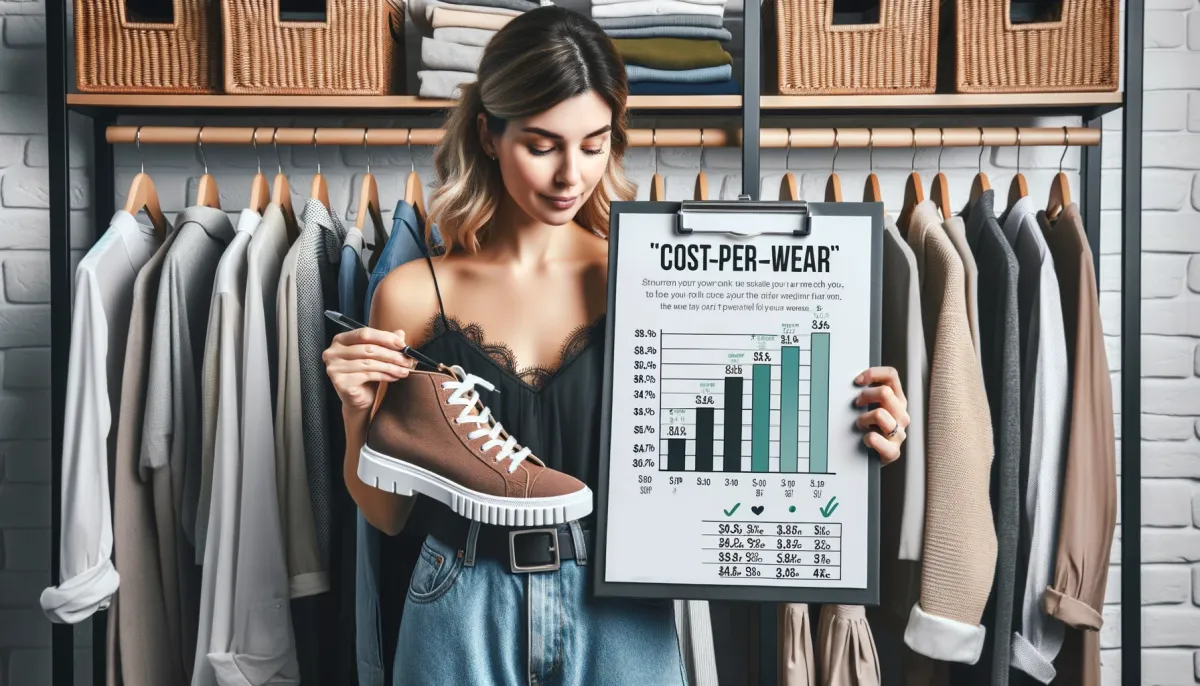
Seven in 10 UK adults now factor cost-per-wear into their clothing decisions, according to a report commissioned by Affirm of 2,000 UK adults, a finding that points to something more substantive than a heritage aesthetic moment: Britons are quietly recalibrating how they shop.
The research, which circulated in early March 2026, found that 70% of respondents consider cost-per-wear when buying clothes, while 44% say they plan purchases carefully to avoid impulse buying. Those numbers alone would be notable. But the generational breakdown is where the data sharpens into something genuinely instructive.
Among 25-to-34-year-olds, 79% apply the cost-per-wear calculation before buying, and over a third of that cohort, 36%, say they actively prioritise quality of materials and craftsmanship ahead of the upfront price tag. That is not the behaviour of a generation tutored on fast fashion and seasonal trend cycles. It is the behaviour of someone standing in a shop, running their fingers along a seam and asking how many winters this coat needs to last to justify the price.
Ruth Spratt, UK Country Manager at Affirm, described the pattern directly. "Instead of chasing trends, UK shoppers are increasingly focusing more on cost-per-wear, sustainability and long-term value, not just the price on a label," she said. "As people continue to move towards forever fashion, flexible and transparent payment options can give consumers the confidence to invest in pieces they truly love, while staying in control of their finances."
That last clause matters commercially. Almost one in five Britons (19%) said they use flexible payment options specifically to plan higher-value purchases, a figure that climbs to 27% among the 25-to-34 cohort. The implication is that the investment wardrobe is not exclusively the preserve of those who can absorb the cost of a well-cut wool overcoat in a single transaction. Pay-over-time infrastructure is actively enabling consumers to buy better and buy less, which is a different relationship with clothes than the one fast fashion built its business model on.
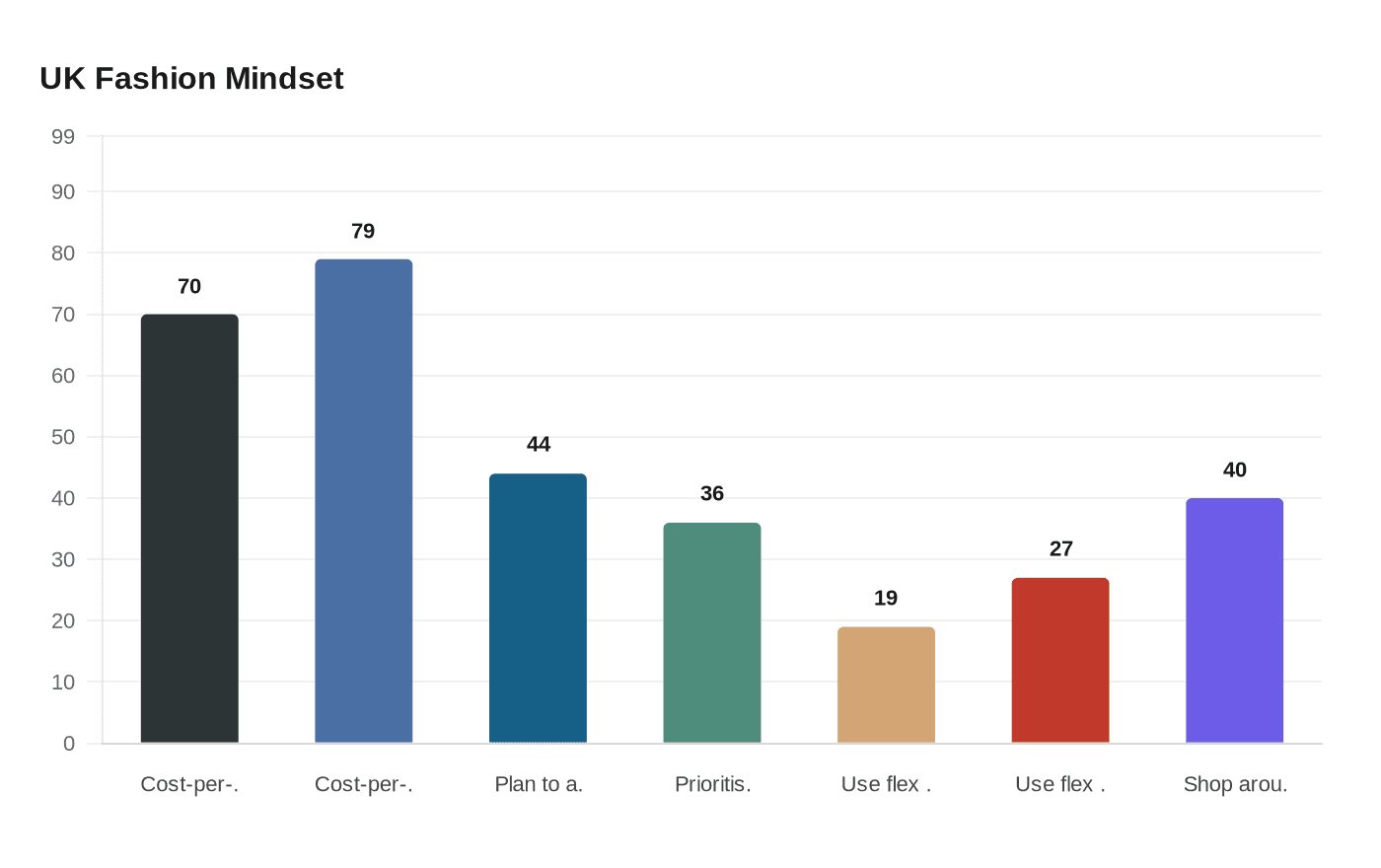
For retailers, the checkout has become an unexpected battleground. Forty percent of consumers said they are willing to shop around depending on the payment options available at checkout, making flexible payments a commercial differentiator rather than a peripheral amenity.
The pivot toward "forever fashion," as the Affirm research frames it, sits in obvious alignment with the old-money wardrobe logic that has gathered cultural momentum over the past several seasons: acquire fewer pieces, choose construction over logo, and let cost-per-wear do the arithmetic. What this survey suggests is that the logic has moved well beyond mood boards and into actual purchasing behaviour, with younger British shoppers leading the shift. The clothes may change season to season; the calculus, it seems, is here to stay.
This article was produced by Prism’s automated news system from verified source data, official records, and press releases, then run through automated quality and moderation checks before publishing. The system is built and supervised by the people who set the standards it runs under. Read our full AI policy.
Did this article answer your question?