Build the Perfect Old Money Wardrobe With These 20 Essential Pieces
Old money style isn't about logos — it's an attitude built from 20 precise pieces that signal quiet wealth better than any designer label.
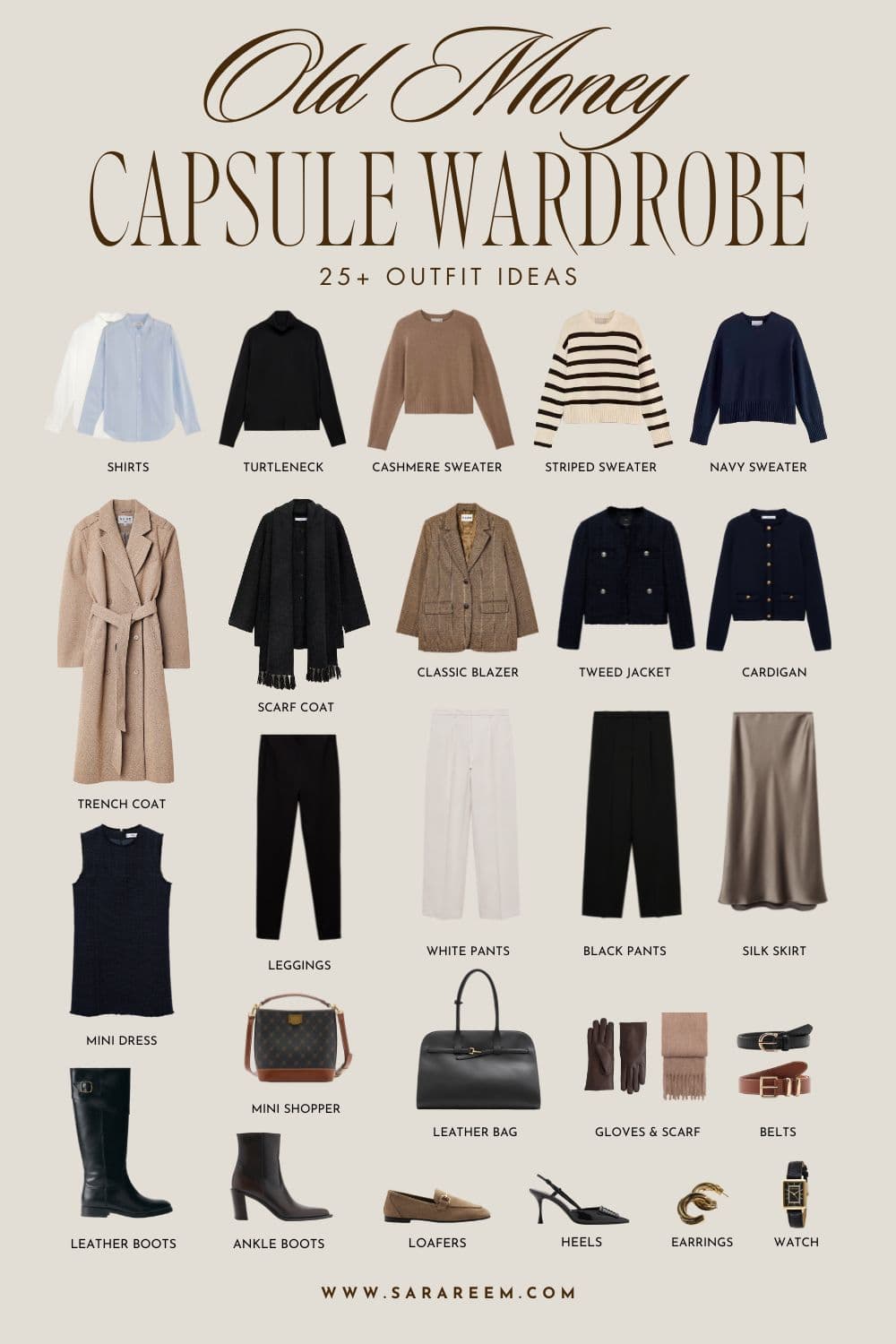
Old money dressing is not a trend cycle. It is an attitude, a studied restraint that communicates wealth without announcing it — no visible logos, no fast-fashion volume, just impeccably chosen pieces that accumulate meaning over time. The aesthetic has moved decisively from Pinterest mood boards into mainstream wardrobes, and the smartest way to build it is not by shopping seasonally but by anchoring your closet around a fixed framework of foundational pieces. What follows is that framework: 20 items that form the backbone of a genuinely considered quiet luxury wardrobe.
1. The Tailored Blazer
A single, well-cut blazer in navy, camel, or chalk does more heavy lifting than any other piece in this wardrobe. Look for structured shoulders, a suppressed waist, and natural-fiber construction — wool or a wool-cashmere blend will hold its shape and drape in ways that synthetic fabrics simply cannot replicate.
2. The Cashmere Crewneck
The cashmere crew is the old money wardrobe's workhorse. Worn over a collared shirt, tied loosely around the shoulders, or layered under a blazer, it signals effortlessness without trying. Weight matters here: a mid-gauge knit in ivory, camel, or oatmeal reads far more considered than a tissue-thin version in a trending colorway.
3. The Crisp White Dress Shirt
Nothing in fashion is as quietly authoritative as a well-pressed white shirt. The details distinguish it: mother-of-pearl buttons, a clean placket, a slightly generous cut through the body that doesn't pull at the chest. It works tucked, half-tucked, or worn open over a tee — and it forms the foundation of at least a dozen outfits in this framework.
4. The Polo Shirt
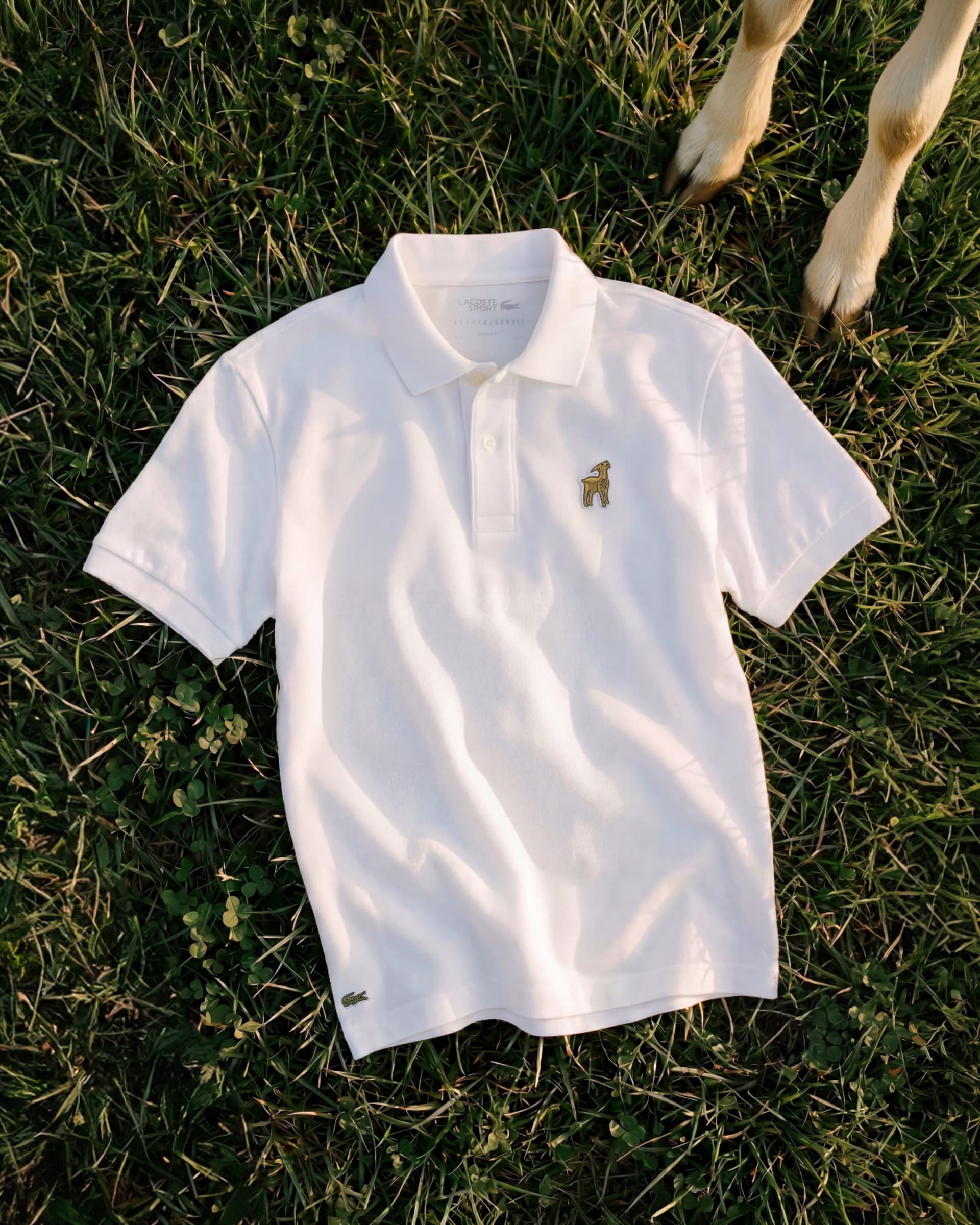
The polo sits at the intersection of sport and propriety, which is exactly why it belongs here. A piqué cotton or merino wool version in white, navy, or forest green reads as effortlessly patrician whether worn tucked into chinos or layered under a cable knit in autumn.
5. The Oxford Button-Down
Where the dress shirt is formal authority, the Oxford button-down is relaxed confidence. The soft collar, the basket-weave texture of the fabric, the way it rumples slightly by afternoon — all of it communicates someone who dresses well without laboring over it. Light blue or white are the only colors worth owning.
6. The Silk Blouse
For women's wardrobes, a fluid silk blouse in ivory or champagne is the equivalent of the white dress shirt: endlessly versatile, immediately elevated. The drape of real silk, as opposed to polyester satin, is unmistakable — it moves differently, catches light differently, and improves with age.
7. The Straight-Leg Trouser
Old money trousers are never too slim and never too wide. A straight leg in wool crepe or a cotton-linen blend, cut to graze the top of the shoe, is the correct silhouette. Camel, stone, and charcoal are the palette; pressed creases are non-negotiable.
8. The Dark Wash Straight-Leg Jean
Denim earns its place here only in its most disciplined form: dark indigo, minimal distressing, a clean straight leg. Paired with a tucked Oxford and loafers, dark jeans communicate the kind of casual ease that comes from knowing exactly what you're doing.
9. The Chino
The chino is the bridge between the formality of wool trousers and the casualness of denim. In khaki, stone, or olive, with a clean fit through the thigh and a tapered-but-not-tight leg, chinos anchor the most wearable outfits in this entire wardrobe framework.
10. The Pleated Midi Skirt
A midi-length skirt with fluid pleats — in silk, satin, or a lightweight wool blend — captures the old money aesthetic in a single silhouette. The length is key: it falls between the knee and the ankle, conveying modesty and movement simultaneously. Neutral tones or subtle patterns keep it perpetually relevant.
11. The A-Line Wrap Dress
The wrap silhouette flatters nearly every body and photographs beautifully, which partly explains its enduring presence in quiet luxury wardrobes. In a muted floral or solid muted tone, it moves from garden party to restaurant lunch without adjustment.
12. The Cashmere or Merino Turtleneck
When the temperature drops, the turtleneck replaces the crewneck as the quiet luxury baseline. A fine-gauge merino or cashmere roll-neck in camel, cream, or charcoal layers seamlessly under blazers and coats, adding warmth without adding bulk.
13. The Cable Knit Sweater
The cable knit is heritage dressing at its most literal — a nod to Aran fishermen and New England prep schools simultaneously. In cream or oatmeal, it reads as genuine rather than costume, especially when the wool has real texture and weight rather than the synthetic smoothness of a fast-fashion version.
14. The Trench Coat
No outerwear piece has a stronger association with understated authority than the trench. Double-breasted, belted, in a khaki or camel gabardine, it photographs as the same coat it has always been — which is precisely the point. It should be long enough to hit mid-calf for maximum elegance.
15. The Wool Overcoat
The wool overcoat is the trench's more formal counterpart. A double-faced wool version in camel or charcoal, cut long and worn open, is the outer layer that transforms even simple underneath pieces into something intentional. This is the piece worth spending significantly on: a good overcoat lasts decades.
16. The Quilted Vest or Gilet
The quilted gilet sits in the sporty-country register of old money dressing, evoking equestrian estates and morning walks on the grounds. In navy or olive, worn over a cashmere crewneck with straight-leg trousers, it is one of the most recognizable silhouettes in the quiet luxury vocabulary.
17. The Leather Belt
The details close the argument. A slim leather belt in tan or cognac, with a simple gold or silver buckle and no visible branding, ties together the trouser-and-shirt combinations that make up half this wardrobe. The quality of the leather tells the story: firm, smooth, and unbuckled at the end of the day without creasing.
18. The Silk or Cashmere Scarf
A silk scarf tied at the neck or draped over the shoulders adds the kind of studied casualness that the old money aesthetic lives on. In a subtle print or a solid neutral, it functions as both accessory and layer — and signals, more than almost anything else in this list, that dressing is something you take seriously.
19. The Leather Loafer
The loafer is the old money shoe. In tan, chocolate, or black calfskin, with a horsebit or a clean penny slot, it works with everything from dark jeans to wool trousers. The sole should be leather, the construction Goodyear-welted where possible — both details contribute to the way a proper loafer ages into something better than it started.
20. The Classic Leather Handbag or Tote
The final piece is the bag that carries the wardrobe. A structured leather tote or top-handle bag in camel, tan, or navy, made from full-grain leather with clean hardware and no logo in sight, completes the quiet luxury picture. It should be large enough to be practical and proportioned well enough to look deliberate.
The underlying logic of this framework is restraint with intention. Each of these 20 pieces connects to every other piece in the list, which means a wardrobe built from them doesn't require constant refreshing or seasonal additions. The old money aesthetic has always been about investing once and wearing forever, and that is exactly what this capsule makes possible.
This article was produced by Prism’s automated news system from verified source data, official records, and press releases, then run through automated quality and moderation checks before publishing. The system is built and supervised by the people who set the standards it runs under. Read our full AI policy.
Did this article answer your question?