Burberry leans into British heritage to win over American luxury buyers
Burberry is selling the Cotswolds as luxury code, betting American buyers will pay for British heritage that feels inherited rather than branded.
The new Burberry fantasy
Burberry is no longer leaning on Britishness as a backdrop. It is turning place itself into the product, packaging the Cotswolds, the trench coat and the house check as shorthand for old money ease that American luxury buyers can instantly decode. The pitch is unusually shrewd: not London polish, but the softer, more expensive fantasy of country-house confidence, where status is worn as lightly as a scarf and as deliberately as a raincoat.

That matters because Burberry is testing whether heritage can be monetized without looking costume-like. For the U.S. customer who wants the “Hamptons of England” mood, the brand has to sell more than nostalgia. It has to prove that the signal system still works in product, in imagery and in store experience, or the whole exercise becomes branding theater dressed up as a commercial reset.
Burberry’s numbers give the strategy real weight
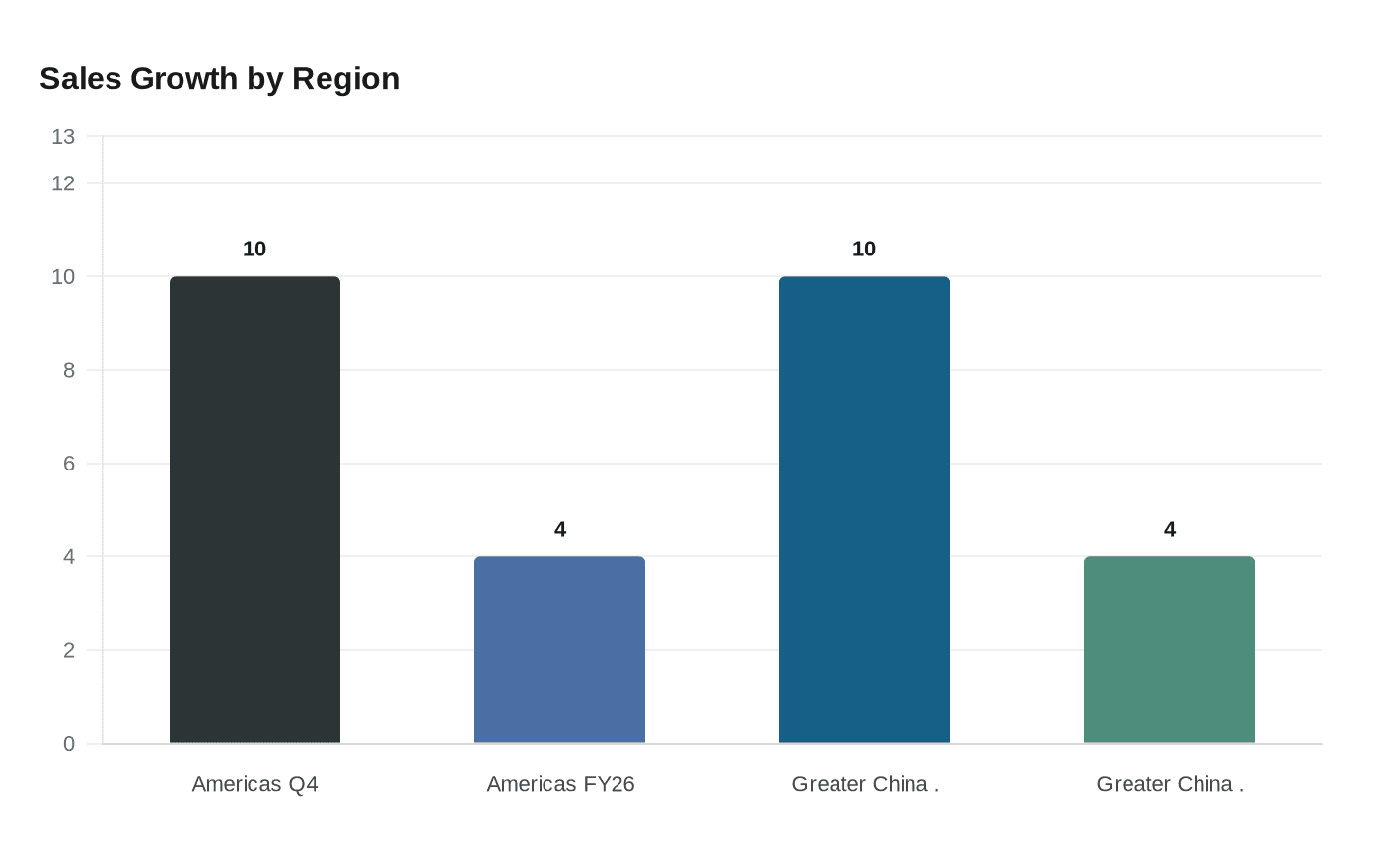
The company’s FY26 preliminary results, released on May 14, 2026, show that this repositioning is happening alongside a genuine business recovery. Burberry returned to profitable comparable sales growth, with group comparable retail sales up 5 percent in Q4. The Americas rose 10 percent in Q4 and 4 percent for FY26, while Greater China also grew 10 percent in Q4 and 4 percent for the year.
Those figures matter because they suggest the heritage play is not just aesthetic housekeeping. Burberry reported FY26 revenue of £2.420 billion, adjusted operating profit of £160 million, adjusted operating margin of 6.6 percent, free cash flow of £141 million and £80 million of cost savings. In investor language, that sits inside “Burberry Forward,” the company’s strategic plan to reignite brand desire, improve performance and drive long-term value creation by reconnecting the label with its original purpose and sharpening the product and customer mix around “Timeless British Luxury.”
Why the trench still carries the house’s authority
Burberry has one advantage that most brands chasing quiet wealth do not: its icons are not borrowed references, they are foundational assets. The house says its trench coat has been a wardrobe staple for more than a century, the Burberry Check first lined raincoats in the 1920s and became the brand’s icon in the 1960s, and the original Equestrian Knight Design dates back to a public competition around 1901. That kind of lineage is hard to fake and easy to merchandise if the execution stays disciplined.
This is why the March campaign, “The Trench, Portraits of an Icon,” is so important. Created for Burberry’s 170th anniversary, it featured 23 figures from film, music, sport and fashion, using star power to reassert the trench as a symbol of British culture rather than a utilitarian coat with a famous label. In old-money terms, the message is not novelty; it is continuity. The coat is presented as something inherited, lived in and recognized across generations.
Retail is where the heritage story has to become tangible
Burberry’s retail moves show it understands that icons need staging. The company launched 200 scarf bars in FY26 and plans to roll out polo galleries and trench destinations in FY27, a format that turns the store into a gallery of signatures rather than a generic luxury floor. That is smart merchandising, because scarves and outerwear are the most legible entry points into the Burberry universe, and they can carry more emotional weight than a logo-heavy handbag.
The challenge is that old-money consumers are unusually sensitive to presentation versus substance. They will respond to brushed wool, dense gabardine, elegant drape and a check placed with restraint; they will not forgive heritage theatrics if the garment does not justify its price. Burberry’s retail strategy needs to feel more like a private-club wardrobe and less like a museum shop.
The Cotswolds is the code American buyers are being asked to buy into
The Cotswolds gives Burberry the perfect class-coded shorthand. The region stretches across about 800 square miles in Gloucestershire, Oxfordshire, Warwickshire, Wiltshire, Worcestershire and parts of Somerset, and its image has been shaped by celebrities, wealthy homeowners and international tourists. For an American shopper, it reads as England’s answer to tasteful seclusion: all dry stone walls, soft green fields and weekend houses that look inherited, not acquired.
That is why the Cotswolds handbag landed with such force. One local report said it hit a “sweet spot” with American customers, and Joshua Schulman said North American Mother’s Day shoppers responded strongly to vintage check introductions and Cotswolds lines. Burberry reportedly replaced its Knight bag, with some versions retailing above £2,400, with the Cotswolds collection priced around and under £2,000, which makes the new line feel like a more accessible point of entry while still preserving the aura of scarcity.
What old-money buyers will actually read from this shift
For U.S. old-money consumers, the question is not whether Burberry can tell a better story. It can. The question is whether the story lands as a useful wardrobe signal, a well-priced status marker and a believable expression of inherited taste. If the brand gets that balance right, the trench, the scarf and the Cotswolds bag become part of a modern uniform of quiet wealth and authority.
Burberry’s bet is that heritage still matters, but only when it is worn with precision. If the material quality, imagery and retail architecture all speak the same language, the company can turn British place-coding into repeat business, not just attention. If not, the Cotswolds will remain exactly what it risks becoming: a beautifully staged fantasy that American buyers admire from a distance but do not fully make their own.
Know something we missed? Have a correction or additional information?
Submit a Tip