Cannes opens with French-forward couture and polished red-carpet glamour
Cannes began with couture that whispered status instead of chasing attention, and the strongest looks leaned on heritage, tailoring, and restraint.
French-house glamour sets the tone
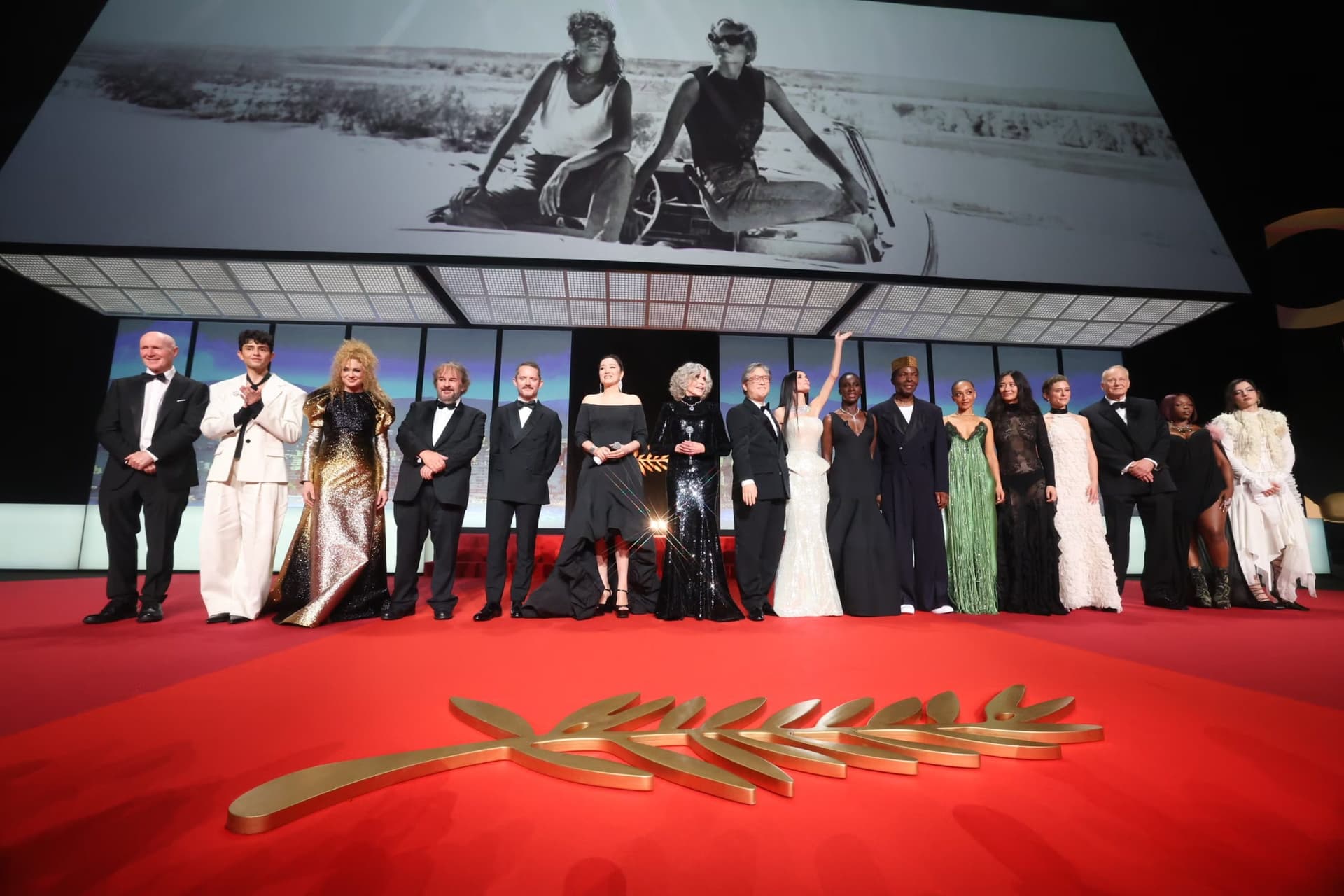
Cannes opened the way the festival still does best: with clothes that read as cultural capital first and spectacle second. On May 12, 2026, at the Grand Théâtre Lumière, the 79th Festival de Cannes began with a red carpet that felt disciplined, polished, and pointedly French-forward, where couture, fine jewelry, and tailoring did the heavy lifting. In a season when too many carpets depend on shock, Cannes still rewards the old-money logic of discretion: the best-dressed guests look expensive because they look inevitable.
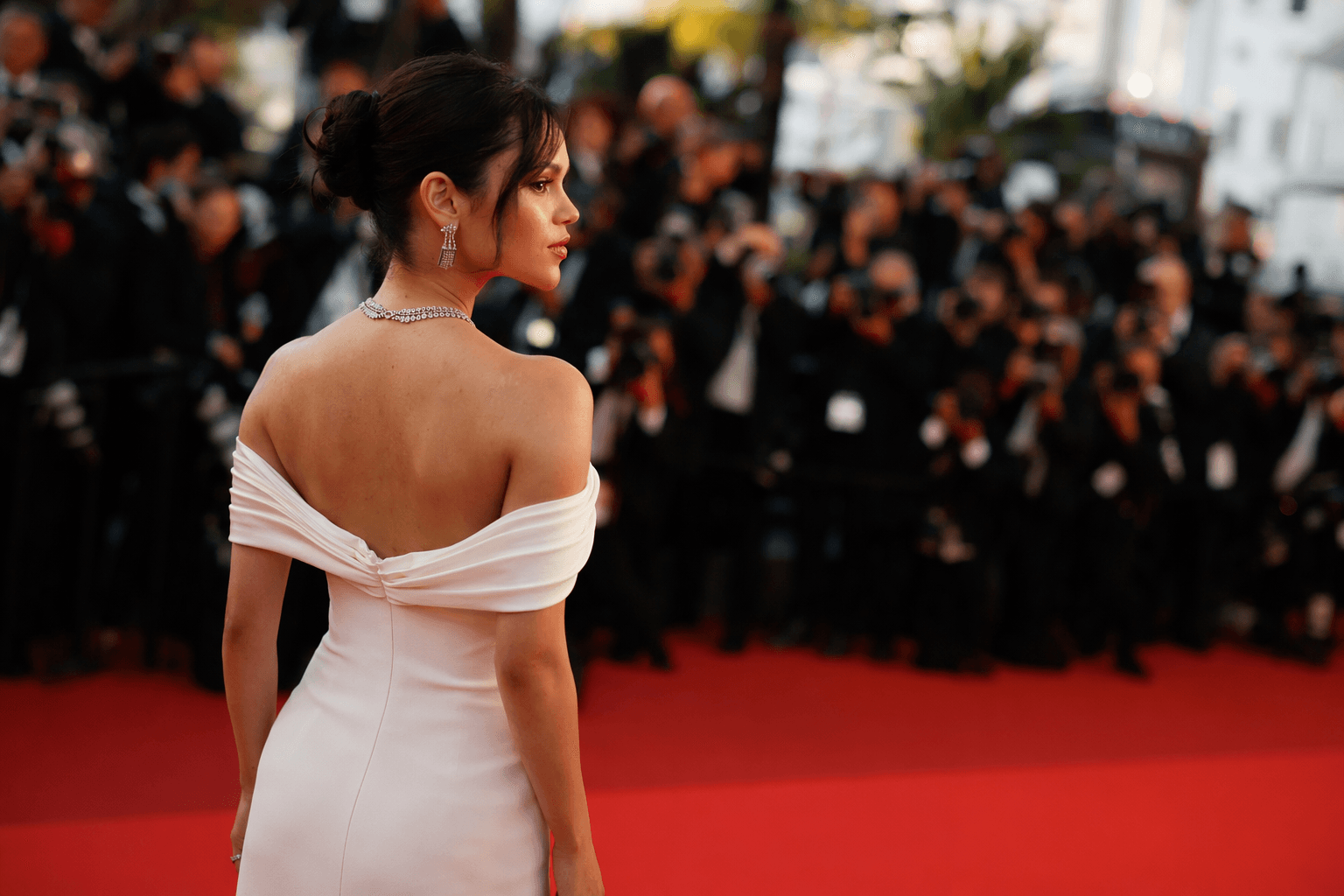
That is the particular elegance of Cannes. It remains one of the last red carpets where pedigree matters as much as virality, and where French-house dressing functions almost like a social credential. When the clothes come from Dior, Saint Laurent, or Jacquemus, they do more than flatter the body. They signal access to a house vocabulary built on cut, proportion, and polish, the kind of authority that never needs to announce itself too loudly.
The opening ceremony favored control over excess
The ceremony itself reinforced that mood. Eye Haïdara hosted the evening, joined on stage by violinist Miri Ben-Ari, and the program nodded to Godard as it welcomed the festival’s 79th edition. The result was not just a ceremonial kickoff but a declaration of taste: Cannes still knows how to frame fashion inside film culture, rather than letting fashion swallow the room. That distinction matters, because the most compelling red-carpet moments here always seem to belong to the cinema world first and the trend cycle second.
The clearest example was Demi Moore, whose sculptural white sequined bustier gown carried the kind of formal precision Cannes loves. The silhouette did what old-money dressing does best: it shaped the body without straining for attention, letting the architectural bodice and luminous surface speak in a lower, more persuasive register. It looked built, not improvised, which is exactly why it landed with such force.
Ruth Negga’s appearance in Jonathan Anderson for Dior followed the same logic, though with a sharper, more fashion-forward intelligence. Anderson’s Dior has a way of translating house heritage into something modern and exacting, and Negga wore that balance beautifully. The effect was polished rather than precious, refined rather than ornate, the kind of red-carpet styling that feels aware of tradition but never trapped by it.
Park Chan-wook, in Saint Laurent, brought the men’s side of the equation into focus. His look underscored that Cannes formality is not only for gowns. It is also about tailoring that sits cleanly on the body, about a silhouette that respects the event’s seriousness, and about dressing like someone whose presence in the room is already established. That is old-money style at its most persuasive: no theatrics, no over-explaining, just authority.
Why Cannes still rewards restraint
Cannes’ own dress code sharpens that aesthetic even further. The festival prohibits nudity on the red carpet and elsewhere in the event, and it does not permit voluminous outfits, especially those with large trains, because they interfere with traffic flow and seating in the theater. Those rules can feel restrictive elsewhere, but at Cannes they create a remarkably elegant pressure toward discipline. Without oversized gimmicks or engineered disruption, the strongest looks must win through proportion, fabric, and finish.
That is why the night’s emphasis on structured couture and polished glamour felt so right. When the silhouette is controlled, the craftsmanship comes forward: the curve of a bustier, the sharpness of a shoulder, the glide of a skirt that moves instead of overwhelms. The most successful Cannes dressing often feels heirloom-minded, as if it had been made for a family archive rather than an algorithm. It is fashion that assumes longevity, not instant noise.
The broader effect is a red carpet that understands luxury in the classic sense. Fine jewelry does not compete with the gown; it punctuates it. Tailoring does not perform for the camera; it gives the body authority. Even the most decorative moments at Cannes tend to look expensive because they are edited, and because they trust form over fuss.
The jury elevated the stakes
The jury context made these appearances especially resonant. Demi Moore and Ruth Negga are both part of the 2026 Cannes feature-film jury, and Park Chan-wook is serving as jury president. That matters because jury members are not simply celebrities passing through for a photo call. They are part of the festival’s decision-making apparatus, which gives their clothing an added layer of meaning. They have to look like taste-bearers, not just attendees.
At Cannes, that distinction shapes everything. A jury member in impeccable tailoring or a sculptural evening dress is not merely participating in the pageantry. They are embodying the institution itself, and Cannes has always prized that blend of polish and seriousness. The result is a rare kind of glamour that feels tied to the film world’s hierarchy, where elegance can still read as legitimacy.
Jacquemus also belongs in that conversation, even when the reference is less about a single look than about the broader French-house atmosphere surrounding the opening. Alongside Dior and Saint Laurent, it helped define a red carpet that felt unmistakably local in its luxury, rooted in French style codes that Cannes continues to valorize. That localism is part of the event’s appeal: the fashion looks like it understands where it is.
What the rest of Cannes will continue to test
The opening ceremony only set the parameters. The 79th Festival de Cannes runs through May 23, 2026, with screenings, photocalls, press conferences, and ceremonies still to come, and that full calendar will continue to reward the same instincts visible on night one. Cannes is not a single carpet but a sustained exercise in presentation, where the stakes shift from arrival to endurance. The best-dressed figures will be the ones who can keep their glamour controlled, coherent, and unmistakably invested in craft.
That is what makes Cannes such an enduring fashion reference point for old-money style. It is not about looking rich in a loud, newly acquired way. It is about looking seasoned, house-trained, and secure in the codes of luxury. In Cannes, the clothes that matter most are the ones that look like they belong to the institution already.
This article was produced by Prism’s automated news system from verified source data, official records, and press releases, then run through automated quality and moderation checks before publishing. The system is built and supervised by the people who set the standards it runs under. Read our full AI policy.
Did this article answer your question?