Chanel, Gucci and Loewe revive old-money accessories for spring 2026
Chanel, Gucci and Loewe are leaning into accessories with real pedigree, where the hardware and silhouette matter more than the logo flash.
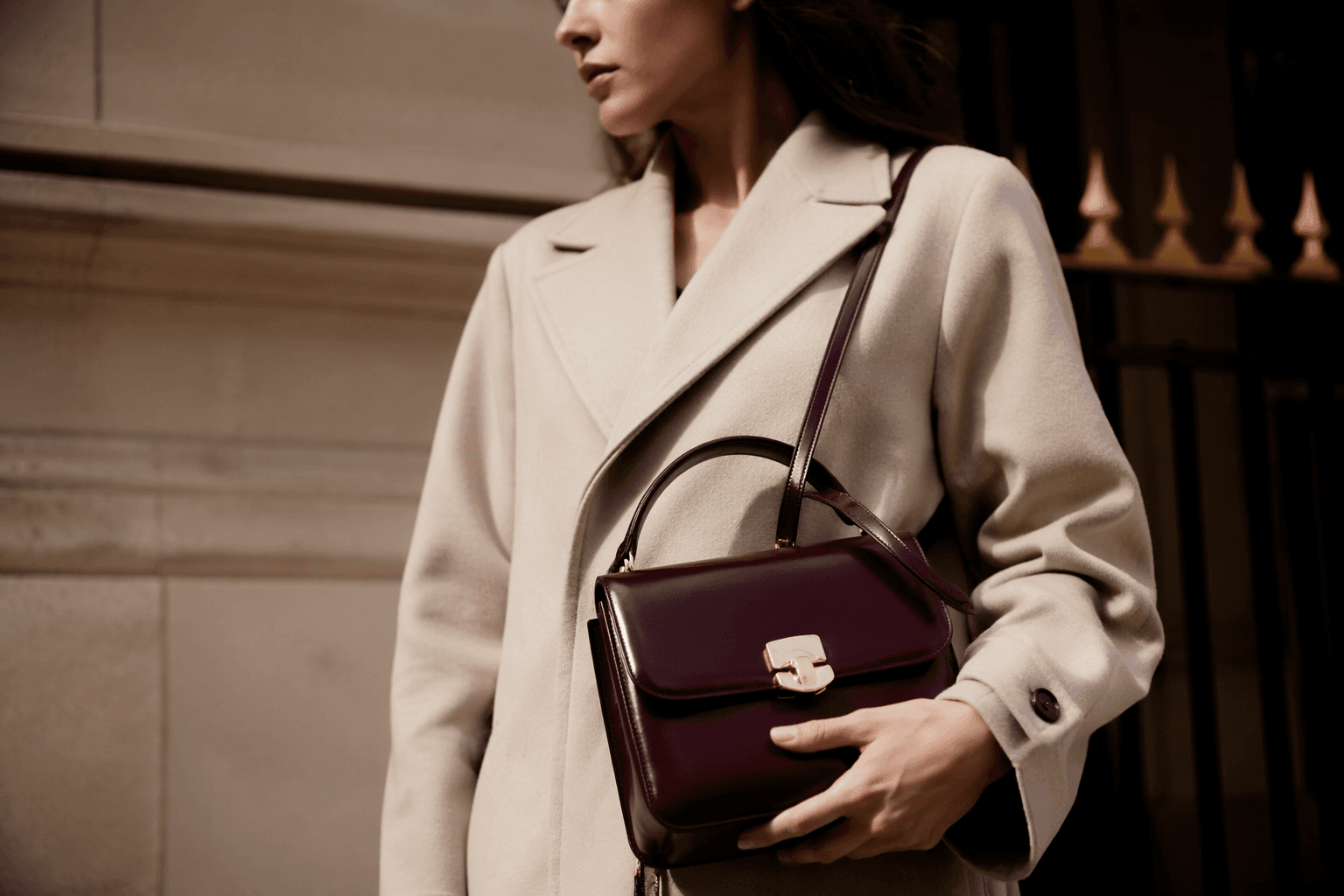
The smartest accessories in this spring 2026 crop do not scream. They signal. Chanel, Gucci and Loewe are all pushing pieces that already feel like they belong in a grandmother’s closet and a collector’s archive at the same time, which is exactly why they read as money. The difference is in the details: a two-tone toe, a Horsebit buckle, a bag shape that has survived enough cycles to stop looking like a trend and start looking like a code.
What makes an accessory feel inherited, not hyped
Old-money style is not about hiding luxury. It is about choosing the version that looks inevitable. The pieces that last are the ones with a strong house signature, a disciplined silhouette and hardware that reads as part of the design, not a branding exercise. That is why this spring’s best bags and shoes feel more convincing than a stack of seasonal “it” items: they already have a language.
Who What Wear frames the season through that lens, pointing to a wave of luxury accessories shaped by creative-director shake-ups across major houses. That matters because bags and shoes are often the first place a new designer leaves fingerprints. If the first impression is good, the item can move from runway curiosity to wardrobe fixture fast. If it is too loud, too logo-heavy or too dependent on novelty, it becomes a one-season costume piece.
Chanel’s two-tone pump still has the cleanest pedigree
If there is one shoe that keeps making the case for quiet luxury without trying too hard, it is Chanel’s two-tone pump. Gabrielle Chanel created the style in 1957, and the design logic is still brutally smart: beige leather to elongate the leg, black at the tip to make the foot look smaller. That is not decoration. That is optical tailoring.
Massaro added the elastic strap around the heel for more comfort, which is the kind of practical refinement that separates a classic from a pretty object. Chanel still places slingbacks and pumps in its latest fashion collections, and that continuity is the point. The shoe does not need reinvention to stay relevant because the silhouette already does the work. In an old-money closet, this is the kind of heel that sits beside pearls and a mannish blazer, never begging for attention, always earning it.
The real strength here is understatement. Chanel’s two-tone code is recognizable from across a room, but never in a way that feels desperate. It is an accessory that says taste before trend, which is exactly why it keeps surviving.
Gucci is mining its own archives, and the Horsebit still carries weight
Gucci’s Horsebit loafer is the kind of house icon that can only survive if the house keeps treating it seriously. Gucci describes it as a 70-year-old signature introduced in the 1950s, and the brand has also made clear that it has been redesigned over time in new forms and materials. That evolution matters. The Horsebit works because the core symbol never disappears, even when the shape shifts.
Who What Wear spotlights two spring/summer 2026 Gucci pieces built around that code: the Paparazzo Medium Top Handle Bag and the Boulevard pump. Both are already being spotted on fashion’s It crowd, which tells you exactly how the brand wants them to travel, from runway to street to resale watchlist. But the real question is whether they have staying power beyond the first wave of attention.
The answer depends on restraint. The Horsebit is one of Gucci’s strongest house markers because it is recognizable without being noisy. On the loafer, it has long been a status sign that feels rooted in dress codes rather than hype cycles. Translated into a top-handle bag and a pump, it becomes more interesting, because those are categories where shape and hardware have to share the spotlight. If the silhouette stays clean and the buckle remains the star, the result can age well. If the Horsebit starts doing too much, the look slips into seasonal territory fast.
Loewe is making the strongest case for new classics
Loewe’s SS26 women’s runway collection is presented on the brand’s official site under Jack McCollough and Lazaro Hernandez, and the accessories land with the kind of conviction that usually comes from a house that knows its own codes. The Amazona and the Origami pump are not trying to invent a new category. They are refining one.
The pricing tells part of the story. The Large Amazona 180 bag is listed at $5,400, the Small Amazona 180 bag at $4,550, and the Origami flap back pump at $1,650 on the U.S. site. Those numbers are not casual, but they are also not just about flex. They suggest construction, leather quality and a design position that expects the buyer to care about more than a logo shot.
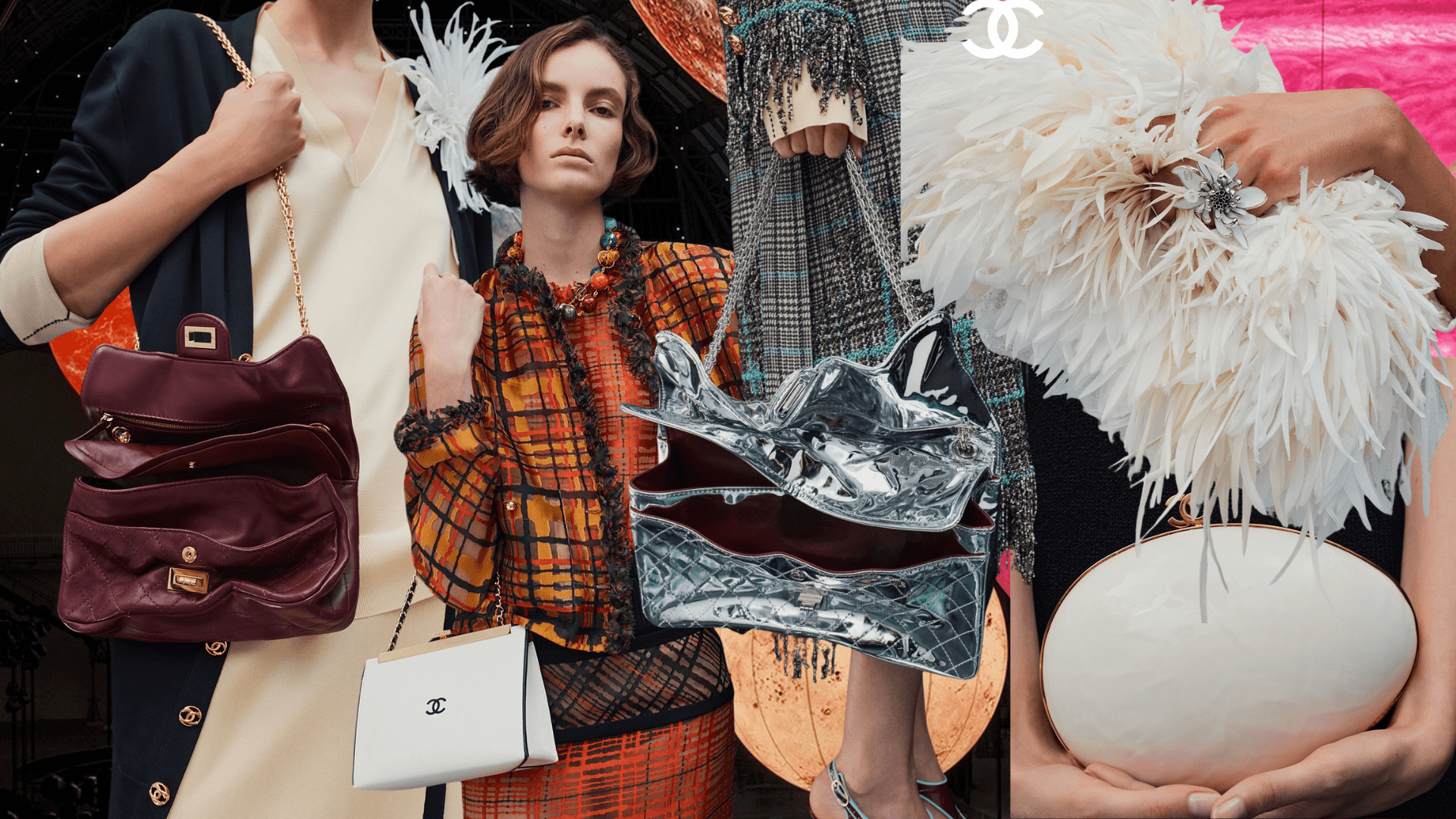
The Amazona is the kind of bag that can work in an old-money wardrobe because it reads as structural rather than status-hungry. It is polished, but not brittle. The Origami flap back pump sounds more directional, but at $1,650 it sits in the zone where a serious shoe shopper starts judging comfort, finish and silhouette against staying power. Loewe’s advantage is that it often makes luxury look a little architectural, which is exactly what lets an accessory age into the closet instead of out of it.
Celine is still betting on bags with staying power
Celine’s official site is showing an Automne 2026 collection with new bags, and that alone is worth noting because it keeps the house in the conversation around heritage-driven accessories. Celine has long understood that bags do not need gimmicks to feel current. A strong shape, controlled branding and good leather can do more than a pile of seasonal embellishment.
What makes Celine fit this story is not spectacle. It is discipline. In a market crowded with shouty “newness,” a brand that keeps returning to a sharp bag silhouette is making a deliberate argument: the best accessory is the one that can cross seasons without needing a new personality every time the calendar changes.
How to tell the heirloom from the status buy
The easiest way to separate a future classic from a flash purchase is to look for three things: a house code that already has history, hardware that feels integral rather than decorative, and a silhouette that can disappear into a wardrobe without losing its identity. Chanel’s two-tone pump passes because the line is so clean and the construction logic is so specific. Gucci’s Horsebit pieces pass when the motif stays disciplined. Loewe’s Amazona and Origami designs pass because they look built, not merely styled.
The loudest accessory is rarely the smartest one. The bags and shoes worth keeping are the ones that do not need to chase attention because they already know exactly who they are. That is the old-money test, and this season’s best luxury accessories are finally speaking that language again.
This article was produced by Prism’s automated news system from verified source data, official records, and press releases, then run through automated quality and moderation checks before publishing. The system is built and supervised by the people who set the standards it runs under. Read our full AI policy.
Did this article answer your question?