China’s affluent shoppers return to luxury as equities rally
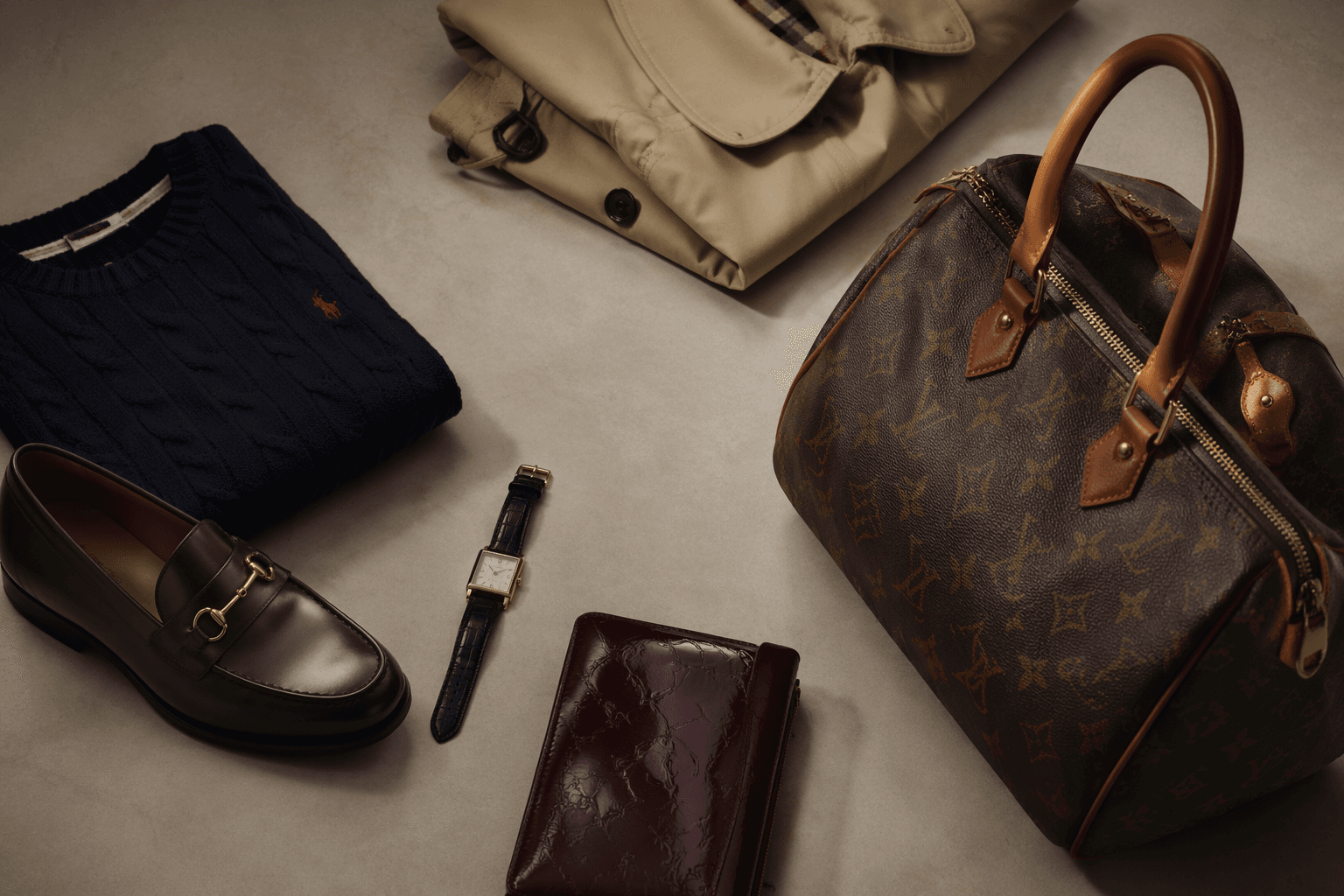
China’s stock rally is bringing rich shoppers back to luxury, and the first winners look like the heritage names old-money wardrobes still trust. Louis Vuitton, Burberry, and Ralph Lauren are showing the earliest pulse.

China’s wealthy shoppers are loosening up again, and the trigger is not a product redesign or a clever campaign. It is the market screen. As Chinese equities climbed, sentiment among affluent buyers improved, and luxury is getting the kind of lift that only happens when people feel richer before they even walk into the store.
That matters because mainland China still drives a huge slice of the business. Bloomberg said Chinese shoppers account for more than a quarter of annual luxury sales, and their purchases are projected to rise about 6 percent in 2026. Bain & Company had already sketched the rebound, saying in January that mainland China’s personal luxury goods market was expected to return to modest growth in 2026 after shrinking 3 percent to 5 percent in 2025 and falling 17 percent to 19 percent in 2024. Bain called the recovery fragile and uneven, which is exactly how this kind of comeback usually looks: selective, brand by brand, category by category.
The first names benefiting are the ones with the strongest old-money gravity. BigOne Lab data showed first-quarter 2026 offline sales in China for Louis Vuitton and Burberry returned to growth. Gucci’s declines narrowed. Coach posted a notable upswing. Ralph Lauren delivered the cleanest punch, with first-quarter China sales jumping more than 50 percent year over year, helped by Lunar New Year demand and new customers. That is the part that should make heritage-watchers pay attention: this is not just a handbag bounce, it is a return of appetite for the polished, status-coded pieces that sit at the center of rich wardrobes.
The equity backdrop is doing real work here. Jing Daily reported that the ChiNext Index, often called China’s Nasdaq, rose above its 2015 bubble-era peak in May and was up about 26 percent for the year, a tidy little wealth effect story with very real shopping consequences. When the wealth signal flashes green, buyers move faster on high-end fashion and beauty, especially the categories that telegraph taste without screaming for attention.
The sector has already seen how sensitive it is to China. Reuters reported in October 2025 that LVMH shares surged as much as 14 percent after signs of improved Chinese demand, and the wider European luxury sector added nearly $80 billion in market value. That is the pecking order in real time: when China catches a bid, the market immediately reprices the houses that define status consumption from Shanghai to London to Paris. The rebound is still uneven, but if Chinese equities keep climbing, the old guard of luxury will not just recover. It will reclaim the runway first.
This article was produced by Prism’s automated news system from verified source data, official records, and press releases, then run through automated quality and moderation checks before publishing. The system is built and supervised by the people who set the standards it runs under. Read our full AI policy.
Did this article answer your question?