Christopher Bailey buys Burleigh Pottery, saving 62 jobs and heritage craft
Christopher Bailey has put Burleigh Pottery into new hands, saving 62 jobs and pulling one of England’s oldest ceramics houses deeper into old-money taste.

Christopher Bailey’s latest move is not a fashion flex, it is a heritage power play. The former Burberry chief has led an investor group buying Burleigh Pottery, saving 62 jobs and pushing one of England’s most storied ceramic houses into the same luxury ecosystem that already runs through tailoring, tableware and the polished rooms where both get shown off.
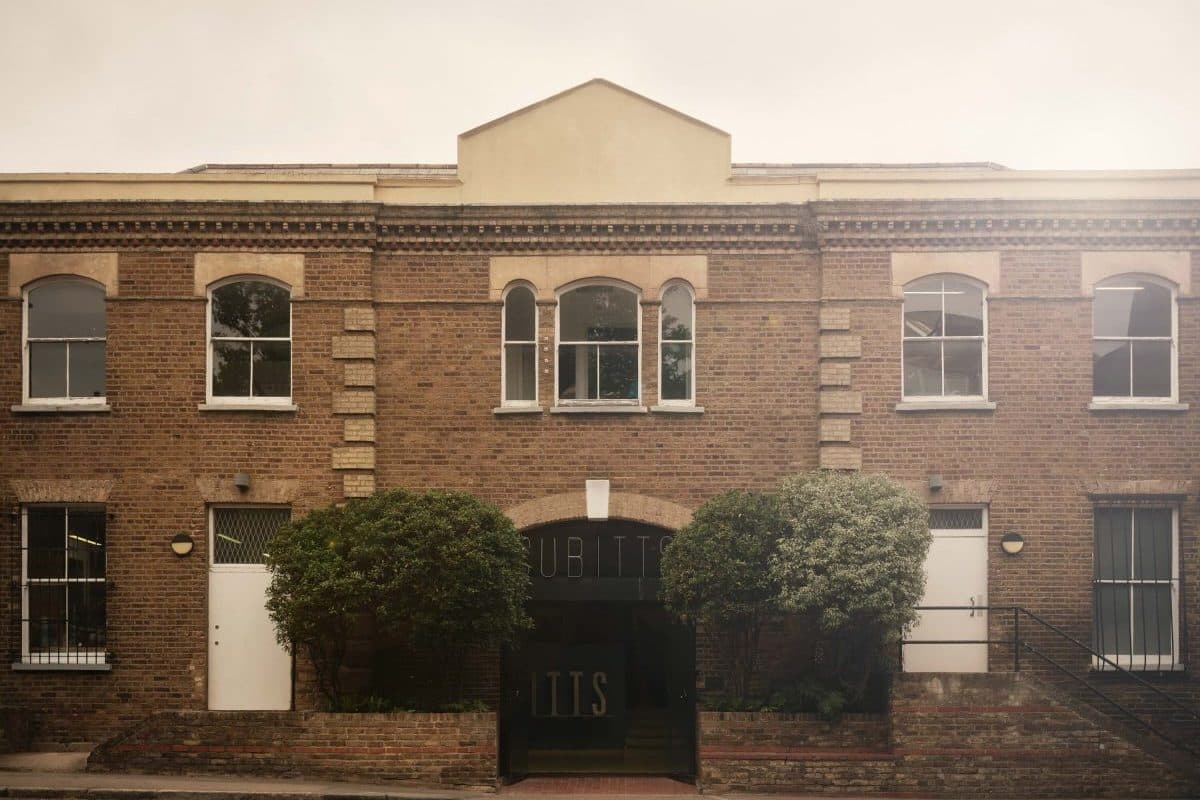
Burleigh was founded in 1851 and has made tableware at Middleport Pottery in Stoke-on-Trent since 1889. It is described as the oldest continuously working Victorian potter in England, and its calling card is tissue transfer printing, the painstaking hand process that moves intricate pigmented patterns onto raw clay. Burleigh is said to be the last heritage pottery in the world still using that method by hand, a detail that matters because scarcity now sells as loudly as provenance.
The deal, struck for an undisclosed sum, keeps production running without interruption at the Grade II-listed Middleport site in Staffordshire. That continuity is the real prize. In a market where heritage brands are often bought for logos and then hollowed out, Bailey’s group has taken on a business whose value lives in the making, not just the name on the backstamp.
The rescue also lands after a brutal run for the wider Denby group. Burgess and Leigh, which owned Burleigh, appointed FRP Advisory as administrator on March 31, 2026 after challenging financial conditions tied to soaring costs and weak consumer confidence. Denby Pottery went into administration earlier in 2026, final pieces were fired last week, and more than 130 workers were made redundant from a workforce that had once stood at 500. Against that backdrop, keeping Burleigh alive is not a minor salvage operation. It is one of the few clean endings in a sector that has been getting squeezed from every side.

Bailey said he had long loved Burleigh pottery and wanted to protect and showcase the craftsmanship and character that make it unique while shaping its future as a distinctive British design and ceramics house. Tony Wright, a joint administrator at FRP, said the sale protected the historic business, the skilled people who work there and the wider Stoke-on-Trent community. Burleigh said the new investment would preserve its craftspeople and support thoughtful growth, cultural relevance and exceptional craftsmanship.
That language tracks with the brand’s place in the market. Burleigh has a strong following in the United Kingdom, the United States and Japan, and its designs, including Asiatic Pheasants, Arden, Calico and Regal Peacock, already sit comfortably in the world of Ralph Lauren, Soho House and Daylesford. Stoke-on-Trent City Council had previously noted that Burleigh’s strong order book made a rescue deal viable, which explains why this buyout feels less like nostalgia and more like a smart bet on enduring taste.

Bailey has moved from clothes to ceramics, but the logic is the same: legacy craftsmanship is becoming the new status code. In 2026, the old-money wardrobe does not stop at the hemline. It runs through the dining table, the sideboard and the whole idea of how a home is supposed to look, feel and last.
This article was produced by Prism’s automated news system from verified source data, official records, and press releases, then run through automated quality and moderation checks before publishing. The system is built and supervised by the people who set the standards it runs under. Read our full AI policy.
Did this article answer your question?