Classic Loafers Lead Spring 2026 Old Money Style With Polished Preppy Formulas
Classic loafers are spring 2026's old money shoe, and the preppy outfit formulas built around them are surprisingly specific.
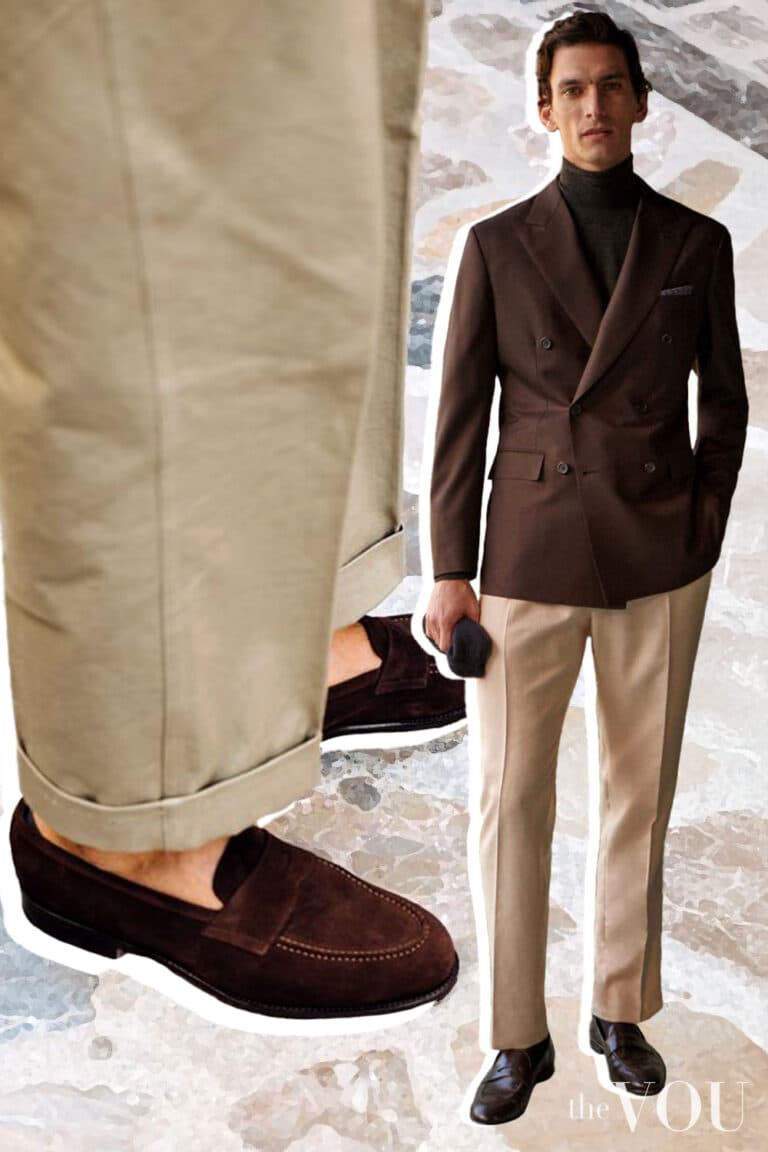
Loafers have always carried a certain quiet authority, but spring 2026 is the season they fully reclaim their status as the cornerstone of old money dressing. The formula is precise, the aesthetic is deliberate, and if you've been waiting for a definitive sign to invest in a proper pair of leather loafers, this is it.
The Loafer as the Season's Statement Piece
Not every shoe gets anointed the old money shoe of a season, but the classic loafer has earned the title for spring 2026 with genuine credibility. InStyle Germany flagged the trend in a March dispatch, positioning the loafer not as a throwback novelty but as the anchor of an entire preppy style philosophy that's gaining serious traction this season. The key word here is "classic" — not the chunky platform loafer riff that circulated in recent years, but the clean, low-profile silhouette with heritage lineage. Think Gucci horsebit proportions, think Bass Weejun flatness, think shoes that communicate wealth through restraint rather than branding.
What makes the loafer resonate so specifically within old money aesthetics is its inherent ambiguity. It reads as formal enough for polished settings, casual enough for a sun-drenched afternoon, and it never announces itself too loudly. That tonal quietness is exactly the point.
The Outfit Formula That Makes It Work
The specific styling combination InStyle Germany maps out is worth taking seriously because it's doing several things at once. The formula: loafers paired with bermuda shorts, a short-sleeve blouse, a leather belt, and white socks. On paper it sounds like a heritage catalogue shoot. In practice, when executed with the right proportions and quality pieces, it lands squarely in the preppy-Parisian register that defined spring 2026's most compelling street style energy.
The bermuda short is doing heavy lifting here. Not cutoff denim, not athletic shorts — bermudas, which hit at or just above the knee and carry the pressed, intentional quality that the old money aesthetic demands. In a neutral linen or lightweight wool blend, they create the leggy-but-covered silhouette that pairs naturally with the loafer's low profile. The short-sleeve blouse above keeps things light and seasonally appropriate without tipping into beach-casual territory. Tucked in, with a leather belt cinching the waist, the overall line becomes structured and deliberate.
The white socks are the detail that separates this formula from stiff traditionalism. Worn with loafers, they reference the prep school codes of American collegiate dressing while simultaneously nodding to the European resort wear sensibility that has been filtering through runway and street style this season. It's a small gesture with outsized tonal impact: it signals that the person wearing this understands the rules well enough to play with them slightly.
Why Old Money Dressing Is Having This Specific Moment
The old money aesthetic has been cycling through fashion conversations for a couple of seasons now, but spring 2026 feels like the point where it moves from trend discussion into actual wardrobe behavior. The formulas are becoming more specific and more wearable, and the loafer's centrality reflects that maturation.
There's a deliberate rejection of logomania and drop-culture noise embedded in this aesthetic. Old money style communicates value through fabric quality, garment construction, and the kind of understated polish that comes from knowing exactly what you're wearing and why. The leather belt in the InStyle Germany formula is a good example: it's not a statement belt with hardware, it's a finishing element that completes a silhouette. Every piece serves the whole rather than competing for attention.
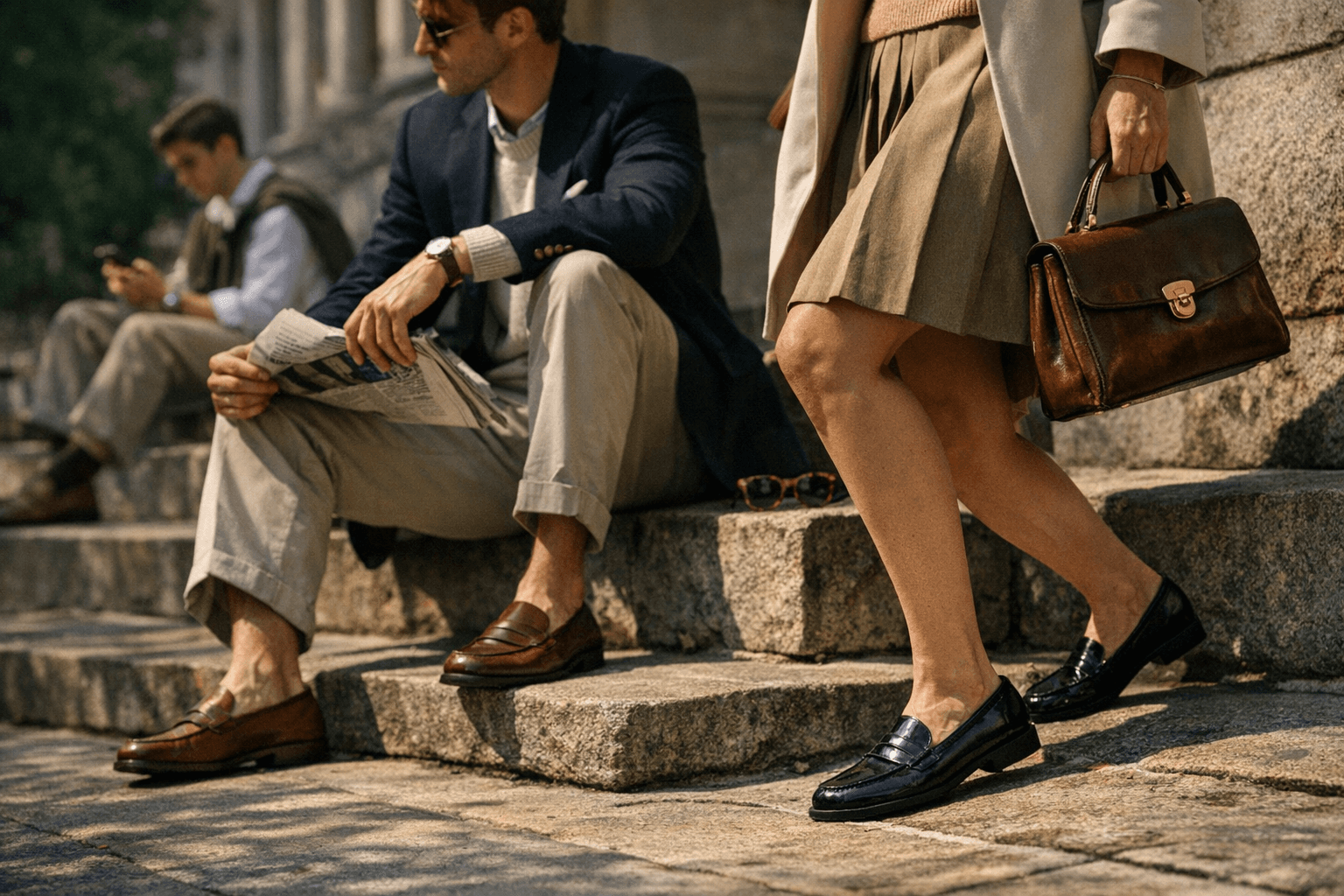
Building the Look From the Ground Up
If you're assembling this formula from scratch, start with the loafers themselves. A tan or cognac leather with a leather sole reads most authentically within old money codes; black is sharper and works better against lighter bermuda tones. Fit matters enormously here: a loafer that gaps at the heel or sits too loose kills the polished effect immediately.
For the bermudas, proportions are everything. They should be neither too voluminous nor too slim, with a clean front and a proper waistband that accommodates a belt. Neutral tones — ivory, stone, navy, camel — work best within the formula and allow the belt and loafer to register as cohesive.
The short-sleeve blouse should be crisp: a poplin cotton or a lightweight silk-blend in white, soft stripes, or a muted print. Oversized fits undermine the tailored line that makes this formula work. The belt should be slim, leather, and tonal with the shoes where possible.
White socks: ankle height, cotton, clean. The specific aesthetic of this formula collapses without them. A bare foot in a loafer reads either too formal or too European-holiday, depending on context. The sock is the element that grounds the look in its preppy register.
The Broader Spring 2026 Context
The loafer's resurgence as a style anchor reflects something real about where fashion appetite sits right now. After seasons of maximalist experimentation and irony-heavy dressing, there's a genuine appetite for clothes that communicate clearly and wear beautifully over time. Old money style, with its emphasis on quality construction and controlled color palettes, meets that appetite directly.
The specific preppy-inflected formula emerging this spring, with the loafer at its center, is also notably accessible in terms of execution. These are pieces that exist at multiple price points and that reward investment because they don't expire seasonally. A well-made pair of classic loafers bought for spring 2026 is just as relevant in five years, which is precisely the kind of dressing logic the old money aesthetic has always championed.
Spring 2026's style conversation is increasingly being shaped by formulas this specific and this considered, and the loafer is the right shoe to lead it.
This article was produced by Prism’s automated news system from verified source data, official records, and press releases, then run through automated quality and moderation checks before publishing. The system is built and supervised by the people who set the standards it runs under. Read our full AI policy.
Did this article answer your question?