Culottes Return as the Polished, Office-Friendly Spring Workwear Choice
Culottes solve spring office dressing with polished ease, giving tailored structure, cooler comfort, and the restraint that makes old-money style feel modern.
Why culottes feel right now
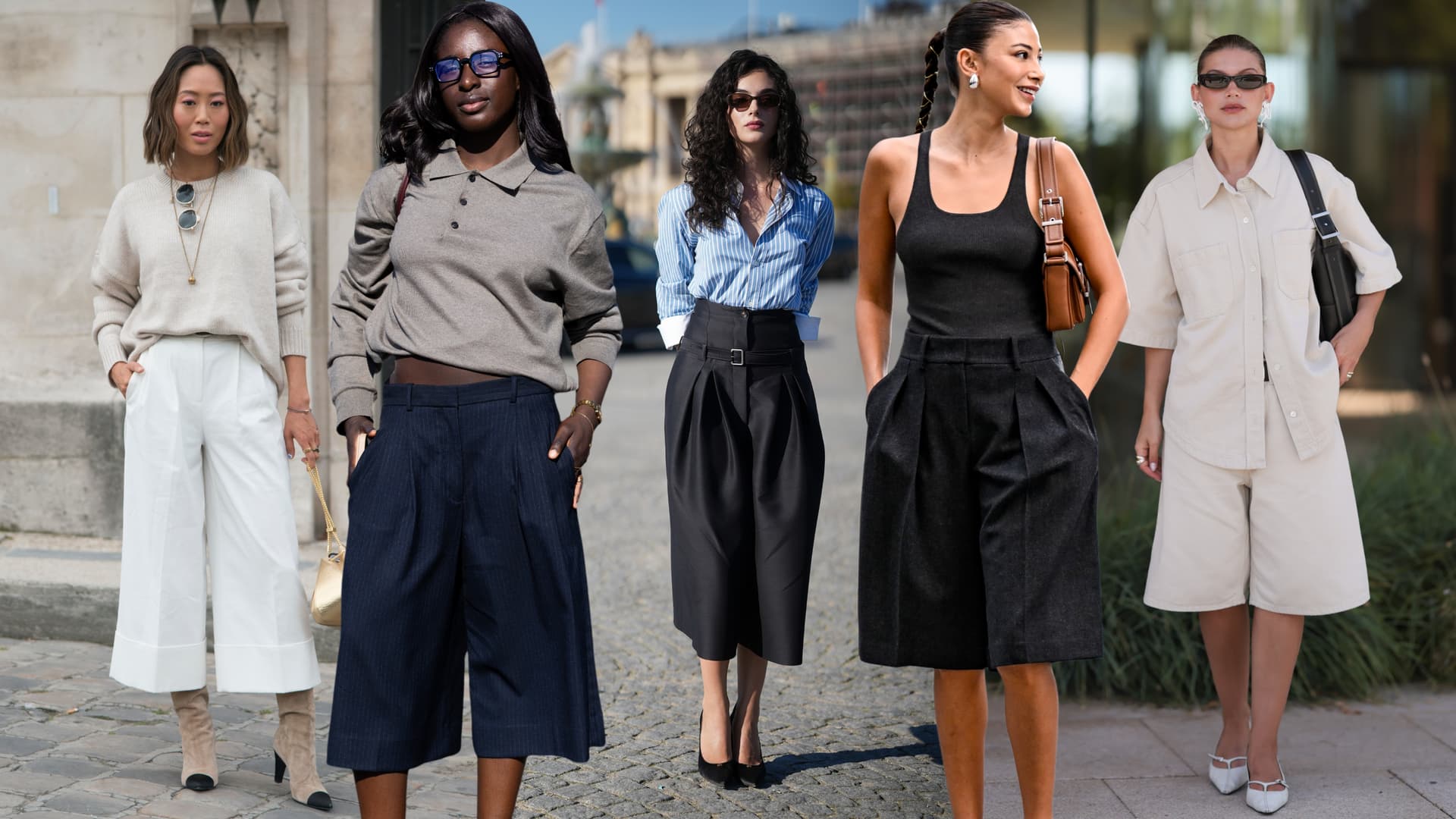
When the forecast cannot decide between trench weather and bare legs, culottes are the polished compromise. Marie Claire frames them as the practical answer for spring workwear, a “happy medium” when full-length trousers feel too warm and shorts feel too casual for the office. Their hemline usually lands between the knee and calf, which gives them the discipline of tailoring without the drag of a full pant leg.
That shape matters. Culottes read as roomy, vintage-influenced, and slightly skirt-like, but the split construction keeps them clean and directional. In a season where officewear is being softened and sharpened at the same time, they fit neatly into the spring 2026 reset that fashion media keeps circling back to, one built on minimalism, leg-relevant silhouettes, and practical clothes that still look considered.
The runway case for wearing them to work
Spring 2026 gave culottes more than one lane. Fforme showed flat-front versions with ribbed T-shirts and wide-collar trench coats, which is a useful reminder that the shape works best when the rest of the outfit stays crisp. Max Mara paired them with matching blazers, making the strongest argument for culottes as real tailoring rather than novelty dressing. Celine pushed them into a cherry-red look, proof that the silhouette can carry color without losing its polish.
That mix of restraint and attitude is exactly why they feel current. Who What Wear picked up on the trend through Copenhagen Fashion Week, where Scandi showgoers wore them, and pointed to Hailey Bieber and Bella Hadid as two recognizable names helping the shape move from runway idea to street-level signal. The message is clear: culottes are back, but the successful versions are the tailored ones, the ones with shape control, not excess volume for its own sake.
How to wear culottes to the office, by dress code
For a conservative office
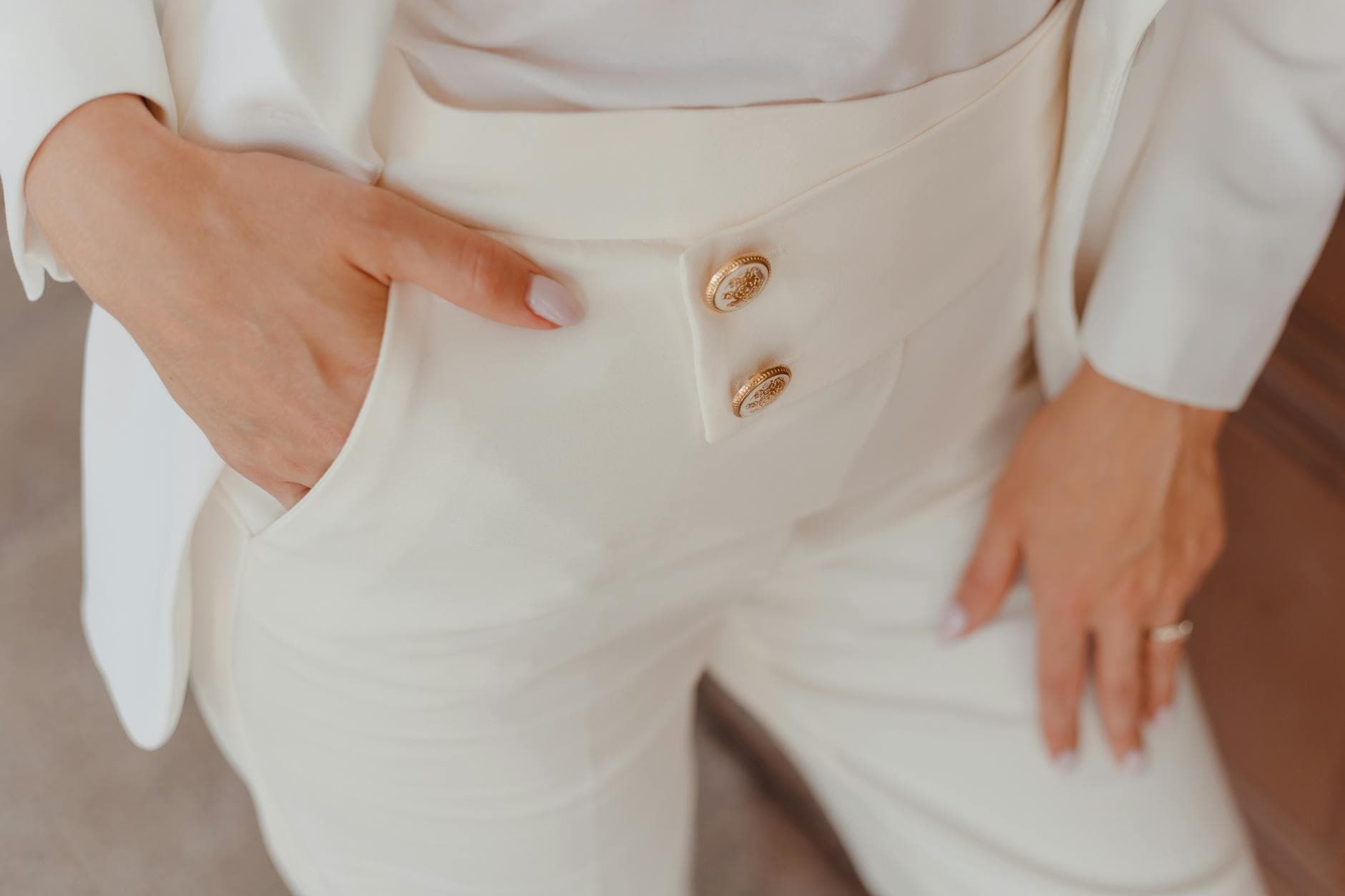
Start with the most streamlined version you can find: flat-front culottes in navy, charcoal, black, or cream. Pair them with a silk shirt, a lightweight blazer, and loafers with a firm, polished shape. The goal is to make the culotte read like a shortened trouser leg, not a fashion statement that arrived five minutes ago.
Keep the palette quiet and nearly monochrome. The cheapest way to look old money is not a monogram, it is restraint, and culottes reward that instinct. When the outfit is pared back, the eye notices the quality of the seams, the drape of the fabric, and the clean line from waistband to shoe.
For business-casual days
This is where culottes feel especially smart. Max Mara’s blazer pairing gives you the formula: match the top layer to the trousers, then finish with a silk blouse or fine knit and heeled slingbacks. A tonal outfit, especially in stone, camel, navy, or soft grey, makes the silhouette look longer and more expensive.
If your office allows a little more fashion, work in texture rather than noise. A silk shirt under a blazer has enough sheen to feel finished, while the culotte keeps the look light enough for warmer days. Heeled slingbacks sharpen the hemline and stop the shape from tipping into casual territory.
For a creative office
Culottes can take more personality here, but they still need discipline. The Fforme formula is a strong guide: pair them with a ribbed T-shirt, a structured trench, and a shoe that keeps the line neat. Celine’s cherry-red look shows that color can work, but keep everything else calm so the outfit feels deliberate instead of trend-chasing.
If you want the color story without the spotlight, try one saturated piece and keep the rest neutral. Cream culottes with a navy top, or black culottes with a white shirt and tan loafers, will look more heirloom-elegant than a head-to-toe print moment ever could. The point is polish, not performance.
The styling rule that keeps them from looking trendy
Culottes only look old-money elegant when the proportions are disciplined. That means a clean waist, a hem that sits with intent between knee and calf, and a top that is either tucked, lightly cropped, or sharply tailored enough to define the shape. Loose over loose is the fastest way to make them feel ordinary.
The best shoes are the ones that look designed, not improvised. Loafers, refined slingbacks, and low-heeled pumps keep the silhouette anchored; bulky trainers and fussy sandals pull it into a different category entirely. If the trouser leg is wide, let the shoe be sleek. If the shoe has a little heel, let the rest of the outfit stay quiet.
- Choose polished seams and a structured waistband.
- Keep the palette restrained, especially for office wear.
- Let one element carry the look, either the color, the blazer, or the shoe shape.
- Skip oversized slogans, beachy tops, and anything that fights the clean line of the hem.
A few rules make the difference:
Why the silhouette has real fashion history
Culottes are not a new trick. Britannica traces the word back to the French Revolution, when sans-culottes wore long trousers instead of the silk breeches associated with the upper classes. That class contrast gives the garment a built-in story of status, rebellion, and dress codes, which is part of why it still feels interesting now.
The museum record backs up the staying power. The Metropolitan Museum of Art holds culottes by Emilio Pucci from 1955 and Yves Saint Laurent from around 1963, along with riding culottes from the early 20th century. The Victoria and Albert Museum adds another important marker: women’s trouser suits were not widely accepted as formal wear before the 1970s, yet by the late 20th century they had become a wardrobe staple. Culottes sit right inside that larger shift, the move from novelty to legitimacy.
That is the real appeal. They solve a practical problem, the awkward spring temperature swing, while carrying enough history to feel intentional. In a season crowded with louder options, culottes offer something better for the office: the polish of tailoring, the ease of warm-weather dressing, and the kind of restraint that never dates itself.
This article was produced by Prism’s automated news system from verified source data, official records, and press releases, then run through automated quality and moderation checks before publishing. The system is built and supervised by the people who set the standards it runs under. Read our full AI policy.
Did this article answer your question?