Demure heels return as quiet-luxury status symbols
Slingbacks and pumps are back because restraint now reads richer than noise. The old-money heel makes its point quietly, with polished lines and no obvious effort.
The quiet heel is the loudest status signal right now
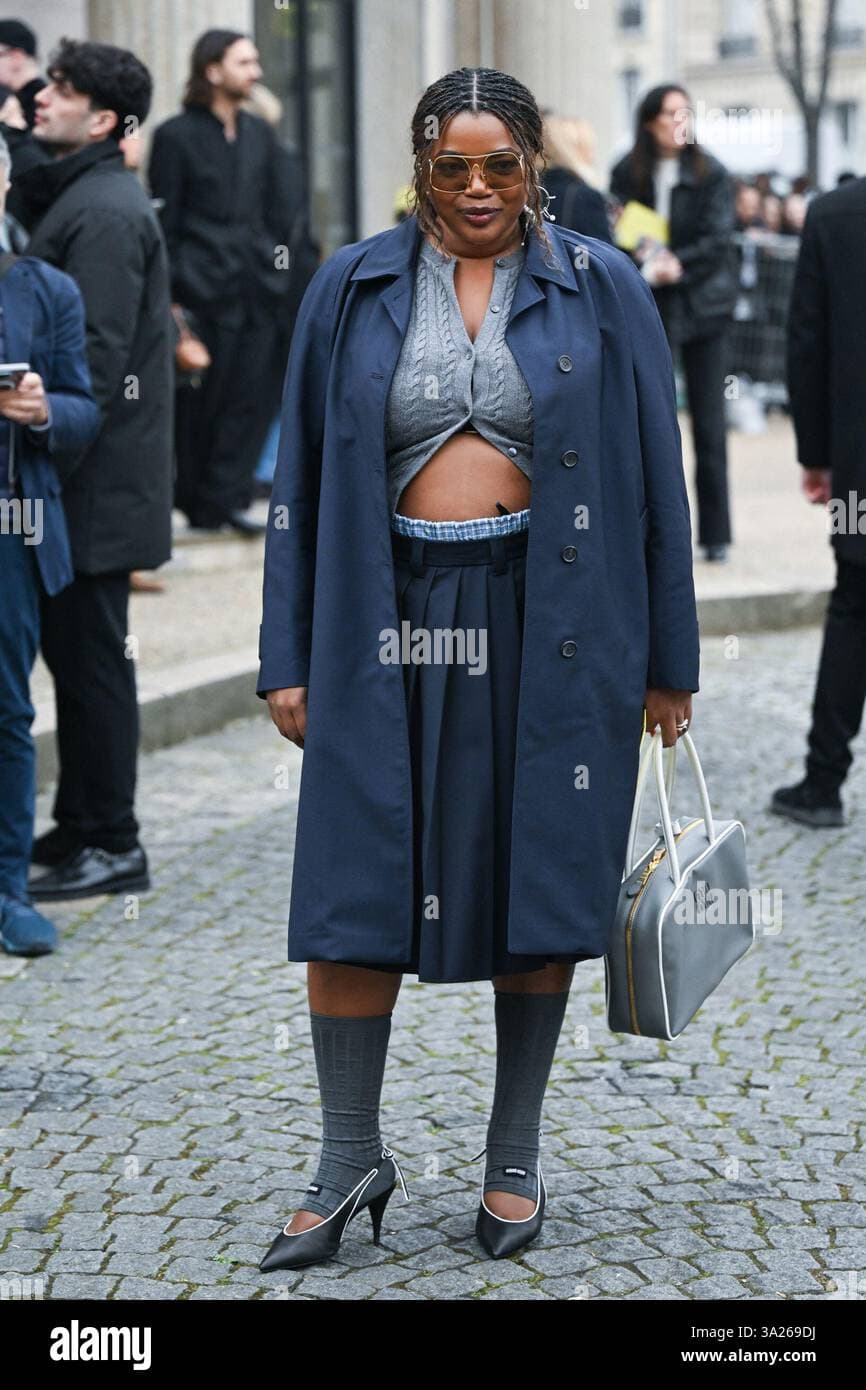
Slingbacks, elegant pumps and other demure heels have become the season’s hottest footwear, and the appeal is exactly their self-control. Gabriella Karefa-Johnson has framed the look as “a wink rather than costume,” which is precisely why it lands: the shoe looks considered, not overworked, and that difference is everything in an old-money wardrobe.
This is not a return to primness. It is a status-signal reversal. When obvious trend shoes start to feel eager, polished footwear begins to look more expensive. A neat slingback, a pared-back pump, a shoe with a clean line and a disciplined finish now says more about taste than any contorted statement heel ever could.
Why restraint reads richer than flash
The broader mood behind the comeback is the same one driving quiet luxury and old-money dressing: understatement. Clothing signals wealth most convincingly when it avoids trying to prove anything. That is why restrained accessories are having a moment, and why a heel that whispers can feel more authoritative than one that shouts.
The trick is not to make the shoe precious. Make it precise. A heel that sits at a moderate height, a toe that is neither aggressively pointed nor blunt, and a leather finish that looks smooth rather than shiny will always read more cultivated than anything gimmicky. Paired with relaxed separates, the shoe stops feeling office-core and starts feeling like an inherited code, the sort of piece that looks natural with menswear trousers, a broken-in knit, or a soft skirt worn without fuss.
How to wear demure heels so they look old-money
The most convincing version of the trend is not the one that looks costumed or overly polished. It is the one that balances structure with ease, as if the shoe belongs to a wardrobe built over years rather than a single season.
- Choose a heel that is low enough to look effortless, but high enough to sharpen the leg line.
- Favor a toe shape that feels refined, not severe. A softened point or a gently tapered front looks far more expensive than a fashion-forward angle.
- Look for leather with a quiet finish. Matte or lightly burnished surfaces tend to read richer than anything too glossy.
- Style them against relaxed separates, not a full corporate uniform. Wide trousers, soft tailoring, and unpressed ease give demure heels their social cool.
That combination matters because it changes the message of the shoe. The same slingback can feel dutiful with a pencil skirt, but aristocratic with a draped trouser and a cardigan worn loosely over the shoulders. Old-money style rarely announces itself through severity. It prefers ease with discipline.
The Met’s shoe collection proves this is not a new idea
The Metropolitan Museum of Art has long treated shoes as clues to shifts in fashionable taste and advances in design and manufacturing techniques. Its collection includes men’s, women’s and children’s styles dating from the fourteenth to the twenty-first centuries, and the scale alone tells you how much fashion can be read from the ground up. The Costume Institute’s holdings now number more than 33,000 objects across seven centuries of dress and accessories, which makes the current fascination with demure heels feel less like a novelty than a recurrence.
The historical lineage is especially clear in the Met’s shoe records. One entry notes that robustly patterned fabrics were a common choice for aristocratic ladies in the late 17th and early 18th centuries. Another describes simple but elegant 18th-century latchet shoes as beautifully crafted and extremely well preserved. Even before modern quiet luxury had a name, elite footwear was already working as a code: not necessarily louder, but more exacting, more refined, and more legible to people who knew what to look for.
That is the real charm of the current shoe mood. The modern version is more minimalist, but the instinct is familiar. Shoes have always revealed where taste is moving, and often who is in the know. A polished heel with just enough decoration to suggest discernment, not desperation, belongs squarely in that tradition.
What the return of the demure heel says about style now
The season’s fascination with slingbacks and elegant pumps is not a retreat into conservatism. It is a recalibration of value. In a fashion landscape crowded with novelty, the shoe that looks calm, clean and well made feels more authoritative than the one built to get attention.
That is why this comeback matters to old-money dressing. It favors restraint over display, rewearing over excess, and recognizable polish over trend fatigue. The best demure heels do not ask to be noticed. They simply make everything around them look more expensive.
This article was produced by Prism’s automated news system from verified source data, official records, and press releases, then run through automated quality and moderation checks before publishing. The system is built and supervised by the people who set the standards it runs under. Read our full AI policy.
Did this article answer your question?