Dior and Gucci shrink store footprints as luxury shifts to scarcity
Luxury is pulling back from blanket expansion and turning stores into private stages, with Dior and Gucci betting on fewer, richer addresses.

The biggest luxury move right now is not a louder window or a bigger logo. It is the opposite: Dior and Gucci are shrinking their store maps, concentrating power in fewer, sharper locations and turning the boutique itself into a gatekeeping machine for wealth.
That shift fits a market that has cooled from the post-Covid rush without going soft. Bain & Company put global luxury spending at about €1.44 trillion in 2025, down 1% to 3% from 2024, but still 12% to 14% above 2019. The money is still there. What has changed is where it goes: luxury experiences are outpacing the broader market, which is why the store now has to do more than hang merchandise. It has to signal access, atmosphere, and the kind of discretion old-money customers recognize instantly.
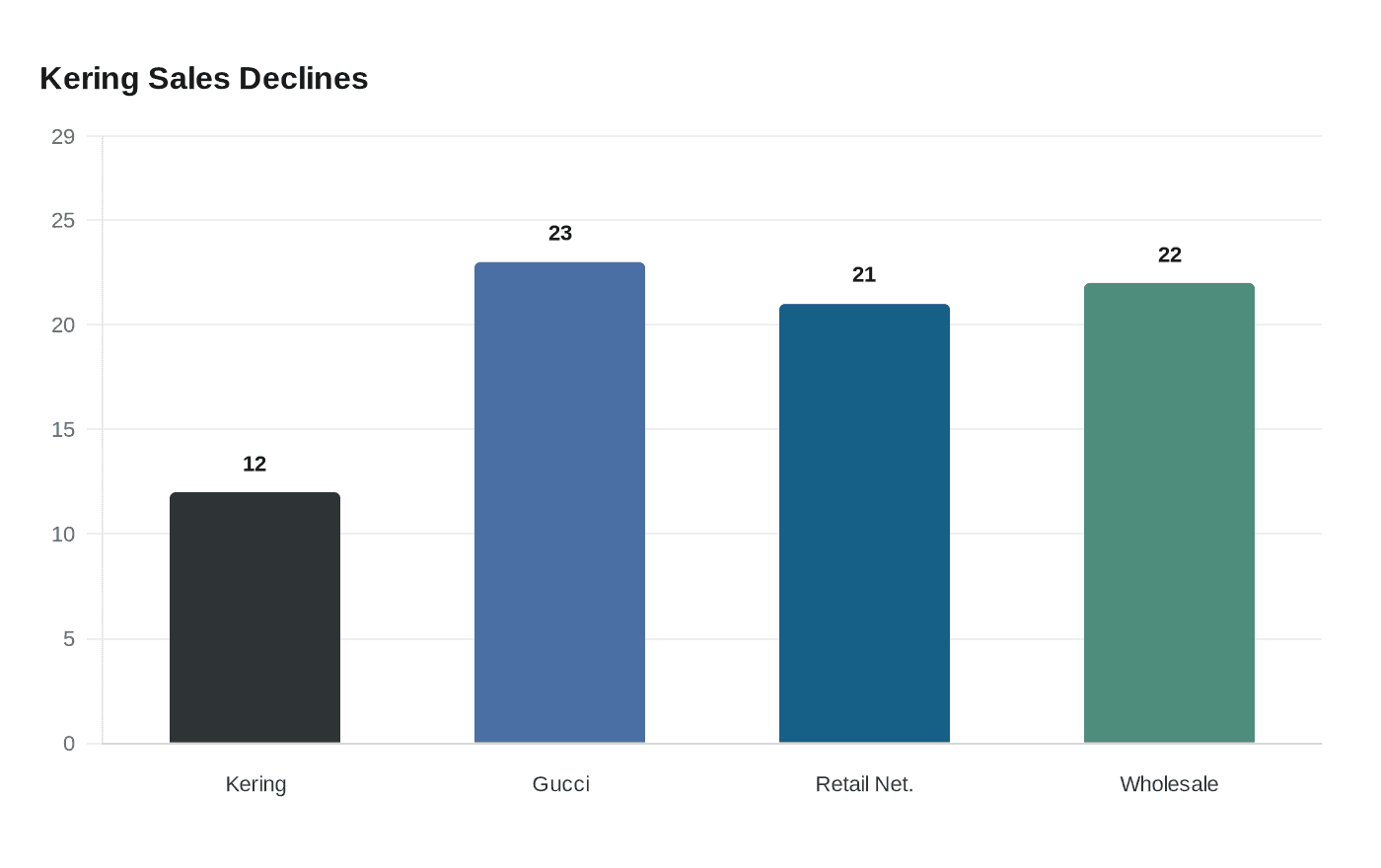
Kering’s numbers show the pressure in blunt terms. Revenue fell 12% in 2024 to €17.2 billion, Gucci revenue dropped 23% to €7.7 billion, and sales from Gucci’s directly operated retail network fell 21% on a comparable basis. Wholesale revenue across Kering’s Houses fell 22% on a comparable basis as the group pushed harder on exclusivity. François-Henri Pinault has made clear that the answer is not more doors but better ones: sharper product strategy, stronger communications, and higher-quality distribution. In other words, the store network is now part of the turnaround.
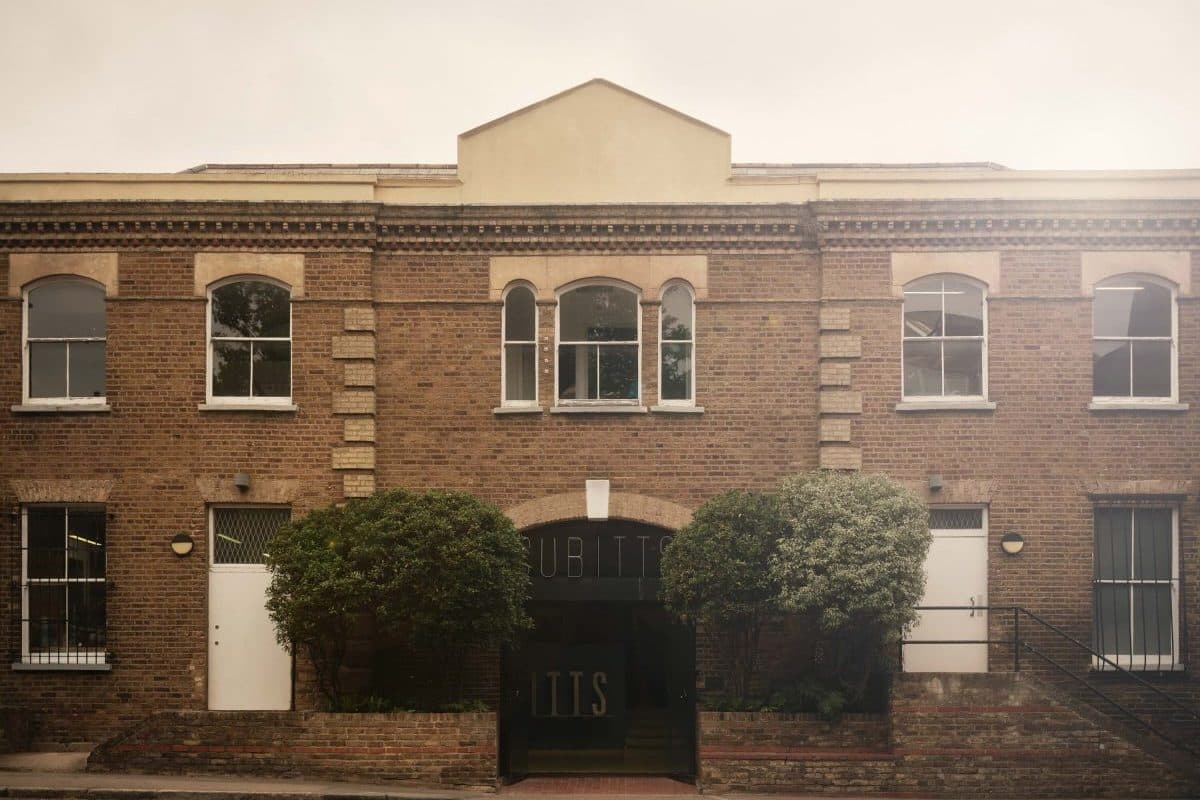
Dior’s 30 Avenue Montaigne in Paris is the model everyone else is chasing. The brand presents it as a reinvented flagship and headquarters, shaped by Peter Marino and loaded with more than product display: savoir-faire, gastronomy, culture, and augmented reality. That is not a shop in the old sense. It is a controlled social world, built to slow customers down and separate serious high-net-worth clients from the crowd that comes to browse and post.
This is the larger strategy WWD pointed to in 2023, when Europe’s biggest luxury groups began reining in rollouts in favor of fewer, more spectacular locations. Savills said luxury store openings slowed in 2025 to their lowest level since 2020, while North America accounted for 27% of total opening activity, its first time at the top since 2016. JLL still found newly opened luxury retail square footage up 65.1% in the first half of 2025 versus the same period in 2024, with New York’s Madison Avenue, Fifth Avenue, and SoHo leading the U.S. That mix tells the story: not endless expansion, but concentrated theater in cities where domestic wealth and tourism can still deliver.
Luxury is separating the people who buy into the code from the people who just walk past it. The new prestige lives in fewer doors, better neighborhoods, tighter access, and stores designed less like retail and more like a private club with a cash register.
This article was produced by Prism’s automated news system from verified source data, official records, and press releases, then run through automated quality and moderation checks before publishing. The system is built and supervised by the people who set the standards it runs under. Read our full AI policy.
Did this article answer your question?