ELLE champions repeat-wear wedding guest style for summer 2026
The best wedding-guest dress this summer is the one that earns a second outing. ELLE's under-£300 edit leans into satin, florals and polished midis that work far beyond one ceremony.
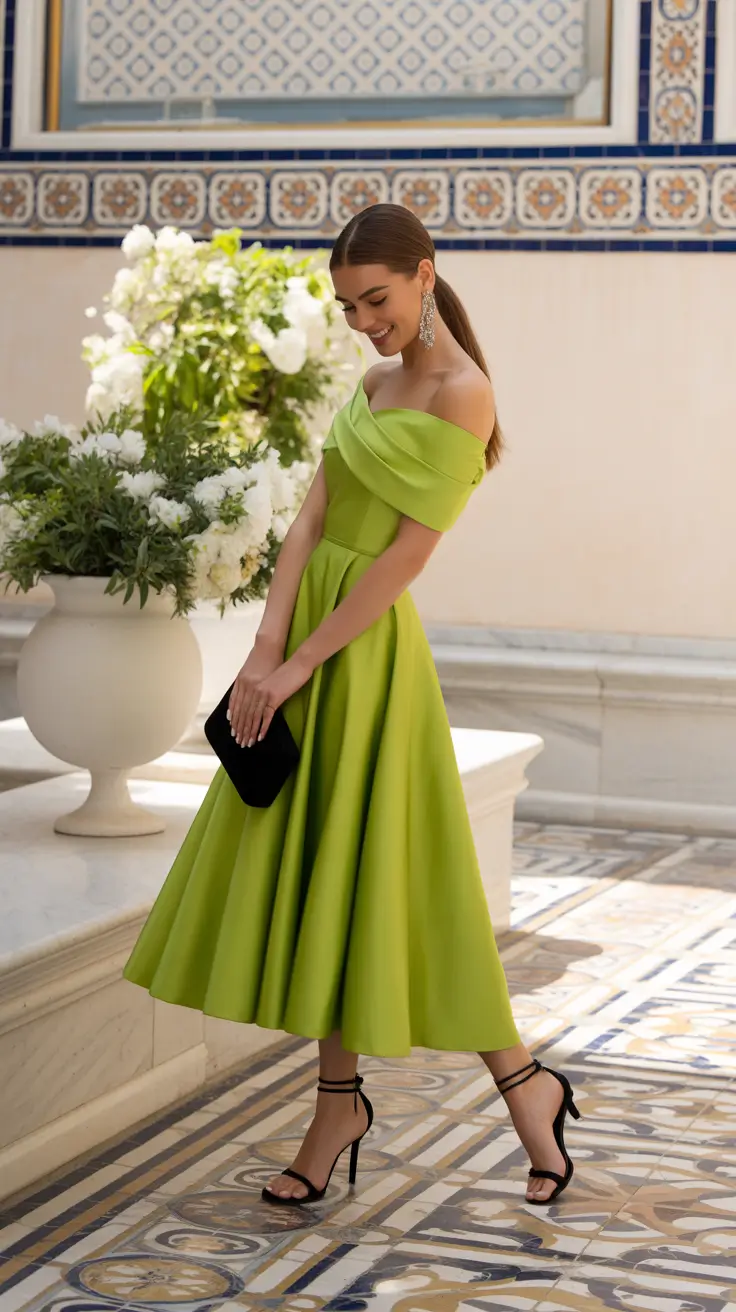
Every dress in ELLE's newest wedding-guest edit comes in under £300, and the smartest one is the dress you can wear again without apology. The dress code here is a wardrobe test, not a one-night stunt, with options that can move from a registry office to a country-house reception to a black-tie dinner without losing their composure. The only hard line is still the obvious one: avoid white, cream or ivory.
The new wedding-guest rule
Forget the old panic-buy model, where the outfit existed for a single Instagram carousel and then vanished into the back of the wardrobe. The season’s most stylish guests are reaching for dresses they will wear time and time again, not one-wear purchases. That shift makes sense in a year when wedding dressing is being judged less on novelty and more on whether the piece has legs, because a dress that can survive multiple invitations is the one that actually earns its price.
Modern wedding formats run from registry-office celebrations to three-day destination weddings and black-tie evenings. The same silhouette does not solve every invitation. A neat midi in a polished fabric can handle daytime city ceremonies; a longer satin dress has more room to breathe at a formal dinner; a quietly printed floral lands exactly where you want it for a summer garden event.
Silhouettes that do the heavy lifting
The strongest wedding-guest shape right now is not complicated. It is a clean midi, a fluid satin gown, or a restrained silhouette that skims rather than shouts. Those cuts read expensive because they rely on line and proportion, not gimmicks, and they are the easiest to rewear with different shoes, bags and outerwear. A dress with a simple waist, a calm neckline and a hem that sits somewhere elegant between knee and ankle will always be easier to style again than something overworked with cut-outs or novelty frills.
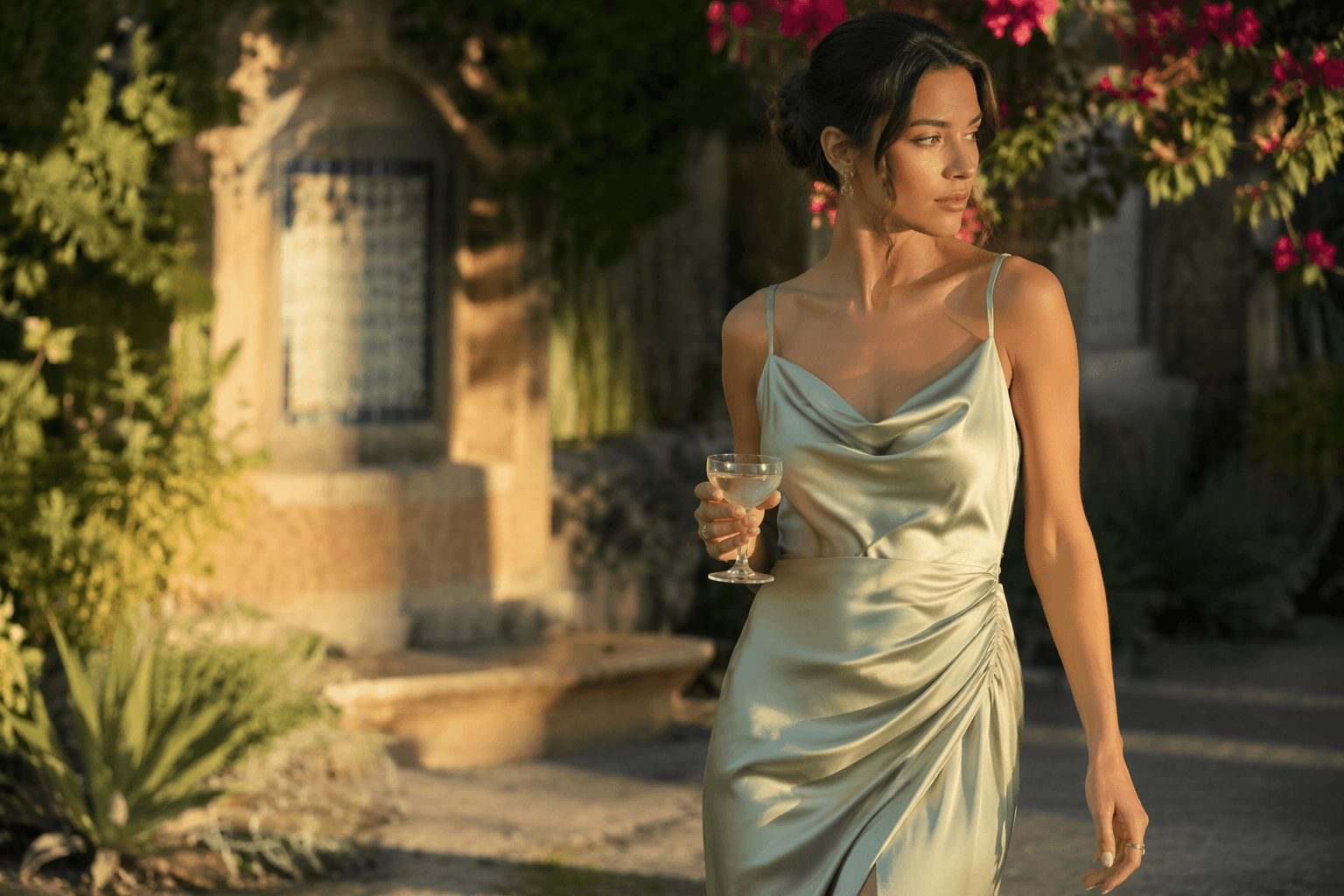
That is why florals still work, but only when they stay elegant. Think soft, disciplined prints rather than hyper-bright tropics, and keep the shape controlled so the dress does not look trapped in a single occasion. A floral midi in a muted palette can go back into rotation for a smart lunch, a gallery opening or a more relaxed summer dinner. The same logic applies to satin: a little sheen lifts a dress instantly, but the cut has to stay grounded, or the fabric starts to feel like costume.
How the price points actually stack up
Mintel found that the average UK consumer who bought a new outfit for a wedding in the previous three years spent £101, so the magazine’s edit sits above impulse-buy territory but still stays well clear of the kind of spend that only makes sense if the dress becomes a repeat player.
The at-a-glance picks show how wide the range can be within that cap. Reformation comes in at £298, which places it at the top of the edit and makes it the obvious choice if you want the most polished investment feel. Holland Cooper’s £179 option leans into a more structured, country-house register, while Marks & Spencer at £30 and H&M at £38 prove that restrained styling does not need to be expensive to look composed. Rixo at £177 sits neatly in the middle, the sweet spot if you want print with enough polish to outlast one event.
What old money style actually means here
The broader fashion mood helps explain why these dresses feel right now. Quiet luxury and old money styling are still shaping how people dress for occasions, which means understatement, investment dressing and a bias toward pieces that look inherited rather than hyped.
That also means the details have to work harder than the trend. A satin finish, a sharp midi length, a carefully pitched neckline, a sleeve that frames the arm instead of competing with it: these are the things that make a dress feel grown-up. Under £300, you are not buying spectacle. You are buying a silhouette that reads clean from across a room and still feels correct when you wear it again with a different shoe and a different mood.
When the dress code gets stricter
Black-tie is still the hardest brief, and it demands more discipline than the softer wedding codes. Debrett’s says this is the most formal dress code most people will ever encounter, and women should wear a full-length evening dress or ball gown. That is the point where a polished satin gown or a long, restrained dress stops being optional and starts being the safe, elegant answer.
Even there, the repeat-wear rule still applies. A long dress in a solid colour or a very controlled print can be reworked for winter events, formal dinners and any invitation that asks for more polish than a midi can carry. The trick is to avoid anything so themed that it only belongs to one wedding season.
The 2026 mood is polished, not precious
The runway conversation for spring and summer 2026 is loud in a very different way, with vivid colours, countless skirts, slouchy suits and a hit of Marie Antoinette romance pushing fashion toward drama. That energy is fun to watch, but wedding guest dressing is where restraint wins. You can borrow the mood without taking the whole costume, which is why a dress with shape, ease and a little sheen feels more current than something chasing every trend at once.
This article was produced by Prism’s automated news system from verified source data, official records, and press releases, then run through automated quality and moderation checks before publishing. The system is built and supervised by the people who set the standards it runs under. Read our full AI policy.
Did this article answer your question?