Equestrian and Cowboy Styles Return as Old Money Heritage Looks for 2026
Equestrian polish and American cowboy-core are the two heritage looks defining old-money dressing in 2026, and The Telegraph has the styling codes for both.
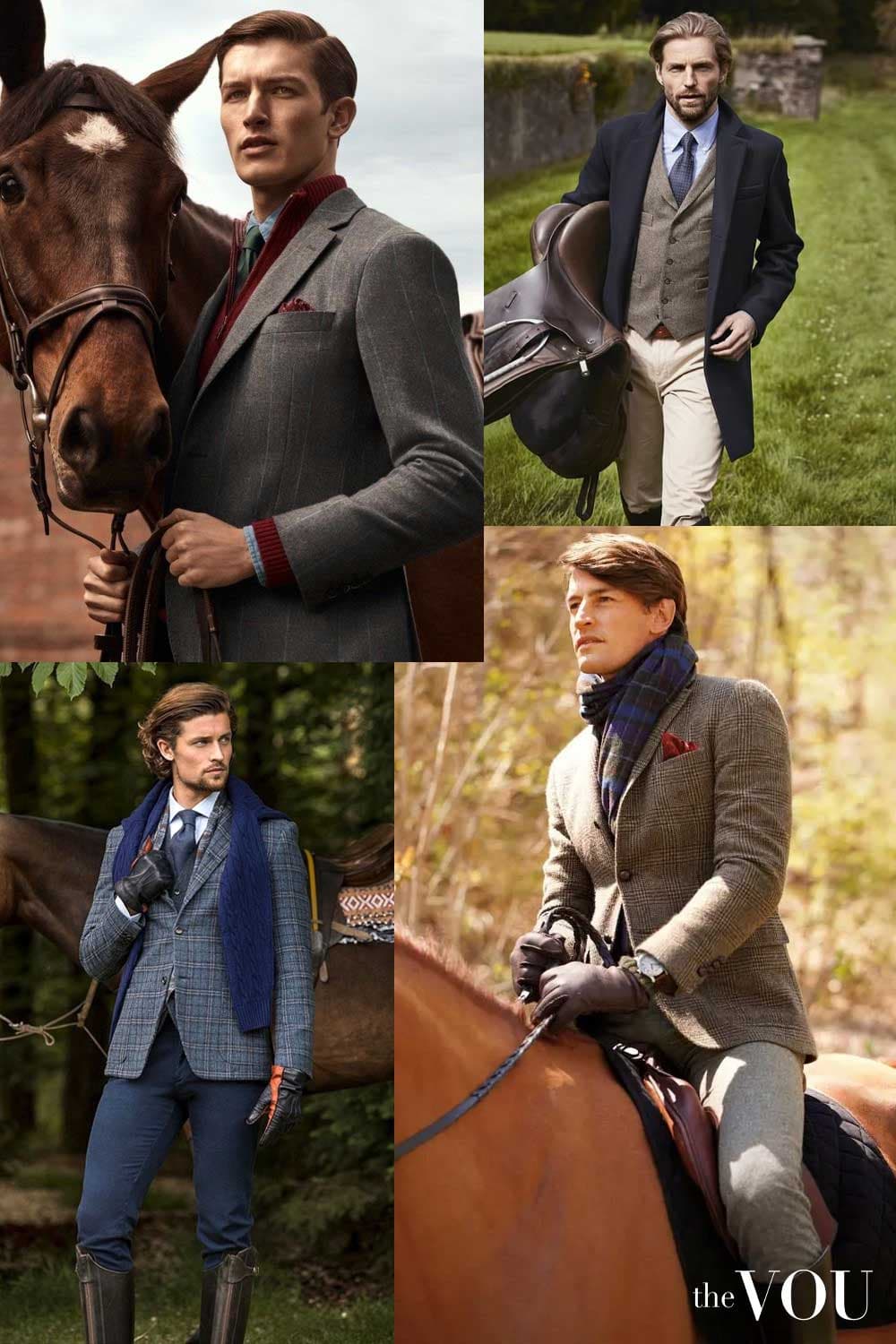
Few trend pairings feel as instinctively right as this one. The Telegraph laid it out plainly this week: both the classic equestrienne and the rougher American cowboy-core are resurfacing in 2026, and in the right hands, both read unmistakably as old-money heritage. They share an origin story rooted in land, animals, and the kind of clothing that was built to last before "investment dressing" became a marketing phrase. The difference is in the register: one is a country estate in Berkshire, the other is a ranch in Montana. Both belong in a well-edited wardrobe right now.
Why these looks have old-money authority
There are certain lifestyles that signal wealth without ever needing to say a word, and the equestrian world sits firmly at the top of that list. Rooted in heritage, discipline, and understated elegance, horse riding has long been associated with aristocracy, country estates, and a slower, more intentional way of living. That cultural weight is precisely what makes the aesthetic so potent as a fashion signal. You don't need a horse. You need the vocabulary.
Equestrian fashion has shaped American wardrobes with two distinct aesthetics: the polished refinement of English riding attire and the rugged charm of Western wear. Both styles resonate with equestrians and fashion enthusiasts alike, offering timeless appeal rooted in heritage and practicality. The Telegraph's guide treats them as a unified moment, and the runways have agreed. Recent runways have been saddling up for a horse-girl renaissance for some time, particularly during the Spring/Summer 2026 season last September, with traditional equestrian motifs at Celine and Hermès, and slightly less obvious silhouettes like riding pants at Chloé and Coperni.
The classic equestrienne: what to wear
The English riding tradition is the more restrained of the two looks, and restraint is exactly the point. At its core, it's built on timeless staples: structured blazers, tailored trousers, fine knits, and beautifully made boots. The palette leans neutral, camel, chocolate, cream, and black, creating a wardrobe that feels cohesive and quietly expensive.
English riding attire originated in the countryside, prioritising functionality and formality. Breeches, tailored jackets, tall boots, and elegant hats were designed for performance in fox hunts and equestrian events. Over time, these elements evolved into a classic aesthetic synonymous with sophistication. The translation into street dressing is seamless: today, this translates into everyday dressing. A pair of knee-high leather boots with a wool coat instantly evokes that polished, countryside elegance, even in the city.
The key silhouette shift for 2026 is the return of slimmer, more tailored proportions. A reignited interest in classic prep style and tailoring at places like Ralph Lauren and Michael Rider's Celine, as well as the emergence of the barn jacket and stirrup leggings, all point to a perfect opening for equestrian style. After years of oversized silhouettes, the desire for the slimmer lines that equestrian dressing demands feels perfectly timed.
For the tweed-and-boot combination that sits at the heart of this aesthetic, the modern approach is technical without being obvious. The traditional tweed hacking jacket has been reimagined for 2026, with modern iterations featuring heritage patterns such as herringbone and windowpane check, but constructed with hidden technical linings that are windproof and water-repellent. Heritage on the outside, function underneath: that's the old-money ethos applied to contemporary life.
Accessories are where the look gets its finishing authority. Lean into the theme via accessories with subtle touches, from scarves and harnesses to emblematic motifs, like the bags at Chloé's Fall/Winter 2025 show, which featured brass discs embossed with horses, or the silk scarves at Michael Rider's debut Celine collection, printed with horseshoe motifs. These are the details that reward close inspection without announcing themselves across a room.
Cowboy-core: the rougher American register
Where the equestrienne is polished and restrained, cowboy-core is about grit, individuality, and the romance of open landscape. Western wear's resurgence highlights its universal appeal. Cowboy boots, flannel shirts, leather belts, and bolo ties embody a rugged, hardworking spirit. The style speaks to individuality, adventure, and a connection to American heritage, making it popular far beyond ranch life.
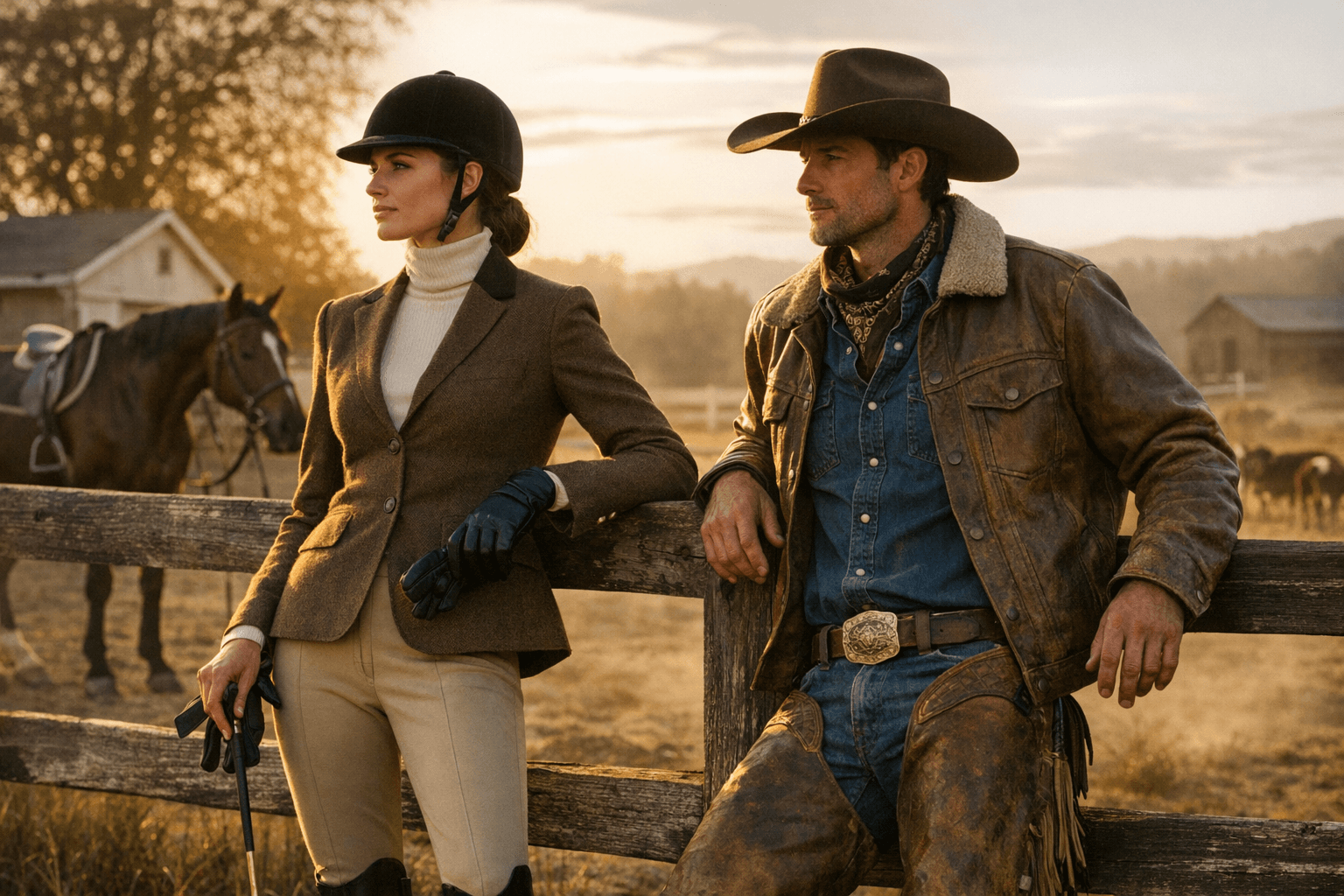
The critical shift for 2026 is maturity. Cowboy-core isn't fading, it's maturing. Cowgirl fashion leans less costume, more lifestyle. The fringe jacket and rhinestone belt buckle version of this trend has been replaced by something far more wearable: quality denim in polished silhouettes, leather pieces with a worn-in patina, and boots designed to carry from morning through evening. One interesting element of the cowboy-core moment is how much it overlaps with classic American heritage style. Western influences have cycled through fashion for decades, but this latest version feels more refined and wearable, with designers leaning into quality denim, structured leather pieces, and subtle equestrian details instead of full-on costume Western.
The runway has provided clear evidence of this shift in tone. At Ralph Lauren's Fall 2026 menswear show in Milan, his first runway show in the city in over two decades, the Western influence carried through a visual transition, with models donning cowboy hats with sharply tailored suits, camel coats with large leather carryalls, and double-breasted coats of considerable severity. This is not costume. It is American luxury with a frontier edge.
On the Ralph Lauren runway, styles ran the gamut from western to Ivy League prep to formal, seemingly offering something for everyone. At the same brand's womenswear show in New York, Lana Del Rey arrived wearing a leather blazer, frilly poet's blouse, and cowboy boots, with the collection's muse cast as a woman who "respects the timeless quality of things from the past but reinvents them for now."
Styling both looks for daily life
The practical formula for wearing either aesthetic without slipping into costume territory is the same: anchor the look in one strong heritage piece, keep the rest of the outfit edited, and prioritise quality in the materials you choose.
- A knee-high riding boot in box-calf leather, worn with tailored trousers or slim-fit denim and a blazer in tweed or herringbone
- Jodhpur-inspired trousers, which have crossed comfortably from the stable to the street, paired with a fine-knit polo or structured shirt
- A barn jacket or quilted gilet over a wool roll-neck for a countryside-to-city moment that requires no translation
- Horsebit accessories at a low volume: one silk scarf, a leather belt, or a structured bag in tan or cognac
For the equestrienne look:
- Cowboy boots remain the foundation of the Western look in 2026, designed to be worn everywhere, not just to the rodeo, paired with polished straight-leg denim and a clean, structured shirt
- A well-worn leather jacket in a neutral, mid-brown shade rather than heavily embellished styles
- A wide-brimmed hat worn with a minimal, tailored outfit to let the hat carry the statement
- Classic denim, good boots, leather accents, and pieces that feel timeless rather than trendy are the building blocks
For cowboy-core:
Both approaches share a single underlying principle: quality over novelty. The concept of quiet luxury is taking hold in equestrian-influenced fashion, favouring subtle branding, neutral colour palettes, and investment in high-quality materials. The preference is for pieces that are timeless and versatile, reflecting discretion and craftsmanship.
The brands to know
Hermès seamlessly integrates its equestrian roots into wearable high fashion, creating pieces that celebrate the refinement of horseback life. For a more accessible take, Ariat and Wrangler offer modernised versions of western ranch wear, blending rugged function with contemporary casual style. Barbour, famous for waxed jackets and outdoor-ready fashion, continues to evoke an English countryside aesthetic beloved by equestrians and city dwellers alike. At the tailored, fashion-forward end, brands like Holland Cooper lead the way with tailored jackets, luxurious knitwear, and classic accessories that seamlessly transition from the equestrian lifestyle to everyday outfits.
The point, ultimately, is that both looks draw their power from the same source: the idea that the best clothes were always made to work hard, look right, and last indefinitely. That is precisely the definition of old money dressing, whether the landscape behind you is an English foxhunt or the American West.
This article was produced by Prism’s automated news system from verified source data, official records, and press releases, then run through automated quality and moderation checks before publishing. The system is built and supervised by the people who set the standards it runs under. Read our full AI policy.
Did this article answer your question?