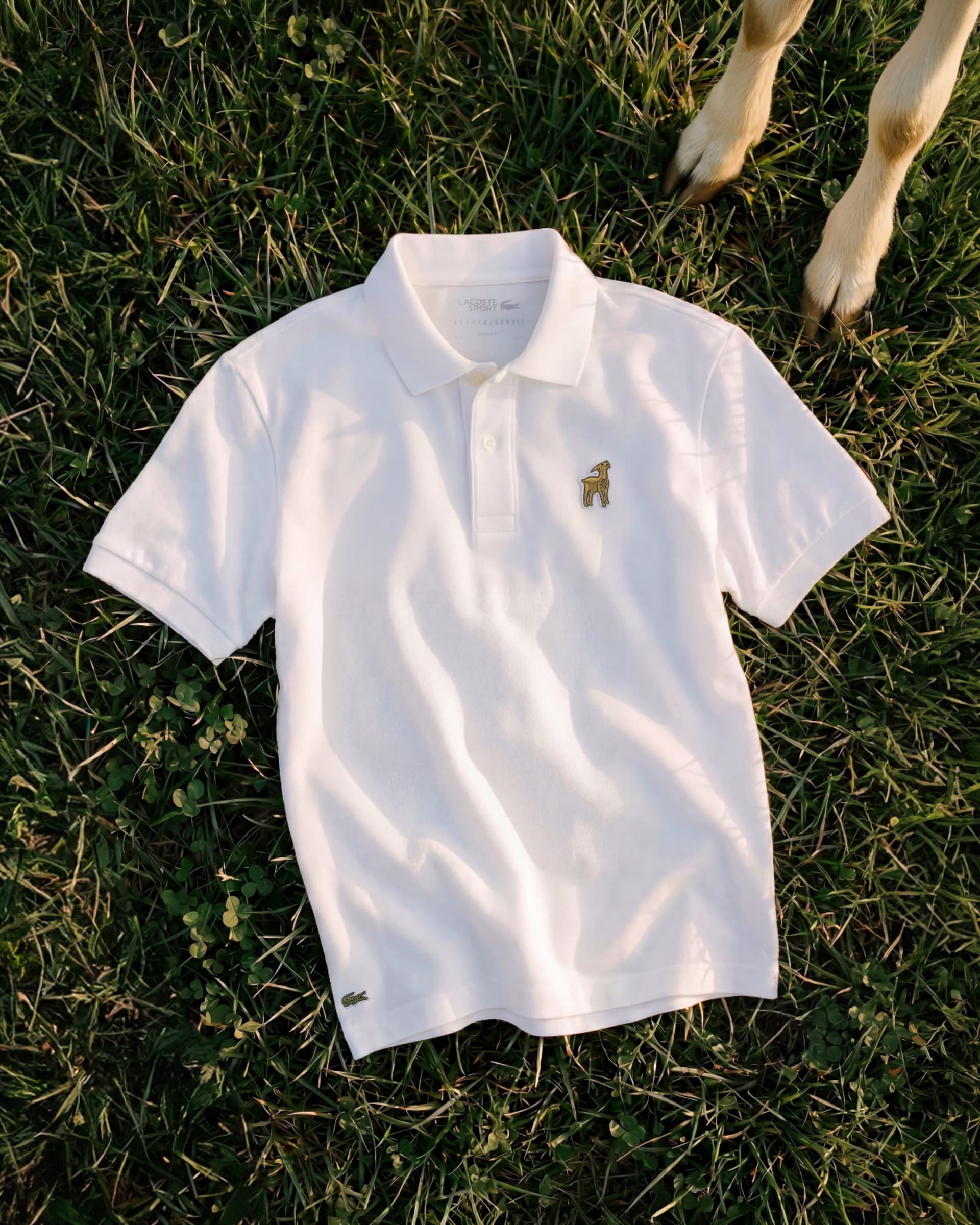
Farfetch Curates Quiet Luxury Staples for an Old Money Wardrobe
The clearest old-money tell is restraint: Farfetch's spring edit leans on tailored pants, suede collars, polished leather, and the kind of finish that looks inherited.

The clearest old-money tell is not a logo. It is the line of the trouser, the softness of a suede collar, and the kind of polished bag that looks expensive because it never begs for attention. Farfetch’s spring curation gets that right by leaning into clean-lined ready-to-wear, rectangular sunglasses, and shoes and bags with a controlled, heritage-coded finish.
The capsule idea behind the edit
What makes this curation work is that it reads like a wardrobe, not a shopping list. The strongest pieces are the ones that can move from weekday city dressing to a weekend lunch without changing character: tailored pants that sharpen a shirt, outerwear that adds texture without bulk, sunglasses that feel precise instead of trend-driven, and leather accessories that hold the whole thing together. That is the difference between looking dressed and looking styled.
The old-money mood has become such a durable fashion shorthand because it mirrors the moment. CNBC tied the rise of quiet luxury and old-money style to the current economic climate and the post-pandemic K-shaped recovery, when visible status markers started to feel cruder and restraint started to feel richer. In other words, the less the clothes shout, the more they signal.
Tailored pants do the heavy lifting
If you are building the capsule from the ground up, start with tailored pants. They are the backbone of the whole look because they do the work a logo never can: they clean up a silhouette, lengthen the leg, and make even a simple knit feel intentional. The Farfetch edit’s focus on tailored pants is smart because these are the pieces that actually earn repeat wear, not just a quick scroll.
The right pair should feel disciplined, not stiff. Think a clean front, a neat break at the shoe, and enough structure to support everything from a crisp button-down to a slouchy sweater. This is where old-money dressing often gets misunderstood: it is not about looking delicate, it is about looking controlled.
Suede-collar outerwear gives the look its texture
Outerwear is where the capsule gets its mood. Suede collars add that one tactile detail that makes a jacket feel less corporate and more inherited, as if it has been worn on real weekends, not just posed for. Farfetch’s spring layering edit pushes this exact idea with TOTEME shearling jackets made with soft suede, which gives the season’s lighter layers a deeper, more grounded finish.
That texture matters because old-money style lives on contrast. A polished trouser looks better beside a worn-in suede edge; a crisp shirt looks better under a jacket that has a little plushness at the collar. The point is not novelty. The point is depth, and suede delivers it without turning precious.
Rectangular sunglasses keep the face sharp
Rectangular sunglasses are the quiet finishing move. They are stricter than a round frame, less fashion-y than a cat-eye, and cleaner than anything that tries too hard to feel vintage. In a wardrobe like this, that shape matters because it reinforces the same message as the clothes: straight lines, no fuss, no theatrical branding.
This is one of those pieces that feels small until you see the whole outfit without it. Then it becomes obvious. A rectangular frame locks in the look by making the face read more composed, which is exactly why it belongs in a capsule built on restraint rather than display.
Polished leather bags and shoes make the outfit believable
Bags and shoes are where the old-money story either lands or falls apart. The Farfetch edit gets that part right by emphasizing polished leather accessories, because a sharp bag and a clean shoe make the rest of the outfit feel credible. If the tailoring is the architecture, leather is the varnish.
The best versions here do not need aggressive hardware or oversized logos to prove themselves. Gucci, Prada, and Saint Laurent all appear in the mix, but the value of those pieces is less about pedigree than finish: a bag that looks structured, a shoe that catches light cleanly, a surface that feels well-kept instead of overdesigned. That is what separates a genuine staple from something that merely borrows the mood.
Why KHAITE fits the brief so well
KHAITE is the clearest example of why this category keeps working. Founded in 2016 by Catherine Holstein and based in New York, the brand builds around what it calls robust yet polished pieces, with exceptional materials, craftsmanship, and subtle details. That philosophy is basically the old-money capsule in one sentence.
It also helps that KHAITE is not a one-note accessories brand pretending to do the rest. Its current collections span ready-to-wear, handbags, shoes, and outerwear, which means the language of the look is baked into the whole wardrobe. Even its retail footprint, with stores in New York, Los Angeles, Costa Mesa, Dallas, and Korea, reinforces that this is a fully developed point of view, not a one-season aesthetic stunt.
The lineage underneath the look
The reason this styling feels so familiar is that it has a long fashion history behind it. Ralph Lauren built an empire around an elite American lifestyle, with English-aristocratic influence adapted for East Coast sportiness, launching his first menswear collection in 1968, a Bloomingdale’s shop-in-shop in 1970, and his first standalone store in 1971. That lineage still shadows the modern quiet-luxury conversation because it gave American dressing a blueprint for looking affluent without looking ornate.
That is why the Farfetch edit makes sense as a spring guide. It is not asking you to chase a trend cycle; it is showing you how to assemble a wardrobe around clothes that hold their shape, age well, and signal taste through finish. The old-money look only works when it feels lived-in, and these pieces get there by being exact, not loud.
This article was produced by Prism’s automated news system from verified source data, official records, and press releases, then run through automated quality and moderation checks before publishing. The system is built and supervised by the people who set the standards it runs under. Read our full AI policy.
Did this article answer your question?