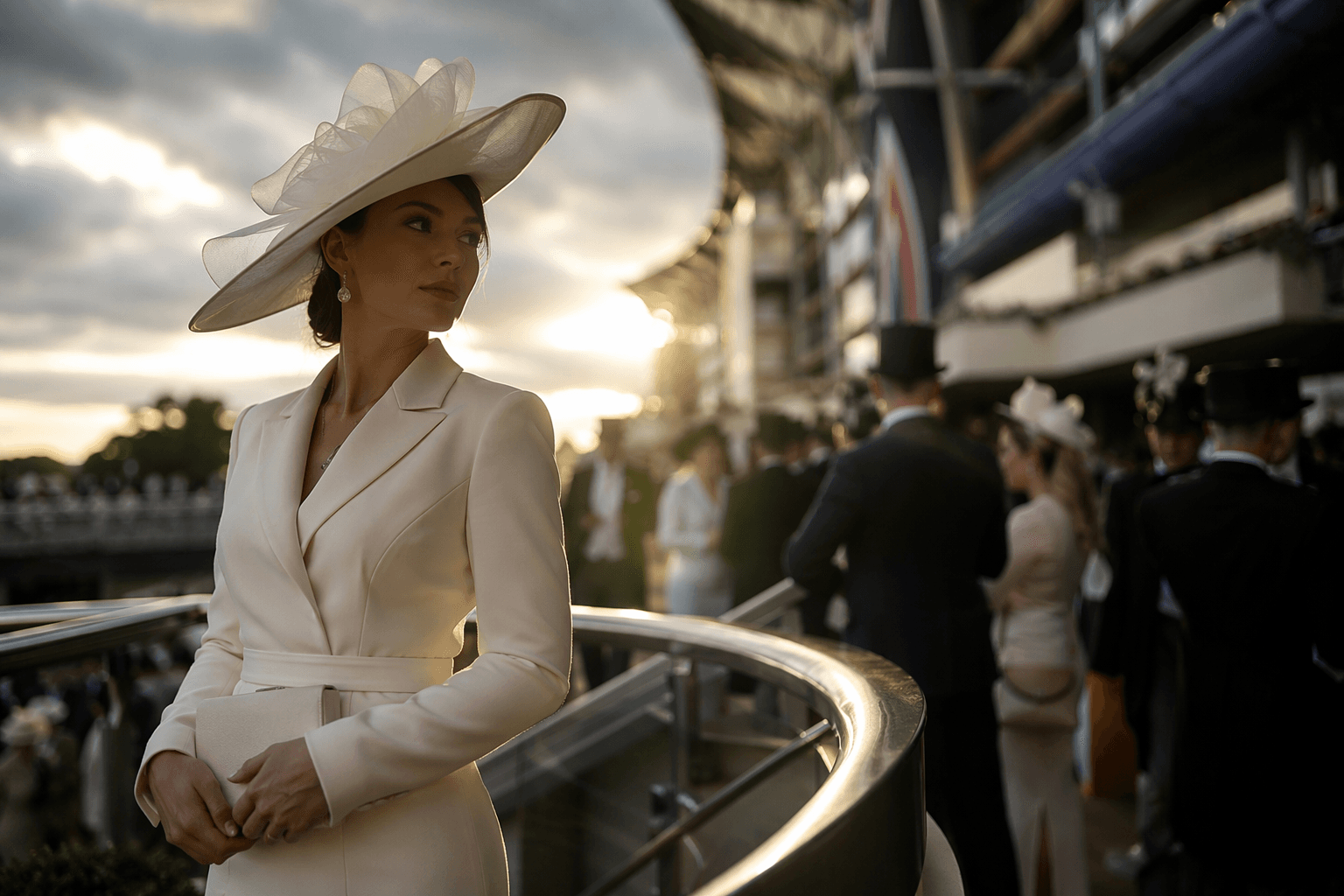
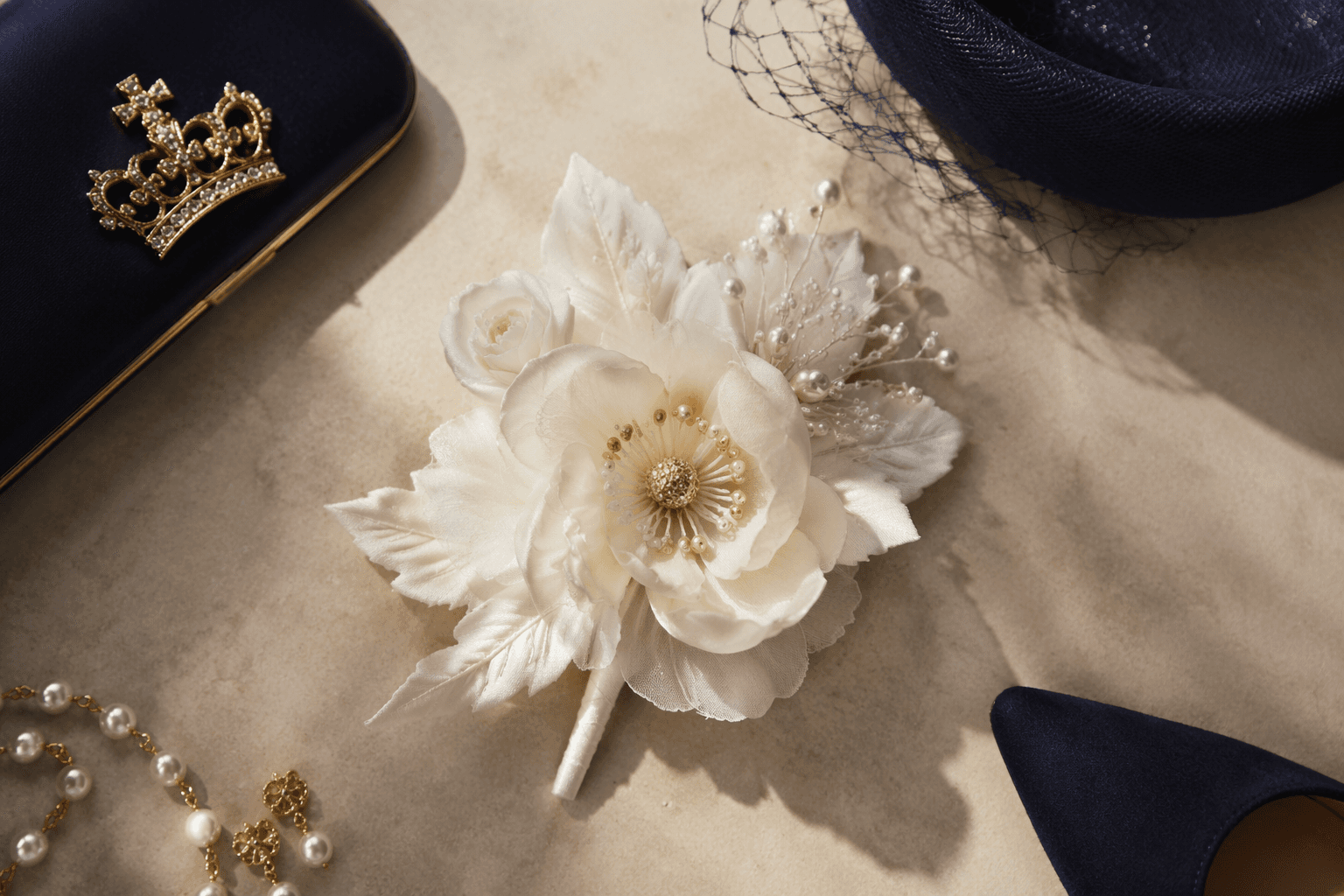
French and American first ladies use style as soft power
French first ladies dress like luxury ambassadors; American first ladies project authority through domestic designers, restraint, and the codes of legacy.
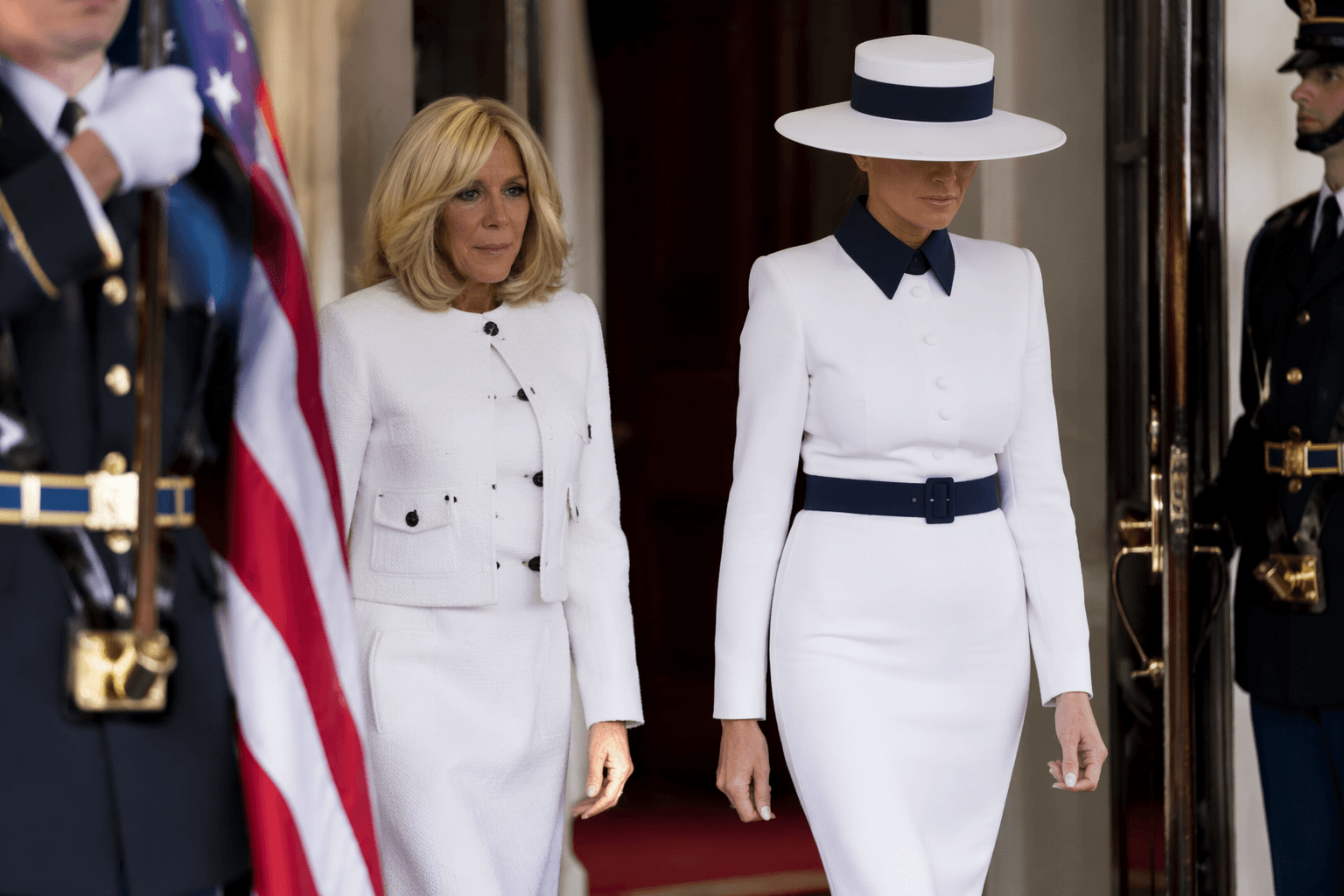
French and American first ladies have long used dressing as a form of soft power, but they do it with different accents. In France, the wardrobe often reads as a national luxury statement, with house names and polished silhouettes doing the diplomatic heavy lifting. In the United States, the message is more guarded and more institutional: the look is meant to signal authority, taste, and civic legitimacy without surrendering the room to Paris.
Two different languages of power
The distinction is not about glamour versus modesty. It is about what kind of prestige a woman is expected to broadcast when she steps into public view. French first ladies tend to wear fashion as an extension of the country’s luxury system. American first ladies, by contrast, are pulled toward domestic designers and a more deliberate sense of national representation, where polish matters as much as brand recognition.
That divide makes sense if you read first-lady style as old-money signaling. French dressing leans into legacy houses, recognizable craftsmanship, and the authority of a long-established fashion ecosystem. American dressing leans into controlled tailoring, symbolic restraint, and the suggestion that elegance can be patriotic rather than imported.
France: luxury as a national signature
Brigitte Macron has become the clearest modern example of the French model. She has repeatedly worn Louis Vuitton at major public appearances, including Paris Fashion Week and state occasions, and her long-standing relationship with Nicolas Ghesquière places her firmly inside the language of contemporary French luxury. The effect is not accidental. It tells the world that French style is not merely personal taste, but part of the country’s cultural export.
That pattern extends across recent French first ladies. Bernadette Chirac was closely associated with Chanel, Carla Bruni-Sarkozy with Dior and Hermès, and Brigitte Macron with Louis Vuitton. Those associations matter because they do not just flatter individual designers; they reinforce a national hierarchy of craft, brand power, and inherited prestige. In French first-lady dressing, the label is part of the message.
Bernadette Chirac’s death at 93 on June 5, 2026, only sharpened the historical frame. She spent 12 years at the Élysée Palace from 1995 to 2007, and her public life was tied not just to couture but to French craft and charity causes. Her presence reminded the fashion world that French first-lady style has always operated at the intersection of ceremonial life, institutional power, and luxury institutions with deep roots.
America: polish with a political purpose
The American tradition starts earlier and feels more civic. Dolley Madison remains the founding figure because she understood that social visibility could become political capital. The White House Historical Association describes her as a formidable hostess who presided over dinners, social events, and her famous Wednesday evening drawing rooms. The White House archives add that her style and social presence helped boost James Madison’s popularity. That is soft power in its purest form: dress, posture, and sociability shaping the public image of a president.
The Smithsonian National Museum of American History turned that idea into an institution. Its First Ladies Collection has been building for more than 100 years and now contains nearly 1,000 objects, including inaugural gowns, clothing, personal effects, furniture, and White House ephemera. The tradition of donating inaugural gowns began in 1912 with Helen Taft, and the collection reaches back to Martha Washington’s gown and Emily Donelson’s gown, the oldest inaugural gown, worn to Andrew Jackson’s 1829 inaugural ball. That is not just costume history. It is a national archive of how power gets dressed.
For readers decoding old-money style, this is the American code: not loud luxury, but carefully preserved legitimacy. The clothes are meant to survive in memory, museum glass, and historical narrative. They are not only worn. They are institutionalized.
Jacqueline Kennedy and the American ideal of controlled glamour
Jacqueline Kennedy remains the clearest American precedent for turning first-lady dressing into a national image system. Her collaboration with Oleg Cassini on the 1961 inaugural gown helped define the Jackie look, a style built on crisp lines, precision, and a modern elegance that still feels recognizably American. It was refined but never fussy, polished but never overwrought.
And yet even that famously American image had Paris in the background. WWD previously noted that the Kennedys spent $30,000 annually on Paris couture and hats ahead of the 1960 election. That tension is the real story: American first-lady style often borrows from French refinement, but it translates those references into a political language of national confidence. The result is a style of power that says more about stewardship than indulgence.
What the old-money codes actually look like
If you want to read these wardrobes the way insiders do, look beyond the brand name and focus on the signals.
- Fabric quality: Melania Trump’s 2025 inaugural gown, presented to the Smithsonian on February 20, 2026, was a strapless off-white silk crepe dress trimmed with two bands of black silk gazar and designed by Hervé Pierre. The fabric pairing alone tells you a lot: silk crepe for fluidity, silk gazar for structure, and a palette strict enough to feel ceremonial.
- Color discipline: French first-lady dressing often uses a controlled palette to sharpen the effect of a luxury label. American first-lady dressing usually tightens the color story even further, using restraint to convey seriousness, stability, and polish.
- Tailoring: French looks often rely on house-signature construction and the confidence of a known fashion vocabulary. American looks tend to privilege fit, line, and posture, with the silhouette doing the talking before ornament does.
- Symbolism: A Louis Vuitton appearance at Paris Fashion Week says one thing in Paris and another in Washington. A gown entering the Smithsonian says something else entirely. The object becomes history, and history becomes part of the wardrobe’s value.
- Restraint: Old-money style is not about appearing plain. It is about looking inevitable. That is why both countries use first-lady dressing so carefully. The clothes are not decoration first; they are position, lineage, and institutional memory made visible.
The current contrast between French and American first ladies shows that quiet luxury is no longer the whole story. What is replacing it is a more legible kind of authority: one side anchored in luxury houses, the other in national institutions and domestic design. In both cases, the best-dressed woman in the room is not trying to be admired alone. She is being read as a statement about where power comes from, who gets to define elegance, and which traditions still carry weight.
This article was produced by Prism’s automated news system from verified source data, official records, and press releases, then run through automated quality and moderation checks before publishing. The system is built and supervised by the people who set the standards it runs under. Read our full AI policy.
Know something we missed? Have a correction or additional information?
Submit a Tip