Gieves and Hawkes targets U.S. clients with quiet luxury push
Gieves & Hawkes is betting Americans are done with logo shouting, opening with just two U.S. flagships and a tightly managed wholesale plan.
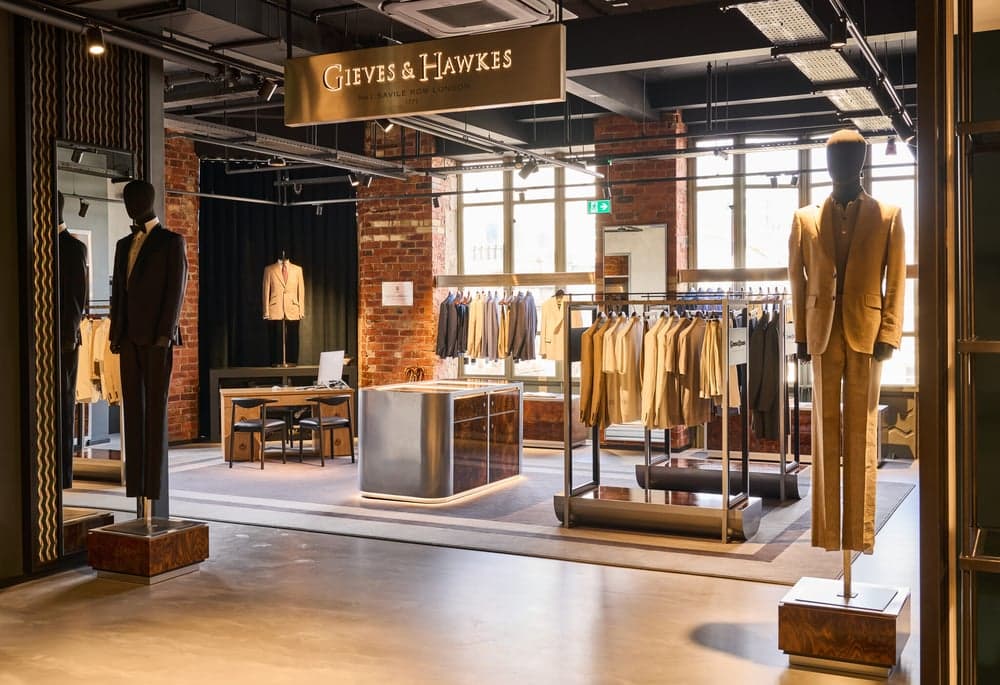
Gieves & Hawkes is making a very specific bet: American men who are over logo-chasing will pay for restraint, and they will pay for it from a Savile Row name with real weight behind it. The 255-year-old tailor is not flooding the market. It is moving with a slow U.S. rollout, planning only two flagships and tightly controlled wholesale, with Los Angeles set to get the first store before New York. That kind of caution reads less like fear and more like discipline.
The house has the pedigree to pull it off. Gieves traces back to 1785, Hawkes to 1771, and the two were united in 1974 before moving to No. 1 Savile Row in 1975. Frasers Group bought the brand in 2022, and the company still leans hard on the kind of history that mass-market quiet luxury brands can only cosplay: royal warrants since the reign of George III, service to British royalty, and a client list that stretches from Lord Nelson and the Duke of Wellington to King Charles III and Queen Elizabeth II.
Jason Gerrard has made the U.S. push look measured rather than flashy. Last month he hosted the brand’s first private dinner in the United States at the British consulate-general’s official residence in Hancock Park, a move that felt more like relationship-building than marketing theater. The brand is also already using trunk shows to reach bespoke clients in San Francisco and Dallas, signaling that it is not waiting for a storefront to validate demand.
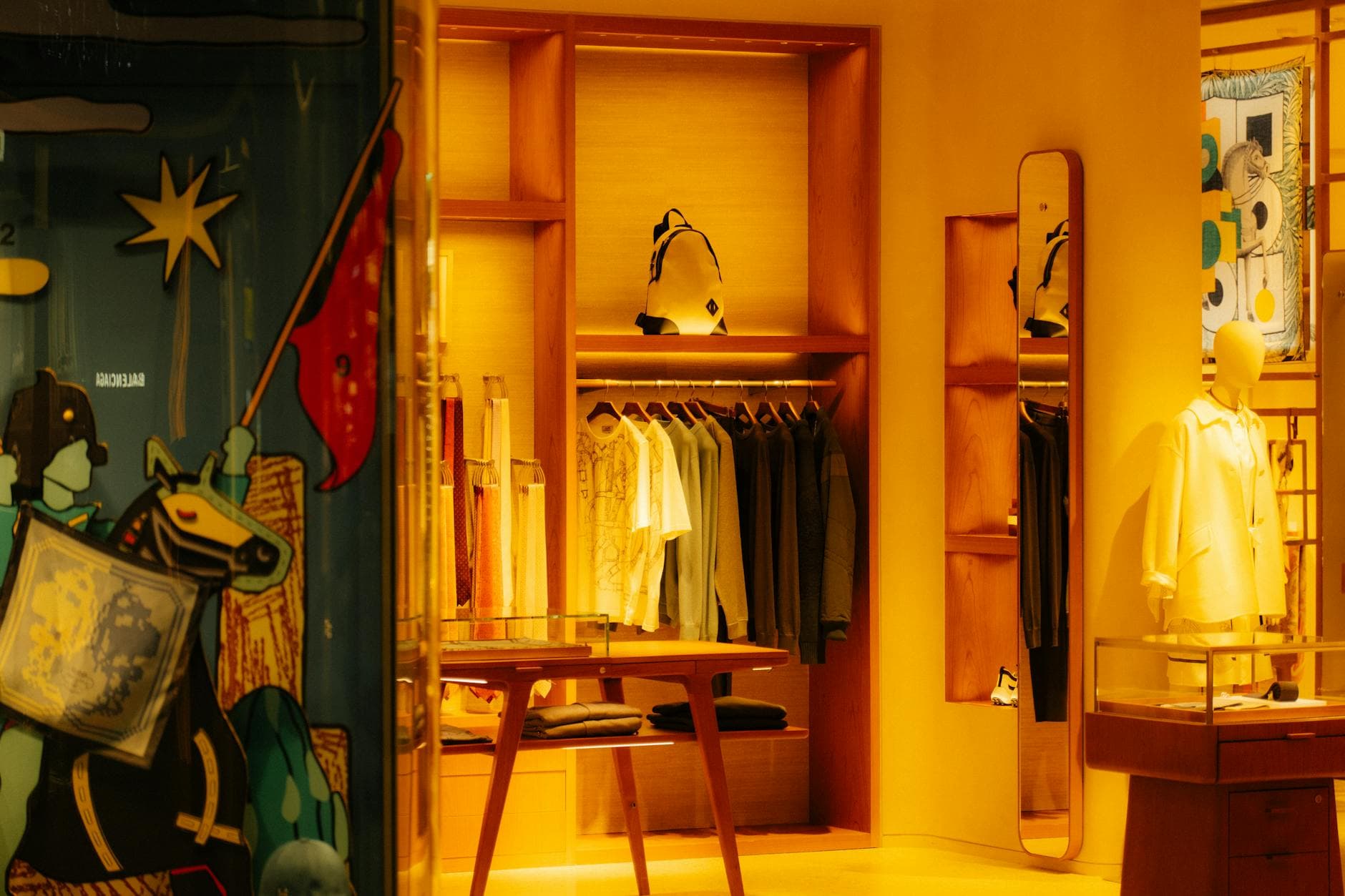
What Gieves & Hawkes is selling is not just a suit. It is a point of view. The brand is pitching “quiet luxury” and “progressive British design creativity” against louder, more seasonal luxury habits, while Gerrard argues that the label’s tailoring offers a different cut and style from Italian rivals. He also says American men are buying tailoring as a lifestyle choice now, not just as office armor, which is exactly why this moment matters.
That is the real old-money signal here. Genuine heritage tailoring does not need a giant logo to prove itself. It shows up in the address, the cut, the cloth, the history of repeat clients, and the fact that a house can still make discretion feel expensive. The market is full of brands trying to sell silence; Gieves & Hawkes is trying to sell authority.
Know something we missed? Have a correction or additional information?
Submit a Tip