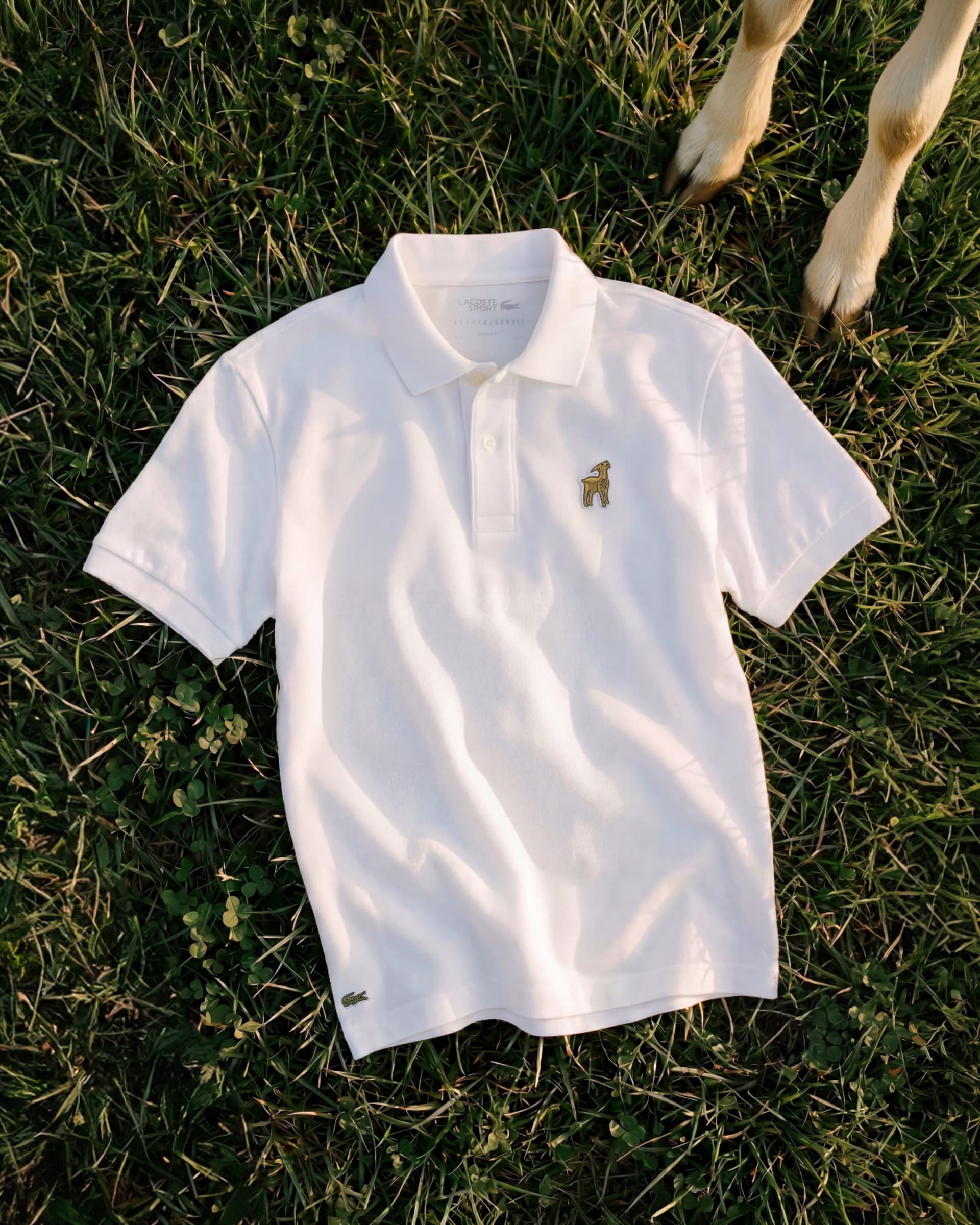
Golf-girl style brings old-money polish to country clubs
Golf-girl style is tenniscore with a dress code: longer hems, structured layers and polished accessories turn old-money polish into the new clubhouse uniform.

Golf-girl style is winning because it looks like it belongs somewhere expensive before it ever feels trendy. The formula is simple enough to read at a glance, longer skirts, quiet-luxury layers, structured pieces, visors and sunglasses, but the effect is sharper than a checklist. It borrows the manners of country-club dressing and gives them a life beyond the green, which is exactly why it feels fresh.
The new country-club uniform
Elite Daily frames the golf-girl look as tenniscore’s preppier country-club cousin, and that distinction matters. Tenniscore was about sporty polish; golf-girl style adds a little more formality, with longer skirts and collared tops doing the heavy lifting. The silhouette is less about flash and more about permission, the kind of outfit that looks right at brunch after nine holes and still feels polished for a chic weekend errand run.
Lizzi Greer, the content creator Elite Daily highlights, keeps the standard practical: the first thing to check is whether the outfit fits a country club dress code. That is the real divide between a thoughtful look and a TikTok costume. If the pieces feel too shrunken, too gimmicky or too obviously performance-driven, the country-club effect disappears. What remains convincing is structure, restraint and enough polish to suggest you know where the clubhouse door is.
The clothes that sell the idea are the ones with clean lines and a little architecture. Structured pieces give the outfit the backbone that athleisure usually lacks, while quiet-luxury layers keep it from looking overdressed. Visors and sunglasses finish the look because they carry the visual language of leisure without breaking it. On the right body, and in the right palette, the result looks less like “dressed for golf” and more like “dressed for a world that owns its own rules.”
Why old-money style and resort dressing now overlap
The golf-girl moment is landing inside a much bigger shift. WWD has described “town and country” and “old money” style as moving into resort wear, with the reference point being the off-duty wardrobes of the British upper class. That gives the trend its old-money undertone: not wealth as decoration, but wealth as ease. It is the kind of dressing that suggests inherited habits, not borrowed ones.
That is also why the look has traveled so well beyond the clubhouse. Resort dressing works when it can move through different settings without losing its shape, and golf-girl style does exactly that. It reads cleanly on the course, but it also makes sense in hotel courtyards, by a beach club lunch table or on a city street where the outfit needs polish more than athletic credibility. The appeal is not that it is sporty. The appeal is that it looks socially fluent.
Elite Daily’s earlier tenniscore framing helped set up this shift by linking polished sportswear to celebrity interest and warm-weather styling. Golf-girl style takes that same visual instinct and slows it down. Instead of chasing the sharper, trendier edge of court style, it leans into the longer skirt, the steadier layer and the more ceremonial accessory. That is why it feels like old money without becoming costume jewelry.
The numbers behind the shift
The fashion story makes more sense when you look at who is actually playing. The National Golf Foundation says women and girls accounted for 60% of growth in on-course participation since 2019. It also says female on-course golfers reached a record 7.9 million in 2025, and women now make up 28% of traditional golfers, the highest share on record. When a sport adds that many women, its style codes stop being niche and start becoming visible in the mainstream.
The broader participation picture is even bigger. The National Golf Foundation says the female golf participant pool, including off-course activity such as Topgolf, simulators and driving ranges, has risen 85% over the past decade to nearly 15 million women and girls. Its latest industry total puts the U.S. golf audience at 29.1 million on-course golfers plus another 19 million off-course-only participants. That is a massive audience for any aesthetic to circulate through, especially one built around social settings as much as sport.
The foundation’s annual survey, which has tracked golf participation every year since 1986, gives this surge long-term weight. Golf is no longer only the preserve of the traditional male player in a narrow uniform. The market now includes a much larger female base, and the clothing around the sport is reflecting that shift in real time. The golf-girl look is part of that recalibration, with a softer, more polished and more socially versatile version of club dressing moving into view.
What separates the polished version from the TikTok version
The difference is in the signals you keep. Longer hemlines matter because they soften the silhouette and move the outfit away from fast-fashion provocation. Structured knits and shaped layers matter because they create the disciplined line that country-club dressing has always relied on. Visors and sunglasses matter because they carry the vocabulary of leisure without shouting for attention.
What you skip is just as important. If the look starts leaning on novelty, it loses the old-money restraint that gives it credibility. If every piece is overtly sporty, the outfit starts reading like activewear instead of clubwear. The strongest versions look like they could have belonged in a very particular locker room, but they are styled for a life that does not end there.
That is why golf-girl style is sticking: it draws on institution, etiquette and leisure-class dressing, then translates those codes for a more visible, more female-driven audience. The result is not a costume for people pretending to belong. It is a polished wardrobe language that makes the country club feel like the center of the conversation.
This article was produced by Prism’s automated news system from verified source data, official records, and press releases, then run through automated quality and moderation checks before publishing. The system is built and supervised by the people who set the standards it runs under. Read our full AI policy.
Did this article answer your question?