Harper’s Bazaar roundup spotlights the rise of quiet luxury dressing
Quiet luxury is shifting from whisper mode to a sharper uniform. Harper’s Bazaar UK’s June edit shows long lines, restraint and heritage polish setting the pace.
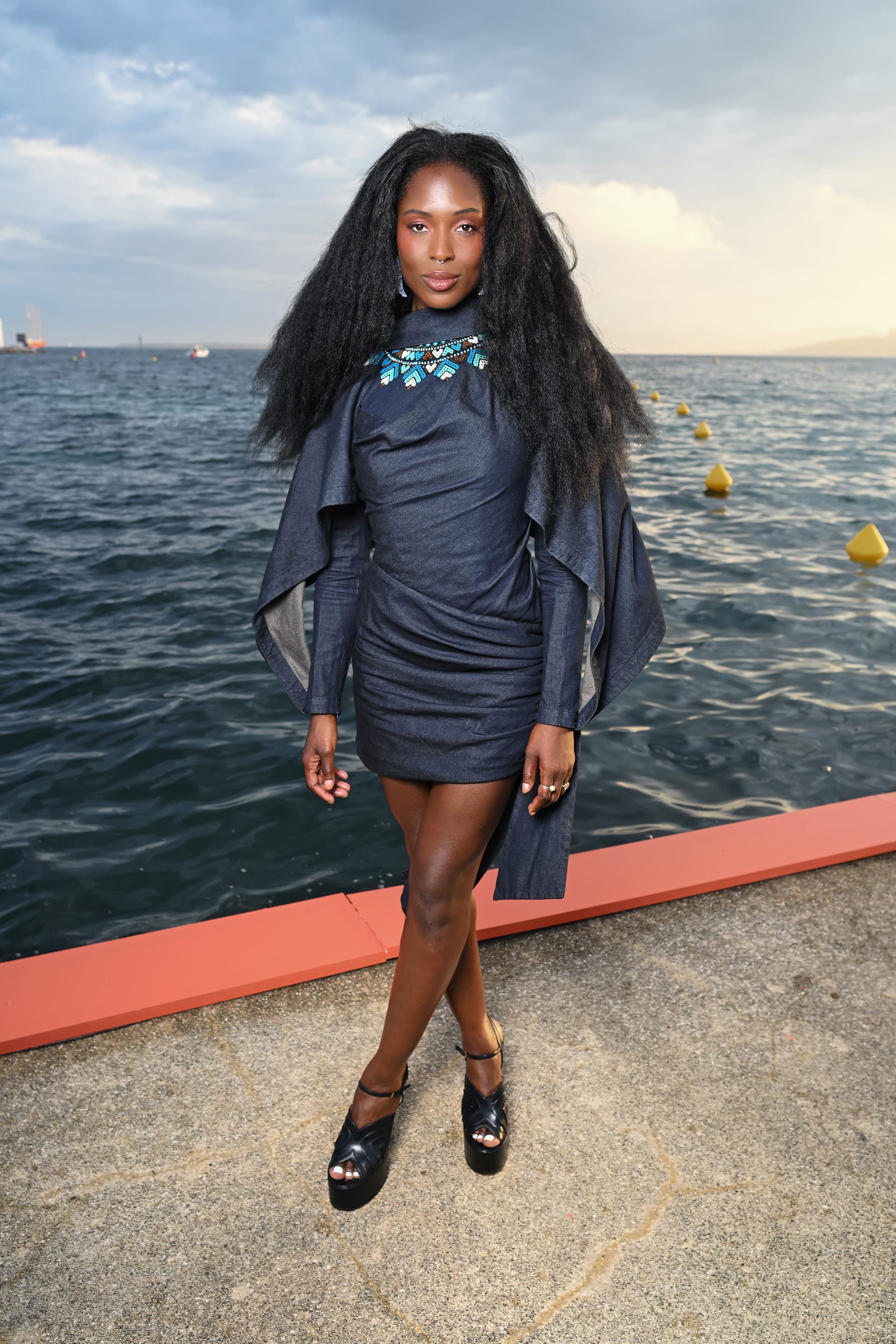
The quiet-luxury conversation has stopped whispering and started editing the room. Harper’s Bazaar UK’s best-dressed roundup, published on 3 June 2026 at 17:57 UTC with the tease “Don't miss the most stylish looks of the month so far…,” reads like a live market signal: Emily Blunt and Jodie Turner-Smith are the faces in the mix, but the real story is the silhouette shift underneath them.
The new old-money code
This is not loud status dressing dressed up as restraint. It is a cleaner, more legible version of polish, where the clothes look chosen with discipline instead of bravado. The surrounding early-June coverage tells the same story: restwear, long summer dresses with French-girl ease, and the best wedding-guest dresses for summer 2026 all point toward a wardrobe built on composure, not spectacle.
That matters because old money style has changed its social signal. The point is no longer to look expensive in a way only insiders recognize; it is to look like the kind of person who has never needed to prove anything. In 2026, that means softness where it counts, structure where it matters, and no appetite for logo noise.
The silhouettes repeating now
What keeps showing up is a tight cluster of polished shapes, and they are the real momentum clues. Long-line tailoring is the biggest one, because it carries the authority old-money dressing depends on: straight through the body, calm at the shoulder, and controlled from top to hem. When a jacket or dress stretches the line instead of chopping it up, the effect is immediate. It reads as inherited taste, not trend-chasing.
The second repeating shape is the long dress, especially the kind Harper’s Bazaar frames through Paris street style. That is a smart tell. When a summer staple moves from a style niche into a magazine’s mainstream edit, the hemline is no longer a footnote, it is the point. The long dress works because it gives ease without slouch, and that combination is exactly why it is crossing into old-money mainstream style right now.
Then there is restrained eveningwear, which is where the trend gets more interesting. The market has had enough of sparkle-as-personality, and the new polished evening look is cleaner, quieter, and more exacting. Think less decoration for decoration’s sake, more body-skimming drape, controlled shine, and a shape that holds its own in daylight as well as at night.

What feels mainstream, and what still feels editorial
Not every piece of this shift is equally transferable. Long-line tailoring and long dresses are already sliding into everyday old-money style because they are easy to translate across wardrobes, budgets, and settings. They work for a dinner in Paris, a summer wedding, or a red-carpet moment without changing their language.
Restwear is more directional. It fits the broader move toward understated dressing, but it still lives closer to fashion-editor shorthand than to mass-market uniform. It tells you the wearer understands the codes, but it does not yet feel as universally adopted as the long dress or the tailored column.
Susie Cave’s demi-couture line, Weddings and Funerals, lands in the same conversation but on the more intimate, more artful end of the spectrum. The name alone says plenty: this is heritage-leaning dressing with a slightly spectral mood, the kind of fashion that treats ritual seriously and still refuses to shout. It reinforces the idea that refinement is not disappearing, it is just getting more personal.
Why Bazaar’s roundup matters now
Harper’s Bazaar UK is packaging this as more than a celebrity best-dressed list, and that is the sharp part. The roundup sits alongside stories about restwear, Parisian long dresses, wedding-guest dressing, and Susie Cave’s new demi-couture line, which makes the whole early-June run feel like a single editorial thesis. Polished dressing is back in focus, but the version winning right now is disciplined, low-drama, and rooted in craft.
That is the real read on old money fashion in 2026: the strongest silhouettes are the ones that look as if they have been worn, inherited, and refined over time. The clothes that matter most are not the loudest ones in the room, but the ones that make status look effortless again.
This article was produced by Prism’s automated news system from verified source data, official records, and press releases, then run through automated quality and moderation checks before publishing. The system is built and supervised by the people who set the standards it runs under. Read our full AI policy.
Did this article answer your question?