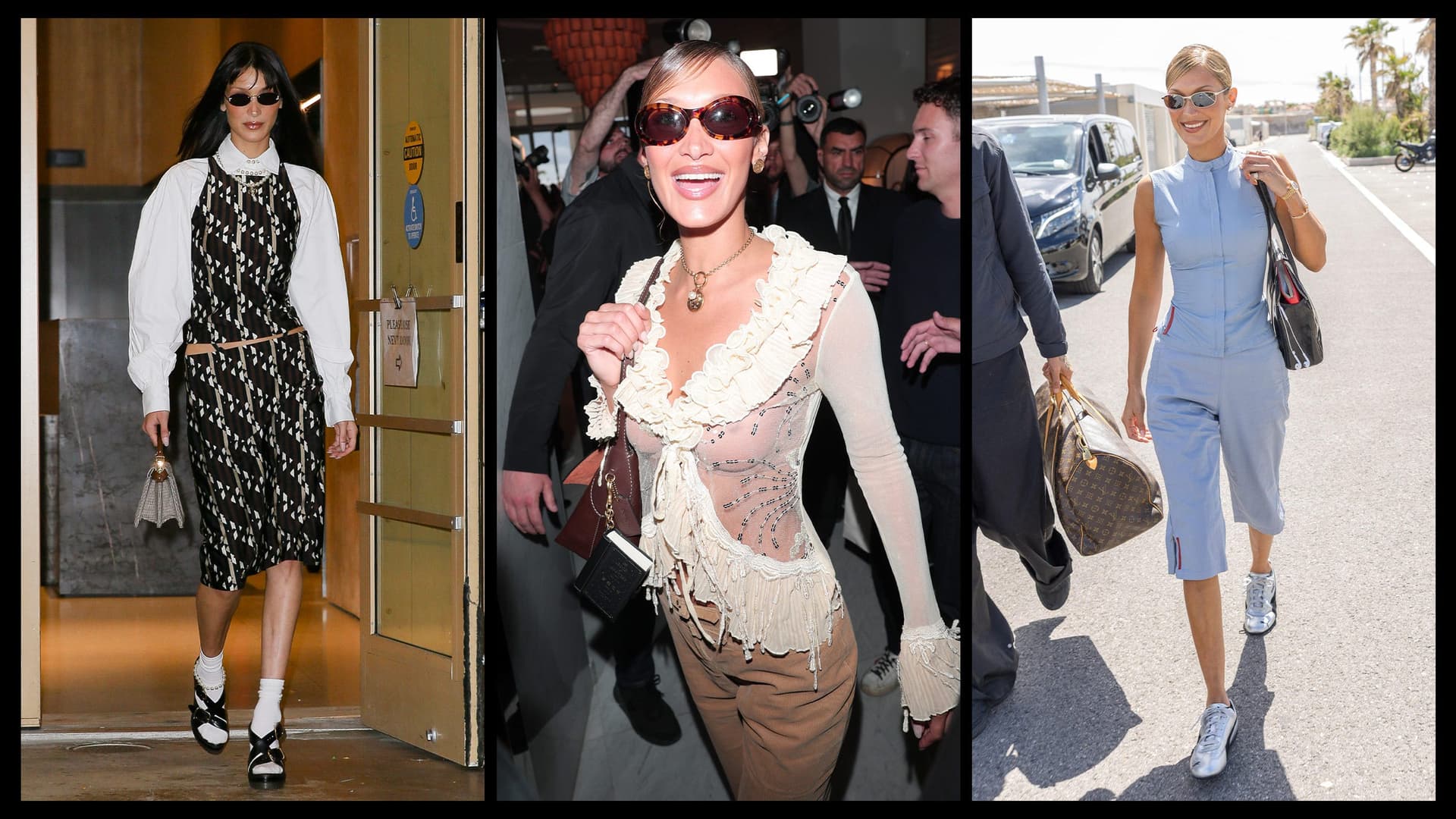
Harry Lambert turns eBay into a styling tool for vintage luxury
Harry Lambert is using eBay like a styling desk, not a bargain bin. The real flex now is archival luxury that reads as quiet confidence, not fresh-off-the-rack noise.
The real luxury flex is already wearing its history well
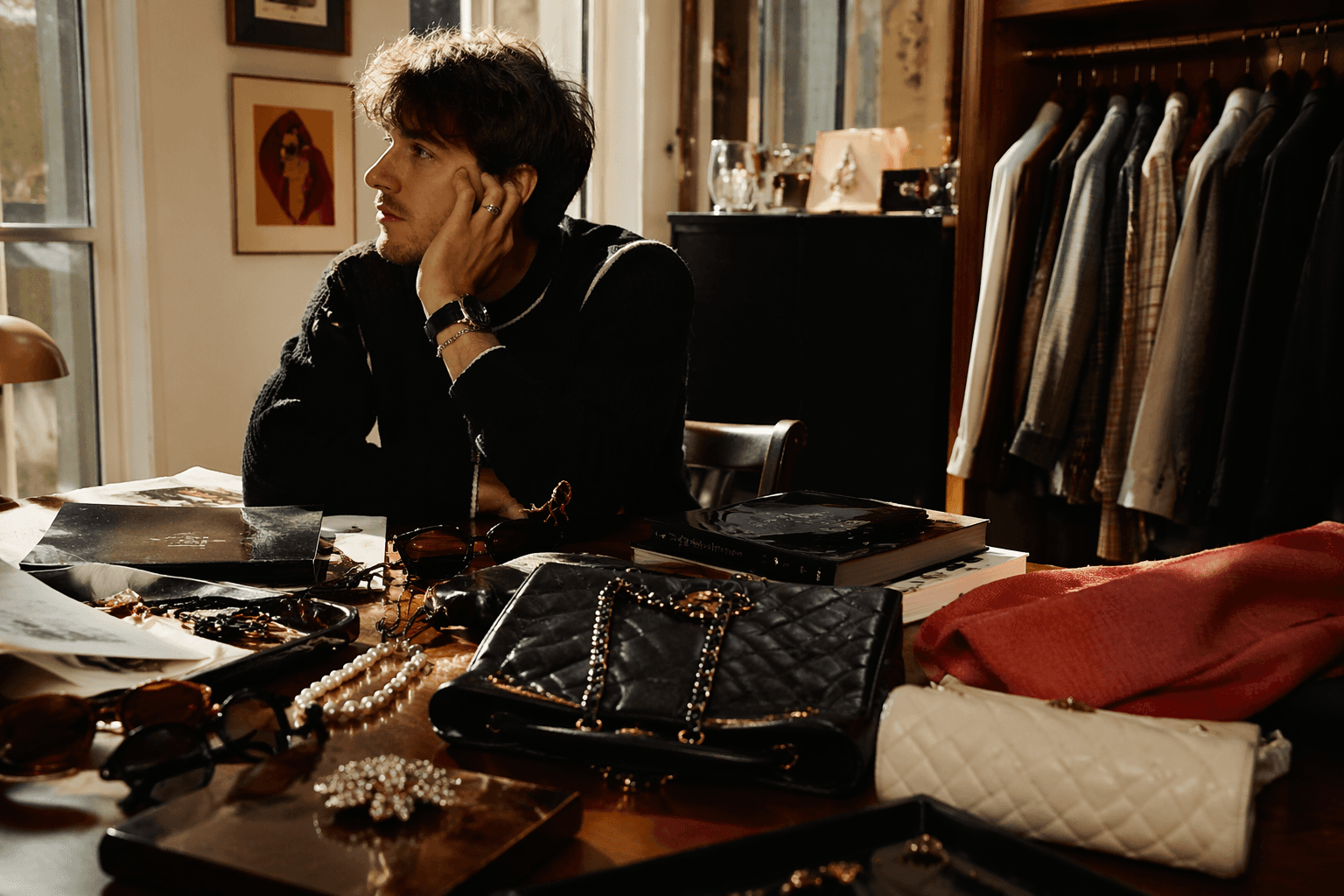
The sharpest old-money wardrobes are not built on obvious new-season buys. They are built on pieces with mileage, authority, and just enough patina to prove they have lived a life before they reached you. That is exactly why Harry Lambert’s eBay habit lands: he treats vintage luxury as an active styling language, not a collector’s museum.
eBay’s Spring/Summer 2026 Watchlist, published on May 14, 2026, is built from platform insights drawn from 136 million active buyers and roughly 2.5 billion listings. eBay describes it as a shoppable style guide, which is the right phrase for this moment. The site is not just tracking what sells. It is translating resale into taste, and the names leading the luxury pack, Louis Vuitton, Gucci, Burberry, Chanel, Prada and Dior, tell you legacy still matters.
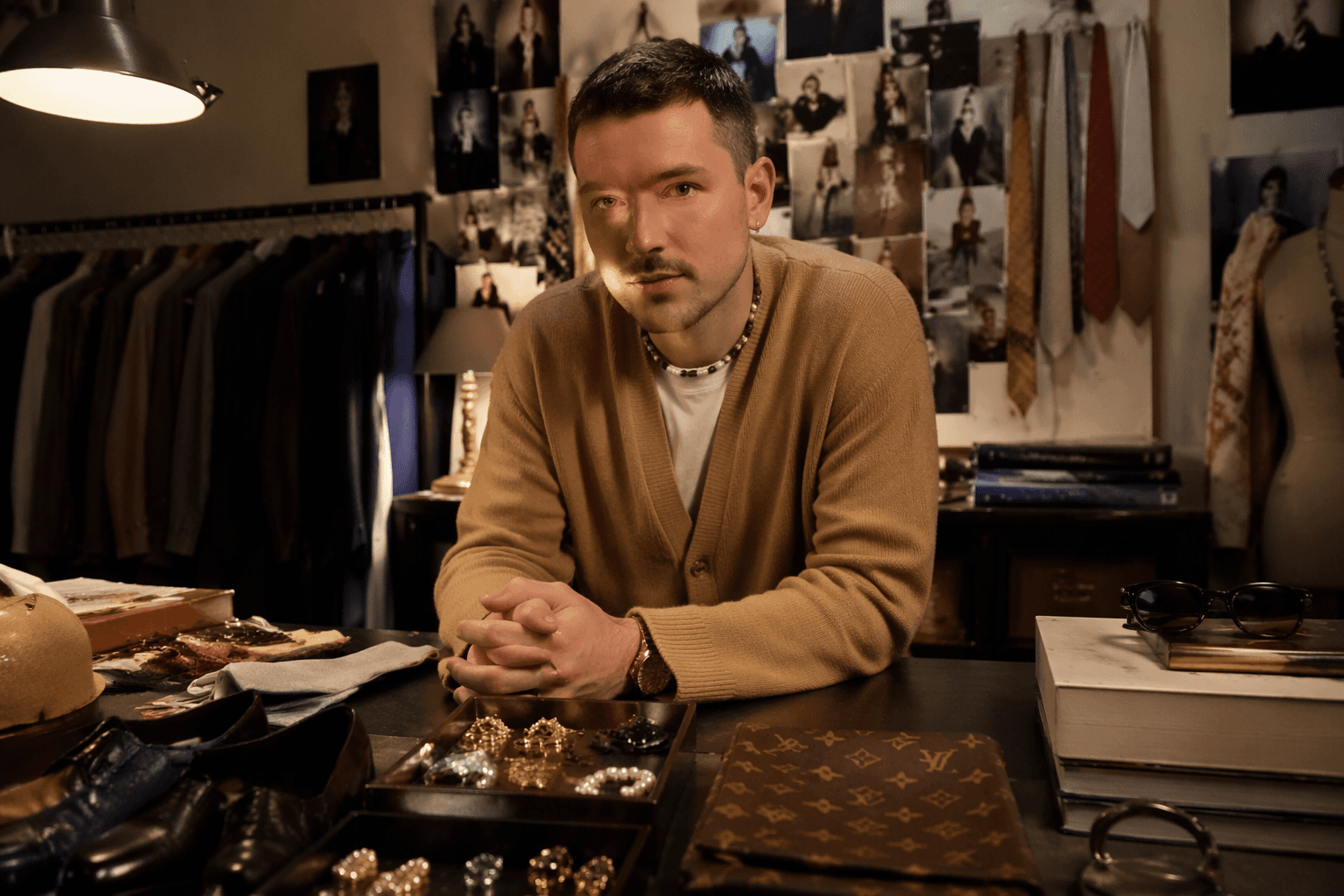
Lambert fits the brief perfectly. The London-based stylist has shaped the public image of Harry Styles, Emma Corrin and Alexander Skarsgård, while also working on editorial projects for Vogue and WSJ. Magazine. He has said he has been buying more tailoring recently and is leaning into “quiet confidence,” which is the point in one phrase: vintage is no longer a side road for bargain hunters, it is how people who know the codes build credibility.
Vintage luxury is status literacy, not thrift-store luck
Old-money dressing has always been about reading signals correctly. The bag is not just a bag, the coat is not just a coat, and the cufflinks, loafers, scarf, or watch are doing the heavy lifting. What eBay’s Watchlist shows is that resale now functions like a live vocabulary for that kind of dressing, because the market is crowded with recognizable house signatures that already carry cultural weight.
That is why the best vintage purchases are the ones that feel inevitable on the body. A Chanel flap with softened edges and clean quilting reads polished in a way that a brand-new logo piece often does not. A Burberry trench with a proper shoulder and a collar that sits flat against the neck looks like money because it understands proportion. A Dior saddle bag, a Louis Vuitton monogram trunk piece, or a Prada nylon accessory works when the shape is intact and the design language is still legible from across a room.
The goal is not to look hunted. It is to look chosen.
What to look for in legacy-house bags
When you are shopping vintage bags, start with the silhouette before you get seduced by the label. The strongest pieces still hold their structure, whether that means a boxy top-handle bag, a soft but defined shoulder bag, or a compact crossbody with hardware that has aged into a warm, brushed tone rather than a brittle shine. If the bag has collapsed beyond recognition, the styling power drops fast.
Then check the details that tell you whether the piece has real provenance. Look for consistent stitching, hardware that matches the era of the design, a lining that feels intact rather than reconstructed, and wear that looks honest instead of aggressively polished. A good vintage bag should show age, but not confusion. The leather can be softened, the corners can be touched, but the form should still read as the house intended.
For old-money dressing, this is where restraint matters. A legacy-house bag should look like it came from a wardrobe, not a costume rack. The point is credibility, and credibility comes from proportion, condition, and original intent.
Tailoring is where the quiet confidence lives
Lambert’s shift toward more tailoring makes sense because tailoring is the fastest way to turn vintage into authority. A great pre-loved blazer or coat does something new purchases often do not: it carries a silhouette already approved by time. You feel it in the shoulders, the weight of the wool, the way a lapel folds, the way a jacket hangs when it is buttoned and unbuttoned.
Look for jackets with clean shoulder lines, a lapel that rolls properly, and a body that skims instead of clings. Double-breasted styles signal polish, but single-breasted jackets can feel just as powerful if the drape is right. Trousers should break with intention, not puddle by accident. A hem that has been altered too many times, or fabric that shines at stress points, is usually a sign that the piece has been overworked.
This is where vintage becomes a smarter entry point into prestige fashion. Instead of paying full retail for a brand-new blazer that may still need time to feel natural, you get a garment with character already built in. The texture is richer, the line often sharper, and the styling possibilities are broader because the piece already has a point of view.
Accessories are the easiest way to speak the language
If a coat and bag are the headline, accessories are the accent. This is where old-money styling gets precise: a silk scarf tied with a loose knot, a belt with understated hardware, a pair of sunglasses with a vintage frame shape, or jewelry that looks inherited rather than engineered for a trend cycle. The best accessories do not shout their house name; they signal fluency.
That matters because eBay’s current luxury leaders, from Chanel to Prada to Dior, are exactly the brands whose accessories still carry instant recognition without needing to be loud. A silk scarf with a faded border, a pair of classic loafers, or a discreet leather belt can shift an outfit from polished to expensive-looking in one move. The trick is choosing pieces with enough integrity to feel elevated and enough wear to feel believable.
Why the Watchlist matters now
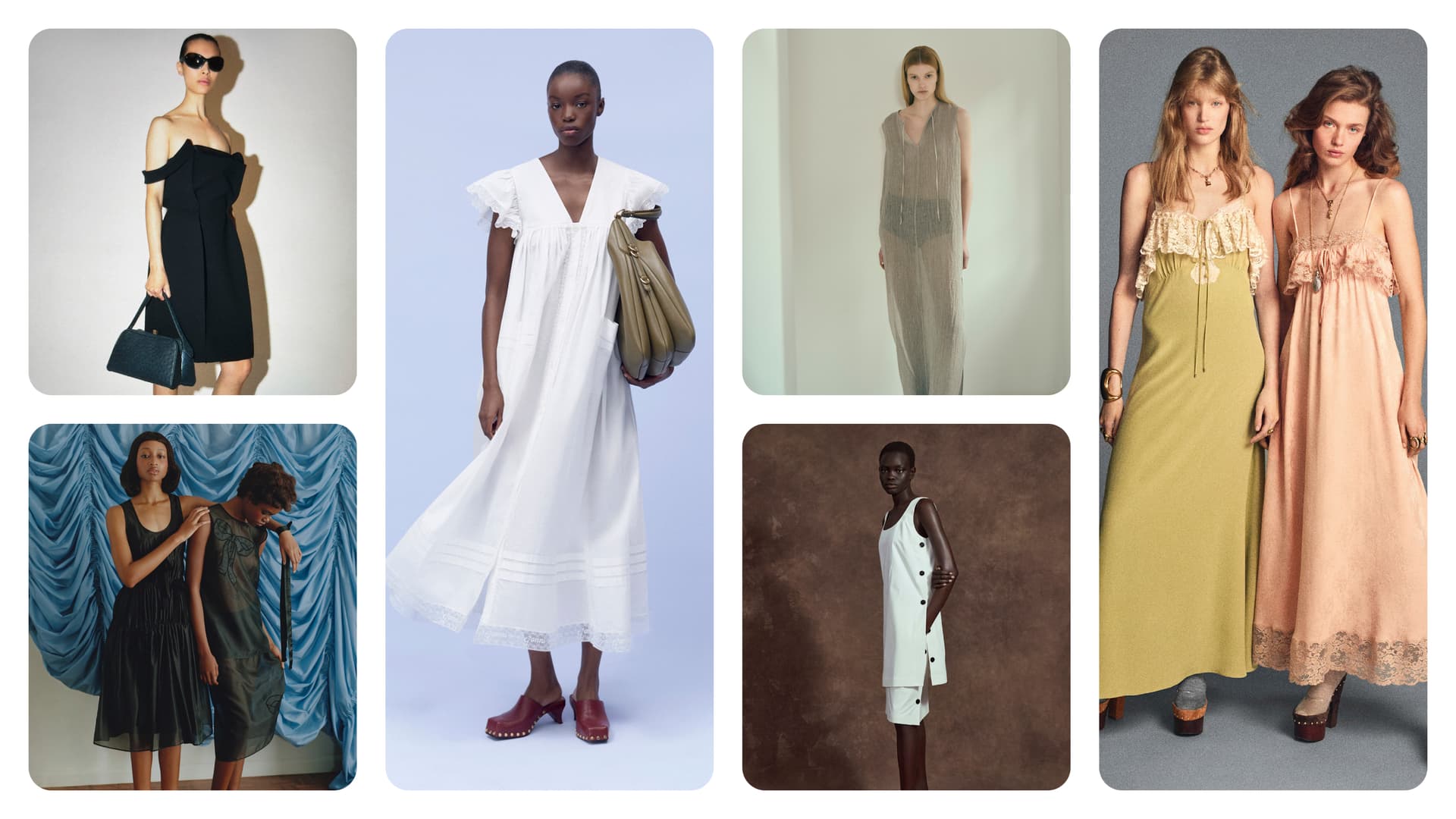
The five SS26 trend labels, Color Interruption, Slightly Unsettled, Weightless Drama, Drenched in Disruption and Quiet Confidence, read like a snapshot of fashion moving away from rigid quiet luxury and toward something more expressive. The market wants tension now: a flash of color against a camel coat, a delicate fabric cut with attitude, a polished piece worn in a way that feels slightly off-kilter but still controlled.
That is where resale gets smarter than retail. Instead of waiting for a season to decide your taste for you, you can build a wardrobe from archival luxury that already understands the codes and still leaves room to play. A vintage bag becomes a styling tool. A tailored jacket becomes a posture. An accessory becomes proof that you know the difference between status and noise.
eBay has been pushing this direction beyond the screen too, returning to Fashion Month in 2025 with pre-loved runway shows in New York and London in partnership with the CFDA and British Fashion Council. That move made the message plain: pre-loved fashion is not sitting on the sidelines anymore. It is part of the main event.
The real shift is simple. Vintage luxury is no longer the fallback. It is the shortcut to authority, and in old-money dressing, authority is the whole game.
Know something we missed? Have a correction or additional information?
Submit a Tip