Hidden treasures at The Shed trace French luxury and diplomacy
French luxury turns archive into soft power at The Shed, where Hermès and Louis Vuitton objects read like diplomatic arguments.

Luxury as cultural power
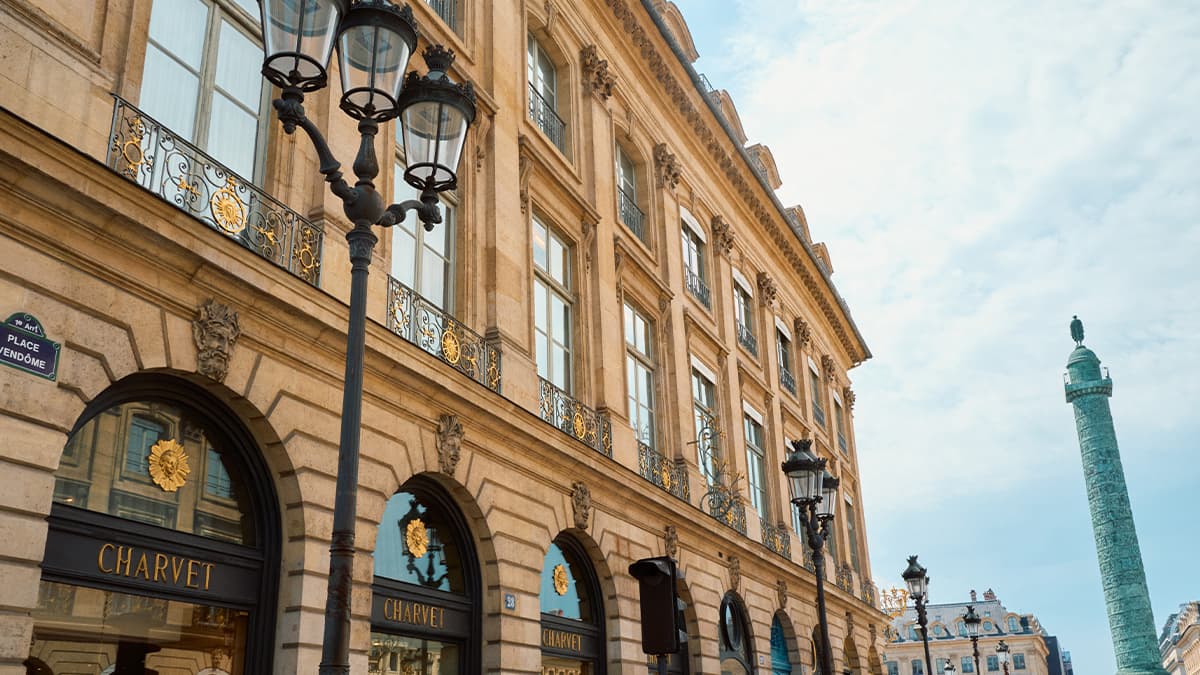
The sharpest thing about Hidden Treasures at The Shed is not how beautiful it is, but how strategically beautiful it is. By gathering archive pieces and museum objects into a single, museum-framed exhibition, Comité Colbert turns French luxury into a form of cultural diplomacy, where heritage is not nostalgia but authority. In old-money style terms, this is the real status signal: provenance, restraint, and objects with a documented life before they ever entered the room.
A French luxury story built for Manhattan
Hidden Treasures, 250 Years of Franco-American Luxury Stories runs from May 26 to May 31, 2026 at The Shed in Manhattan, and it arrives as part of celebrations marking 250 years of friendship between France and the United States. The timing matters because 2026 is already being treated as a commemorative year, with July 4, 2026 marking the 250th anniversary of the American Declaration of Independence and official French and American programming framing the year as a major moment for Franco-American history.
The exhibition is not a single-brand showcase dressed up as a cultural event. It is a coalition piece, organized in partnership with Villa Albertine, Lizzie and Jonathan Tisch, JCDecaux, WWD, The Wall Street Journal, and ISG Luxury Program. That breadth gives the project a different kind of polish: less runway spectacle, more institution-building, the sort of framing that says luxury houses are not merely selling products but helping write the visual language of transatlantic prestige.
What makes the collection feel distinctive
Comité Colbert says the exhibition brings together more than 65 French luxury Maisons and cultural institutions, a record participation for an international event of this kind. The show is structured across five thematic chapters, which allows it to move beyond simple object display and into narrative. Instead of treating archive as a static vault, the exhibition traces more than two centuries of creative resonance and artistic exchange between France and the United States, connecting luxury to diplomacy, identity, art, and pop culture.
That is the difference between a beautiful object and an object with power. A historic Hermès Kelly bag from around 1950 and historic Louis Vuitton trunks do not simply signal taste. They carry the disciplined memory of craftsmanship, travel, and social codes, the kind of inheritance that still reads as refined because it has outlasted trend cycles. In an era when fashion often chases velocity, the authority of an archive piece lies in its refusal to hurry.
Why old-money aesthetics still win
Old-money style has never been only about looking expensive. It is about appearing as though your possessions arrived through continuity rather than consumption, and that is exactly the register Hidden Treasures occupies. Hermès, Louis Vuitton, and the broader constellation of French maisons translate history into modern relevance by making the archive feel alive, legible, and worth studying under glass.
That museum framing is crucial. Once a leather trunk or a Kelly bag is positioned as an artifact, it stops behaving like a luxury purchase and starts behaving like evidence. It proves that French luxury houses have the rarest asset in fashion: not novelty, but narrative. And in a market where decorative maximalism keeps pushing against the codes of quiet refinement, that narrative offers a different kind of confidence, one rooted in continuity rather than display.
The house behind the houses
Comité Colbert gives this exhibition its institutional backbone. Created in 1954 at the initiative of Jean-Jacques Guerlain, the organization takes its name from Jean-Baptiste Colbert, the 17th-century French statesman associated with the building of national industry and royal authority. That naming choice still feels pointed: it links modern luxury to statecraft, making craft and culture part of the same long argument about French influence.
Today, Comité Colbert says it brings together 96 French luxury Maisons, 17 cultural institutions, and 6 European luxury Maisons. That scale matters because it shows how deeply organized French luxury is as a cultural system, not just a retail category. The organization’s stated mission is to passionately promote, patiently transmit, and sustainably develop French savoir-faire and creation, and Hidden Treasures is a neat expression of that philosophy in exhibition form.
Why this exhibition matters now
The appeal of old-money aesthetics in 2026 is not accidental. As fashion cycles swing between spectacle and sobriety, heritage becomes a kind of safe harbor, but also a status code that feels more intelligent than flash. Hidden Treasures captures that mood perfectly, because it does not ask you to admire luxury for being shiny. It asks you to admire it for being historically fluent.
That is why the exhibition feels larger than a display of rare objects. It shows how French luxury houses convert archives into authority, and how that authority still plays beautifully in New York, where cultural capital and commercial power have always shared the same runway. In the end, Hidden Treasures is less about looking back than about proving that old-world polish still speaks the loudest when it is placed in the right frame.
This article was produced by Prism’s automated news system from verified source data, official records, and press releases, then run through automated quality and moderation checks before publishing. The system is built and supervised by the people who set the standards it runs under. Read our full AI policy.
Did this article answer your question?