Icicle rides China’s quiet-luxury wave with Paris expansion
Icicle is building old-money credibility without European costume, using Shanghai scale and Paris expansion to turn Chinese quiet luxury into a global status code.

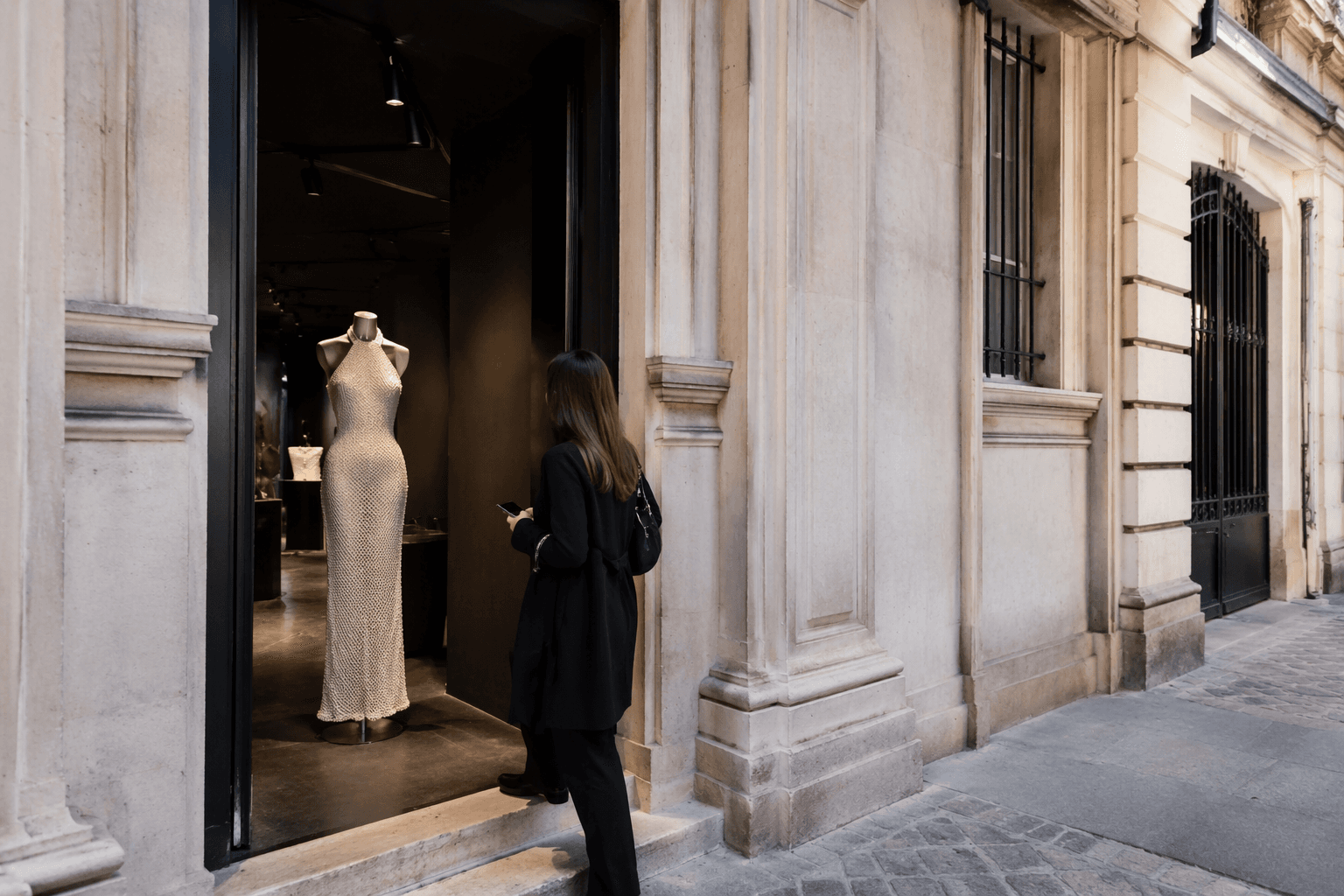
Icicle is trying to pull off the hardest move in luxury right now: make Chinese quiet luxury feel inevitable in Paris without borrowing the usual European family-tree theatrics. Founded in Shanghai in 1997 by Ye Shouzeng and Tao Xiaoma, the label has built its case on vertical integration, natural fabrics and a retail map that now stretches from Beijing to Paris.
The code is restraint, but the machine is industrial
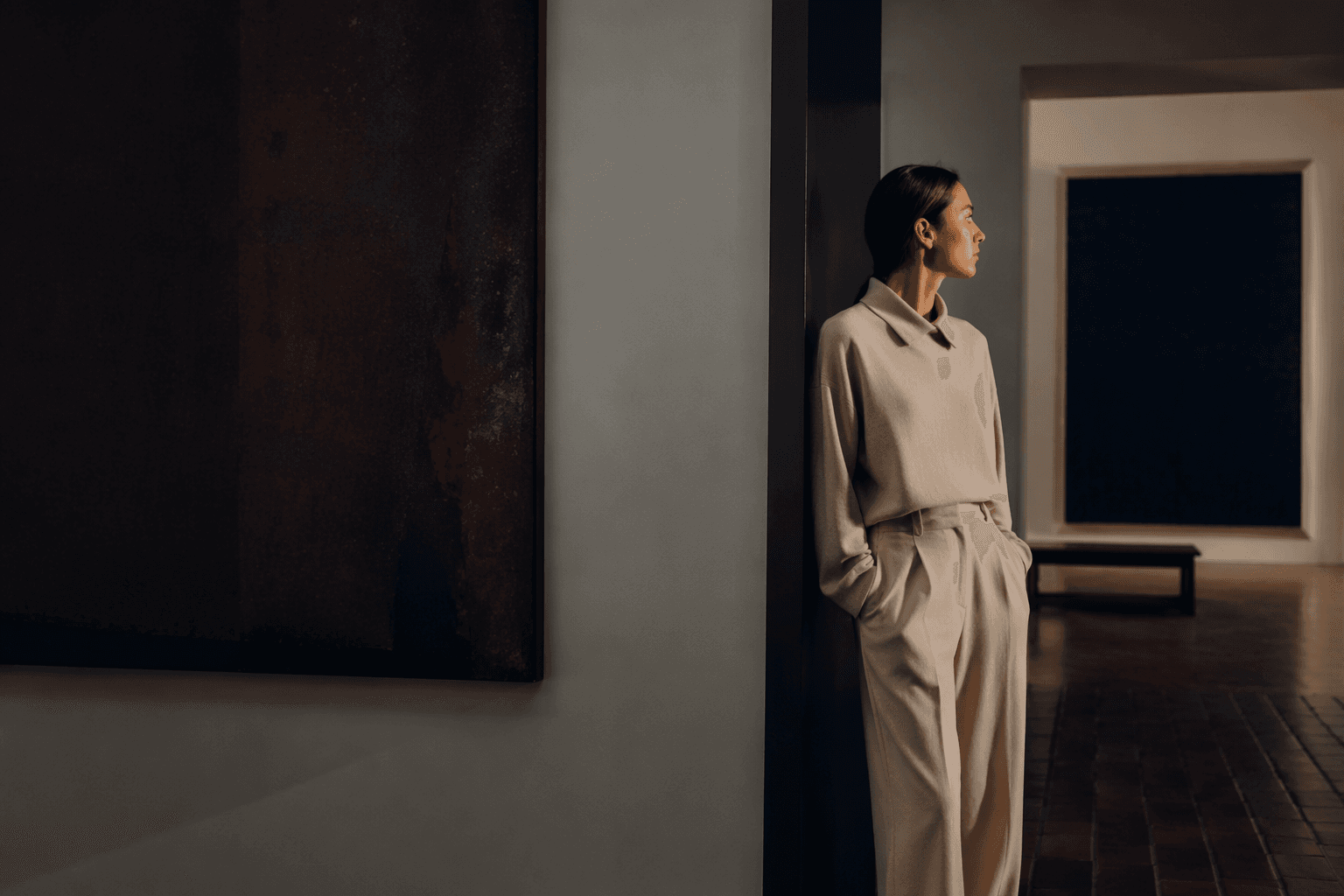
Icicle’s philosophy, “Made in Earth,” is doing more than selling sustainability. It gives the brand a language of harmony between human and nature, which is exactly the kind of soft-spoken value system that old-money dressing leans on when it wants to look effortless instead of branded. The difference is that Icicle is not pretending to be an inherited European house. It is selling a modern Chinese version of discretion, with the business infrastructure to keep that promise consistent.
The company says it has been vertically integrated for 30 years, and that matters because quiet luxury is brutally unforgiving. If the fabric pills, the cut slips, or the shade of black changes from one season to the next, the whole illusion collapses. Louise Xu, Icicle’s executive president, has made the brand’s retail concept part of the story, tying it to rising interest in Chinese brands and to the different ways Chinese and Western customers read status, restraint and polish.
Retail is the flex
Icicle says it has more than 200 stores, with flagships in Beijing, Shanghai and Paris. Other recent tallies place the brand at about 240 stores in China and four boutiques in Paris, while another count puts it at 242 points of sale across roughly 100 Chinese cities. That spread is the point: old-money fashion only works when it feels quietly omnipresent, not frantically distributed.
There is also a more revealing number hiding in the history. One recent profile counted more than 300 shops opened in China over 25 years, alongside concept flagships on Avenue George V and Rue du Faubourg Saint-Honoré in Paris. Those addresses are not random real estate flexes. They put Icicle inside the luxury circuit where traffic is made of editors, clients and locals who know instantly whether a brand belongs there or is just renting the room.
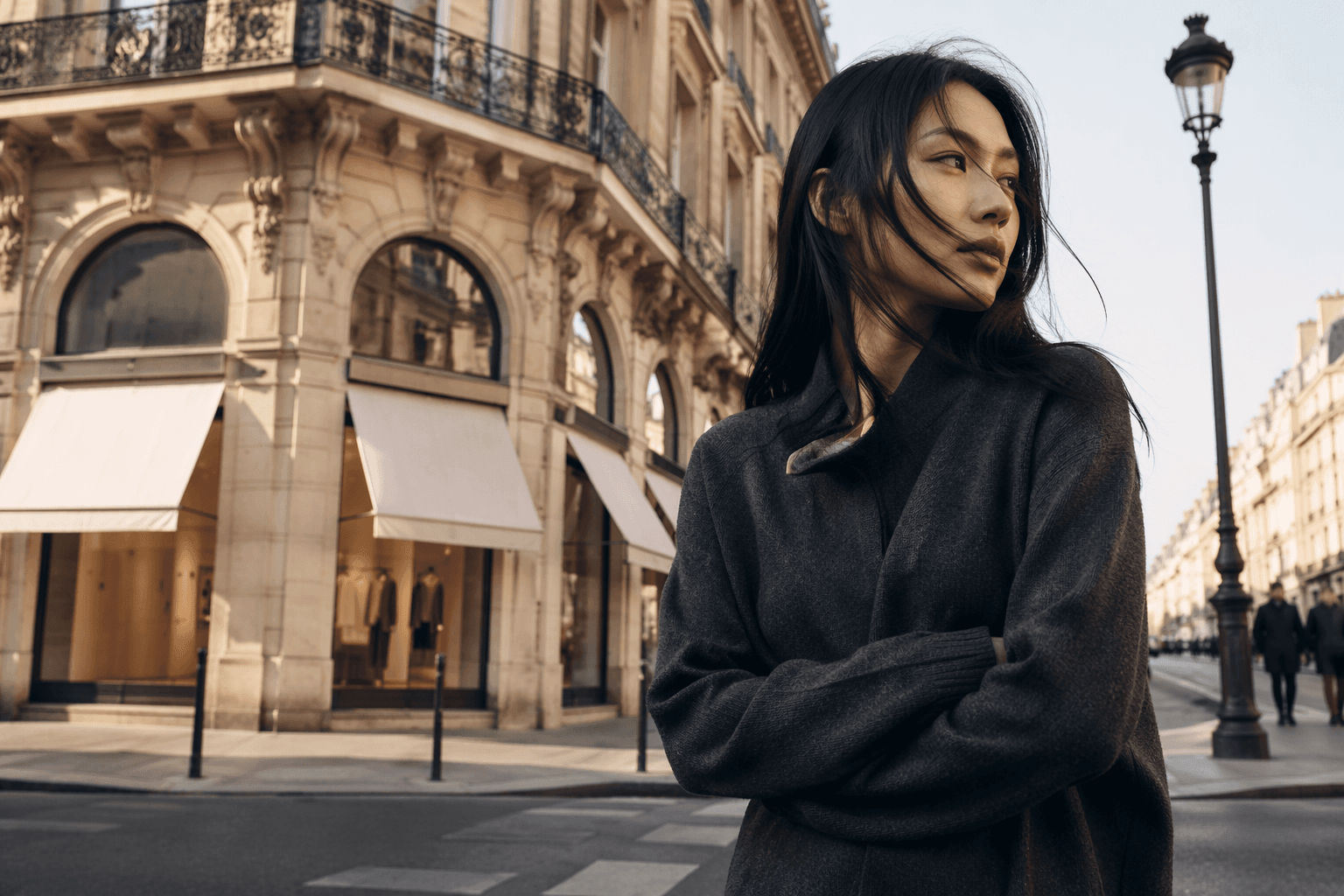
That is what makes Icicle’s retail concept interesting. It is not built like a logo machine. It behaves more like a cultural translation layer, one that has to speak to a Beijing customer who wants understatement and a Paris customer who wants Chinese modernity without the costume. In a market this selective, the store itself becomes part of the product.
Paris is the credibility test
The sharpest proof came on March 5, 2026, when Icicle showed its Autumn/Winter 2026 collection at the Musée des Arts Décoratifs during Paris Fashion Week. The show was staged as both a presentation and an exhibition under the title “An Exploration of the Five Colors: An ICICLE Spectrum,” a name that signals palette discipline rather than visual noise.
That venue matters. The Musée des Arts Décoratifs is not a generic runway box; it places fashion in a room where objects, archives and taste carry equal weight. For a Chinese label, that is the real test of prestige: not whether the clothes are expensive, but whether they can sit inside a serious Paris setting and still feel like themselves.
Icicle’s Paris push also shows how Chinese luxury is changing shape. The brand is not arriving in Europe as an outsider begging for validation. It is arriving as a label with its own codes, its own production logic and enough confidence to stage a full Autumn/Winter 2026 narrative in one of Paris’s most culturally loaded venues.
The money says the market is paying attention
Icicle’s corporate structure is part of the story too. The brand sits inside ICCF Group, the Franco-Chinese company formed in 2021 that unites Icicle with the Parisian house Carven. That pairing gives Icicle a French-facing platform without forcing it to abandon its Shanghai origin, which is exactly the kind of structure a globally ambitious Chinese brand needs if it wants to be taken seriously outside its home market.
The scale is starting to attract heavyweight attention. In 2026, Kering planned a minority stake in ICCF Group and put Icicle’s revenue at about €300 million. That is not boutique curiosity money. It is the kind of figure that pushes a label into strategic territory, where investors are not just buying growth but betting on who gets to define the next generation of luxury language.
What Icicle says about old-money fashion now
Icicle lands at the exact moment China’s luxury market is shifting away from status spending and toward stealth wealth, with homegrown labels gaining room to breathe. That shift explains why Icicle’s origin story matters so much. It is not trying to win by shouting louder than the megabrands. It is trying to win by making restraint feel modern, Chinese and exportable at the same time.
That is the larger prestige fight. If Icicle can keep its Shanghai backbone, its Paris footprint and its “Made in Earth” discipline intact while scaling, it will prove that old-money credibility does not have to borrow European heritage to feel real. It can be built from fabric, distribution, and the confidence to define taste on its own terms.
This article was produced by Prism’s automated news system from verified source data, official records, and press releases, then run through automated quality and moderation checks before publishing. The system is built and supervised by the people who set the standards it runs under. Read our full AI policy.
Did this article answer your question?