Jennie reworks Chanel’s heritage codes for a modern Seoul moment
Jennie’s latest Chanel appearance proves heritage still sells, but only when it is sharpened with youth, edge, and a little risk. In Seoul, old-money polish got a far less obedient rewrite.
Chanel’s heritage code still starts with craft
Jennie’s Chanel moment works because the house never lets the polish get sloppy. Métiers d’art has been the brand’s annual flex since 2002, a showcase built to celebrate savoir-faire rather than chase noise, and that matters when you are talking about old-money dressing. The Chanel 2026 Métiers d’art show in Seoul at Centre Pompidou Hanwha kept that formula intact while shifting the setting east, where the brand’s cultural reach feels broader, younger, and more globally aware.
Matthieu Blazy’s first Métiers d’art collection is framed around “eclectic personalities,” which is a neat way of saying Chanel is willing to let more character into the room without surrendering its house discipline. That tension is the whole story here. The old-money signal is still unmistakable, because the brand is still leaning on heritage, finish, and recognition. But the presentation also says Chanel knows that in 2026, heritage has to move if it wants to stay magnetic.
Why Jennie is the perfect Chanel translator
Jennie Kim is not a random face dropped onto a luxury campaign. She has been linked to Chanel since 2017, first as a Chanel Beauty and Korean ambassador, before becoming the house’s official global ambassador in 2019. That timeline matters because it gives her Chanel appearances a different kind of authority. She is not simply wearing the brand for a night; she is part of the brand’s recent history.
That history also runs through Karl Lagerfeld, who died in Paris on February 19, 2019. Jennie is widely described as one of his last celebrity picks, which gives her a very specific Chanel weight. The house was already using her to bridge eras before Lagerfeld’s death, and that bridge still holds. In fashion terms, she is one of the few modern stars who can make Chanel feel inherited rather than borrowed.
That is why her latest appearance reads less like a celebrity outfit and more like a stress test. Can Chanel’s old-money codes survive a younger face, a sharper silhouette, and a more overt sense of performance? Jennie is the answer the brand keeps returning to.
What still reads as old-money Chanel
The strongest Chanel signatures are the ones that keep the look anchored in class-coded polish. First is the craft itself. Métiers d’art exists to foreground handwork, texture, and the kind of finish that does not scream for attention because it does not need to. That is the old-money part of the equation: restraint, precision, and visible labor translated into something that looks effortless.
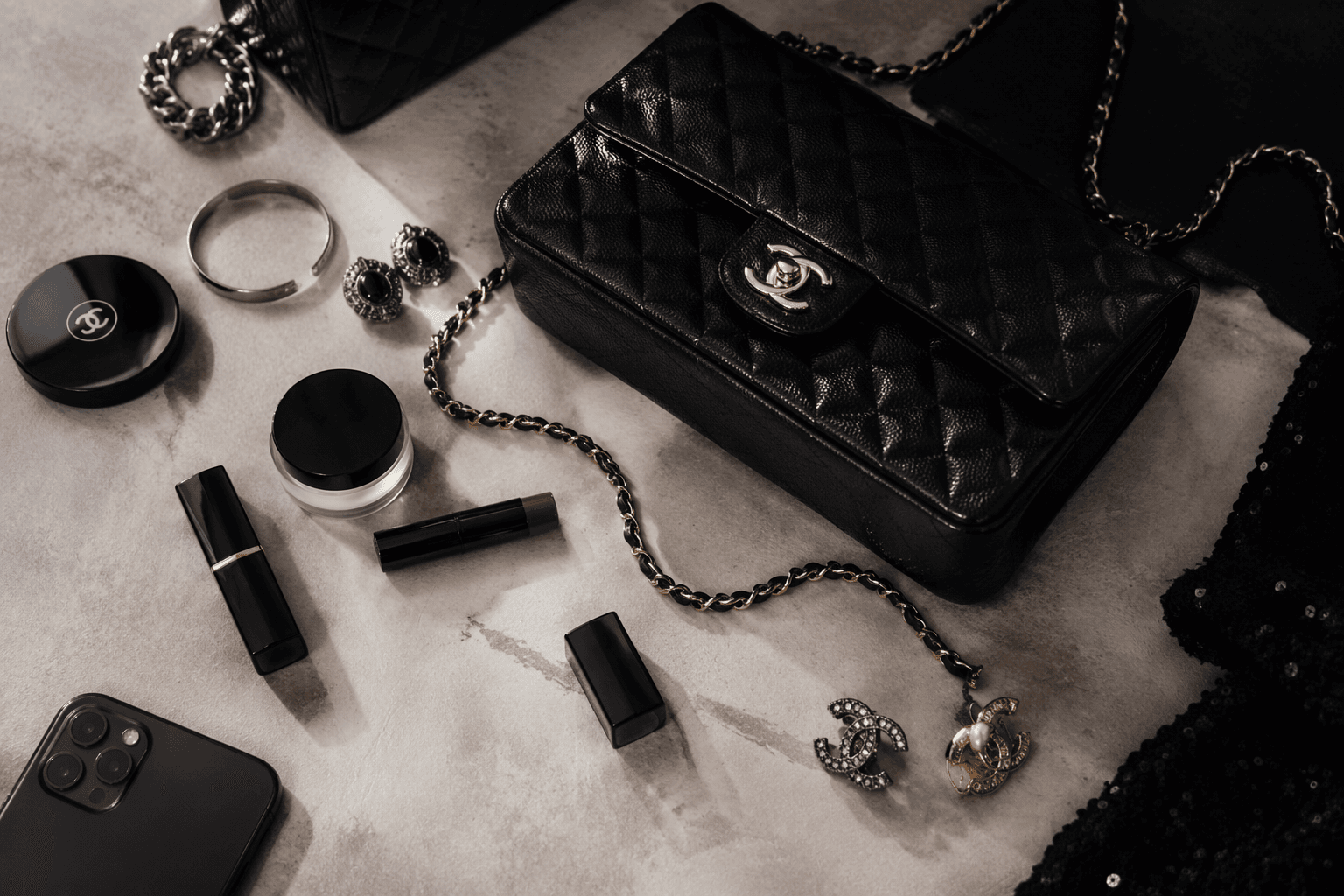
Then there is the continuity. Chanel has used Jennie consistently across major campaigns, including the Chanel 25 handbag campaign, which helped position her inside the house’s push for a more modern image. The handbag matters here because accessories are where luxury often proves its seriousness. A recognizable Chanel bag still communicates lineage faster than any styling trick can. It is a status object, but one with rules.
W Magazine’s read on Jennie as a modern rewrite of Chanel’s classic codes lands because the brand is not abandoning its signatures. It is rebalancing them. The house still wants elegance to do the talking, and that means the core signals remain polished rather than chaotic: heritage, craft, and the unmistakable Chanel aura that lets the logo stay implied even when it is not front and center.
What makes the look feel newer, riskier, and more Seoul
The younger energy comes from how Chanel is allowing its heritage to bend. Blazy’s “eclectic personalities” framing gives the collection a looser cultural grammar than the frozen-image luxury of the old guard. Instead of treating tradition like a museum label, Chanel is turning it into a living cast of characters, which is exactly how you update a house without flattening its pedigree.
Jennie is central to that update because she brings fandom, fashion literacy, and pop-star visibility into the same frame. Chanel has used her not just as a brand ambassador, but as a face for a more youth-facing image. The Chanel 25 handbag campaign, with Dua Lipa and Jennie at the helm, leaned into that shift by making luxury feel kinetic, almost cinematic. Jennie herself called the campaign a “short music video capturing the streets of New York,” and that is the key difference between old and new Chanel energy. The old code is still there, but it is being staged for motion.
Seoul sharpens the effect. Putting this show at Centre Pompidou Hanwha in Seoul does more than export French prestige. It gives Chanel a local cultural charge and places Jennie, a Korean superstar with global reach, directly inside the brand’s future-facing strategy. The result is not anti-heritage. It is heritage with more voltage.
How to read the new Chanel balance
If you want to understand where old-money Chanel ends and performance fashion begins, Jennie is the clearest test case in the room. The house still protects the things that signal class: craft, continuity, recognizable house language, and the kind of polish that never looks accidental. But it is now willing to push those codes through a younger, more public-facing lens, where glamour carries a little more friction and a little more risk.
That is what makes the look powerful. It does not reject heritage. It stretches it until it feels alive again. Chanel’s smartest move in Seoul was not changing the code, but letting Jennie prove how far it can go before it stops reading as old-money and starts reading as something far more current.
This article was produced by Prism’s automated news system from verified source data, official records, and press releases, then run through automated quality and moderation checks before publishing. The system is built and supervised by the people who set the standards it runs under. Read our full AI policy.
Did this article answer your question?