Kate Middleton wears butter-yellow Patrick McDowell for Garter Day
Kate Middleton turned Garter Day into a signal, stepping out in a butter-yellow Patrick McDowell coat dress made with bespoke English rose silk damask and Stephen Walters.
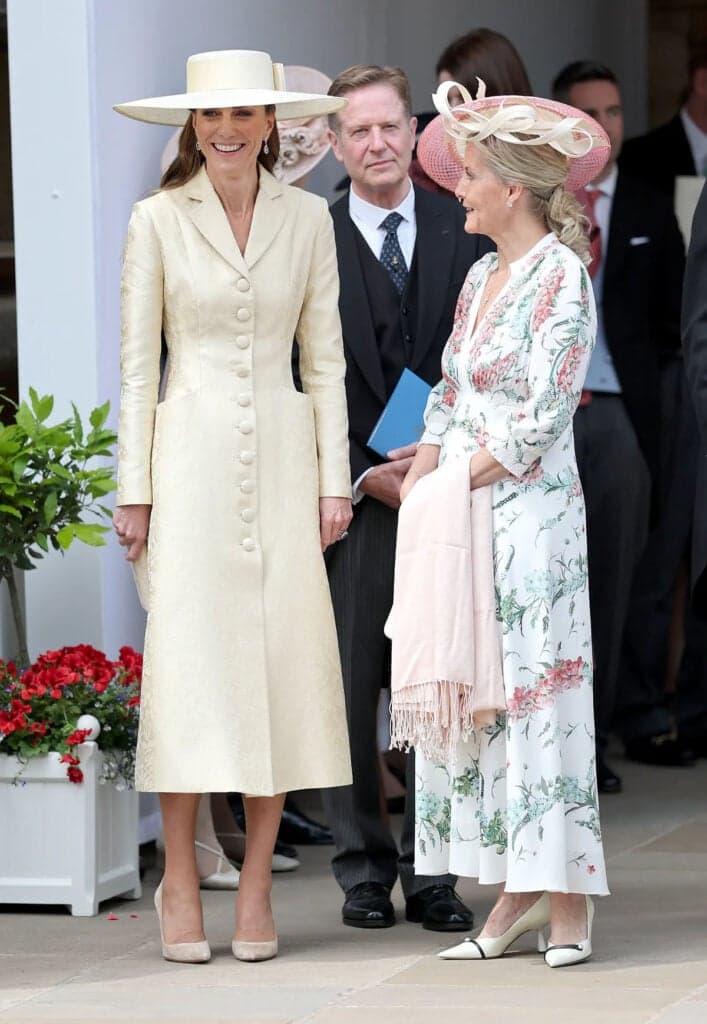
Catherine, Princess of Wales, turned Garter Day into a lesson in old-money renewal, stepping into St George’s Chapel in a butter-yellow Patrick McDowell coat dress that felt ceremonial without feeling frozen in time. The custom look, with its button-down front, oversized pockets and polished tonal finish, read less like a costume and more like a quiet power move.
King Charles III led the Order of the Garter ceremony at Windsor Castle, where three new Knights Companions were formally invested in the Garter Throne Room before the procession. The Princess of Wales watched from the Galilee Porch with the Duchess of Edinburgh and Vice Admiral Sir Tim Laurence, while Prince William and the other Royal Knights moved through the procession in velvet robes and plumed hats. The Order, founded in 1348, is Britain’s oldest and most senior Order of Chivalry, and it still knows how to make one dress carry institutional weight.

McDowell’s coat dress was reportedly made in London from bespoke English rose silk damask, produced in collaboration with Stephen Walters of Sudbury. That craft detail matters. It is the difference between generic luxury and the kind of disciplined, British-made refinement that the establishment can actually absorb. McDowell, who received the Queen Elizabeth II Award for British Design from the Princess of Wales in May 2025, sits neatly inside the monarchy’s current taste profile: sustainability-minded, technically sharp, and modern enough to refresh the old codes without wrecking them.
Kate finished the look with a coordinating Jane Taylor boater hat, neutral suede accessories and Robinson Pelham wedding earrings, the pair Carole and Michael Middleton gave her. The pale-yellow palette and those familiar earrings brought back a trace of her 2011 wedding-era language, but the effect was not nostalgic for nostalgia’s sake. It was strategic. This is how old-money style survives now: not by staying stuck in cream, navy and pearls, but by letting British craftsmanship, restrained glamour and a slightly softer color story keep the whole thing alive.
This article was produced by Prism’s automated news system from verified source data, official records, and press releases, then run through automated quality and moderation checks before publishing. The system is built and supervised by the people who set the standards it runs under. Read our full AI policy.
Did this article answer your question?