Kering faces investor pressure as Gucci revival tests turnaround plan
Gucci’s Times Square spectacle was meant to signal revival, but Kering’s real test is whether one house can restore the authority of an entire luxury empire.

Demna turned Times Square into a runway for Gucci, a bold, highly visible gesture from a house that has spent the past year trying to look less adrift and more inevitable. The show made noise in the right place, but the harder story sits above it: whether Kering can still convert heritage into desirability across a portfolio that suddenly looks more exposed than expansive.
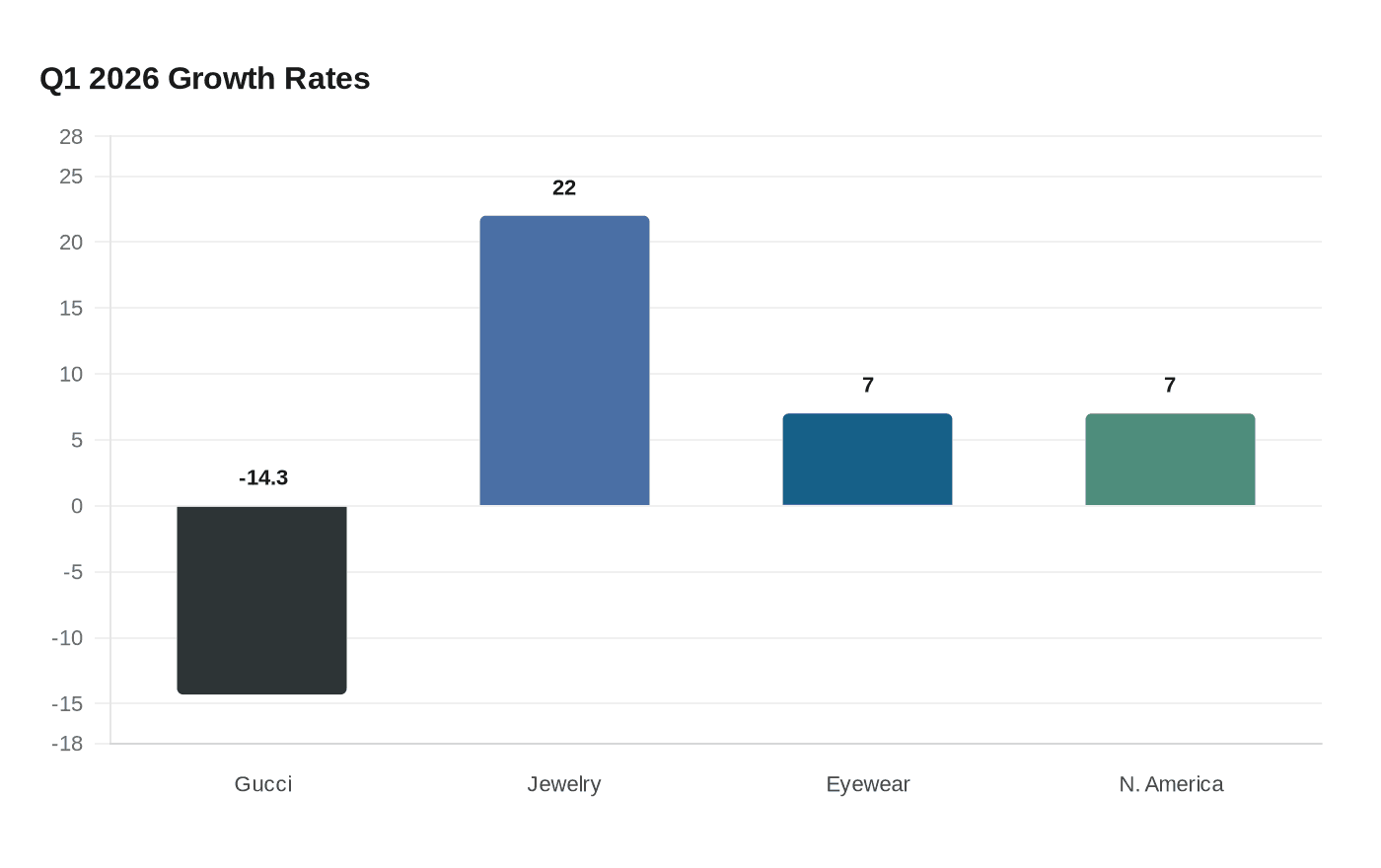
The numbers explain why investors are pressing harder. Kering posted first-quarter 2026 revenue of €3.568 billion, down 6% as reported and flat on a comparable basis. Gucci, still the group’s largest engine, fell to €1.347 billion, down 14.3% as reported and 8% comparable. Jewelry rose 22% on a comparable basis and eyewear gained 7%, yet those lifts were not enough to offset the drag from the flagship. For a group built on the logic of scale, the quarter read like a warning: legacy alone does not guarantee relevance, and a portfolio can no longer hide behind one revered name.
That is why Luca de Meo’s turnaround pitch matters beyond spreadsheets. Since taking over as chief executive on September 15, 2025, he has framed the recovery around “ReconKering,” the strategy unveiled in Florence on April 16, 2026. The plan calls for more than doubling the group’s recurring operating margin from 11.1% in 2025 in the midterm and pushing return on capital employed above 20%. Investors greeted that ambition with skepticism, which is hardly surprising in a market that now punishes luxury groups for looking overmanaged, overdistributed, and too dependent on branding theater.
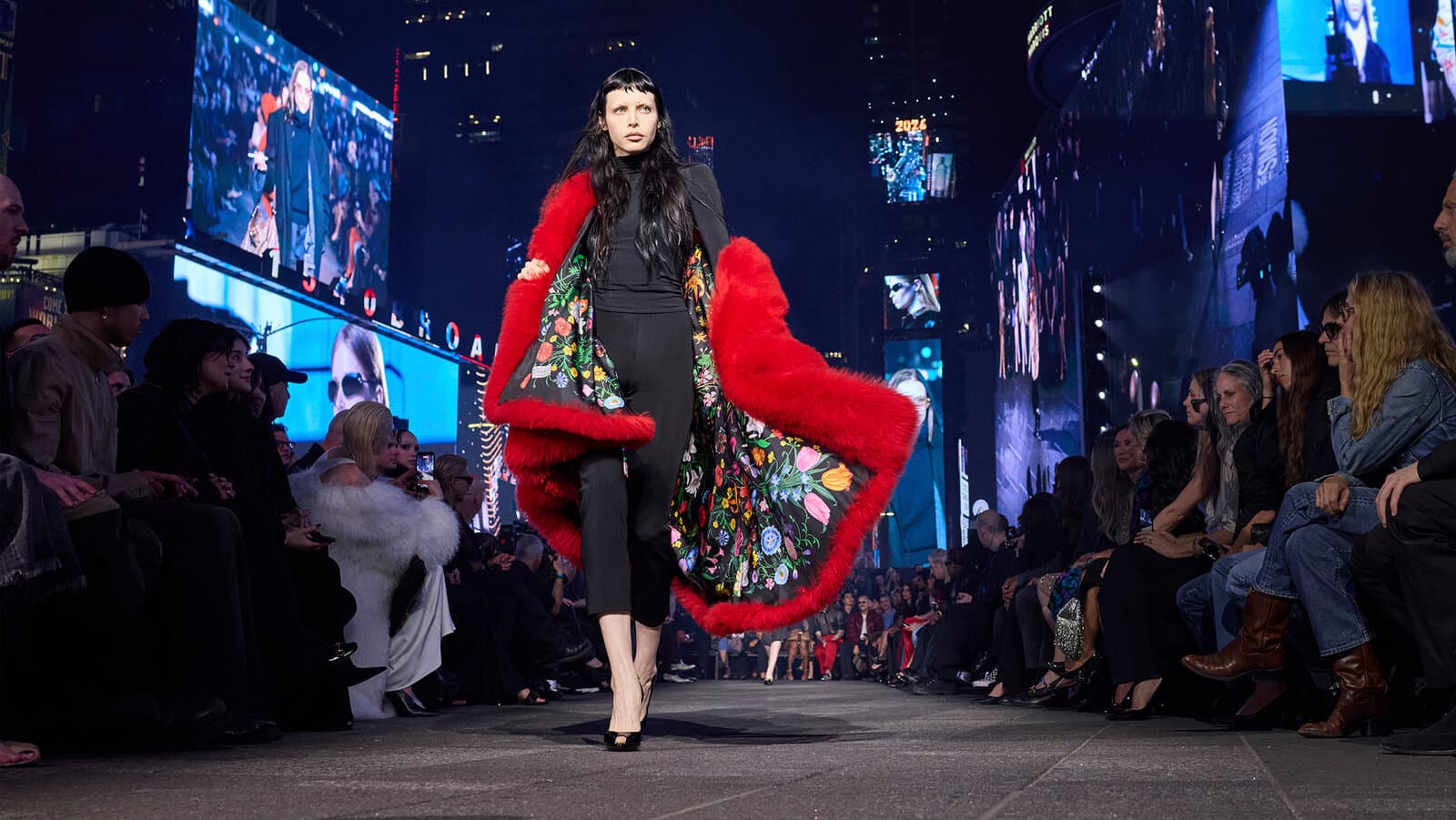
Kering’s problem is not simply Gucci’s slump, but the broader question of which houses still carry real cultural authority. Saint Laurent and Bottega Veneta remain names with code and discipline; Balenciaga still commands attention, though not always the kind that translates cleanly into steady, old-money credibility. Gucci, by contrast, has been forced into a louder register, and the Times Square spectacle underlined how urgently it needs the U.S. to respond. North America improved 7% in the quarter, but weakness persisted in Western Europe and China, where the brand’s old reach has not yet become new desire.
The company has also been reshaping its balance sheet and portfolio through major transactions in beauty, jewelry and real estate, signaling a tighter focus on fewer priorities. That makes the annual meeting in Paris on May 28, 2026, especially pointed. The question before shareholders is not whether Kering can stage a moment. It is whether a luxury conglomerate built on heirs, houses and history can still produce discretion, authority and repeat wear in a market that now rewards clarity over mythology.
This article was produced by Prism’s automated news system from verified source data, official records, and press releases, then run through automated quality and moderation checks before publishing. The system is built and supervised by the people who set the standards it runs under. Read our full AI policy.
Did this article answer your question?