Kiki McDonough earns Queen Camilla's Royal Warrant for colorful jewels
Queen Camilla’s Royal Warrant turned Kiki McDonough’s bright gemstones into an old-money credential, not a trend. The jeweler’s color-first formula now reads as status with receipts.
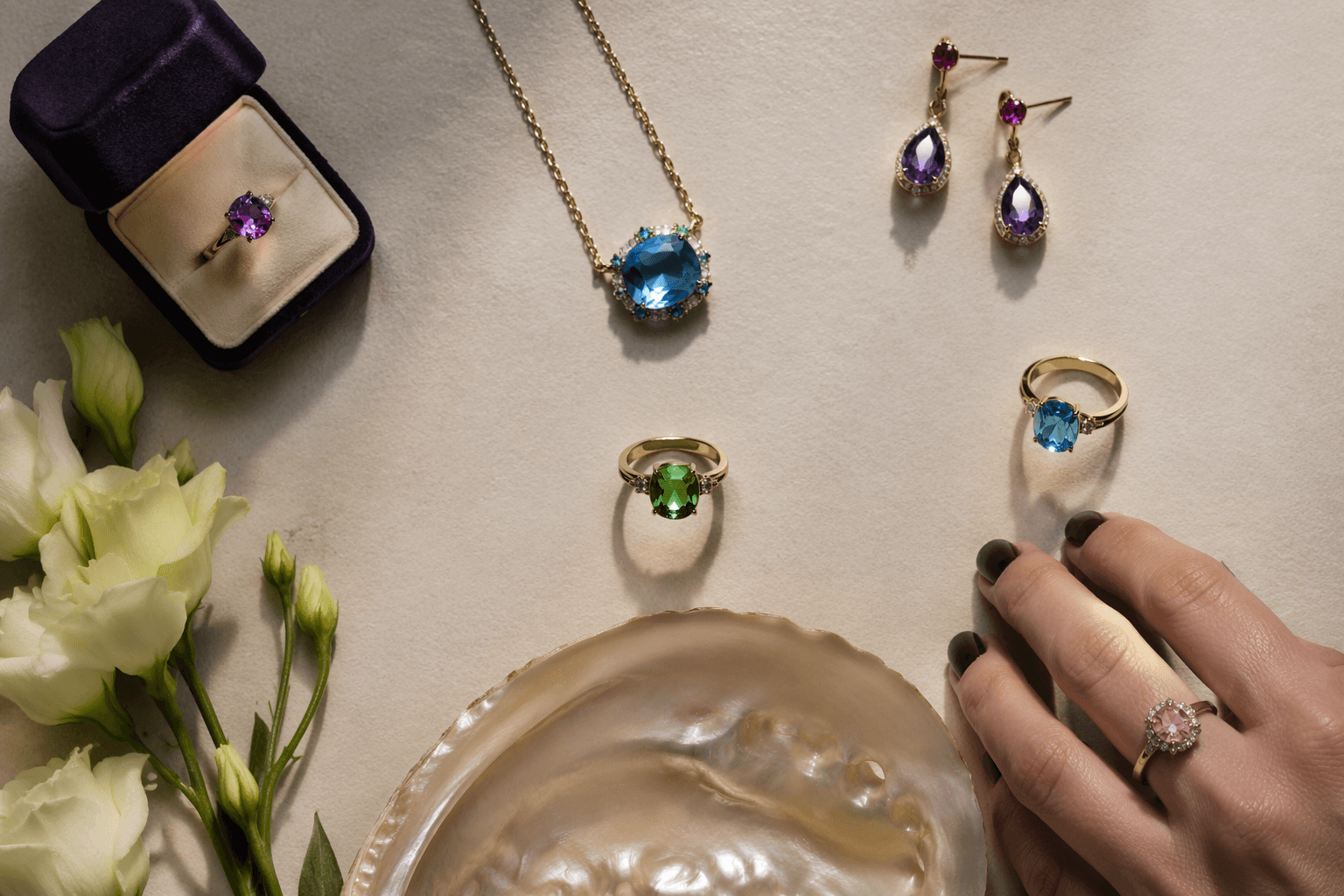
A Royal Warrant is more than a flourish on a letterhead. For Kiki McDonough, the April 2026 warrant from Queen Camilla worked like the strongest possible endorsement of a very London idea: that color can be polished, discreet and socially fluent when it is cut into a jewel with pedigree.
That is the key to McDonough’s appeal. Founded in London in 1985 by fifth-generation jeweller Kiki McDonough, the house built its reputation on gemstones that moved beyond the traditional big three of rubies, emeralds and sapphires. The result was never loud in the vulgar sense. It was vivid, but controlled, the kind of jewelry that looks at home with a cashmere coat at Walton Street lunch or under palace lighting at Buckingham Palace, where status is often communicated through restraint rather than sparkle.
The Royal Warrant Holders Association says warrants are normally granted to businesses that have regularly supplied the Royal Household for at least five years out of the previous seven. Holders may use the Royal Arms and the “By Appointment to...” legend, a permission that matters because it converts taste into institutional legitimacy. In April 2026, Kiki McDonough Ltd was listed among companies by appointment to Her Majesty The Queen, joining names such as Anya Hindmarch and ME+EM in the same round of warrants.
McDonough’s own language has always stressed wearability as much as color. The brand describes her work as “striking colour combinations and timeless, wearable designs,” and that balance is what has kept the jewels aligned with royal dressing, where a piece must do more than dazzle. It must repeat well, travel well and sit comfortably in a wardrobe built around continuity. That is why her pieces feel collectible without feeling brittle. They are the opposite of fashion jewelry that dates itself in a season.
The house’s credibility also runs through design history. Its timeline says a 1992 heart-shaped crystal motif with a gold bow and a single diamond was acquired by the Victoria & Albert Museum in London, a signal that McDonough’s work has already crossed from adornment into museum-grade modern jewelry. The brand has also pushed its own responsible sourcing agenda, saying it became a member of the Responsible Jewellery Council and began embedding sustainable and responsible business practices in early 2022.
In a market that keeps swinging between understatement and decoration, McDonough occupies a particularly durable middle ground. Her jewels are colorful enough to register, but polished enough to survive the scrutiny of royal taste, London society and the resale-minded collector who wants something that feels both worn and worth keeping.
This article was produced by Prism’s automated news system from verified source data, official records, and press releases, then run through automated quality and moderation checks before publishing. The system is built and supervised by the people who set the standards it runs under. Read our full AI policy.
Did this article answer your question?