Lace midi skirts bring old-money polish into autumn 2026
Lace has gone from fragile to polished, and the midi skirt is the smartest way to wear it. Autumn 2026 wants opacity, restraint and old-money ease.
Why lace is the polished skirt to watch
Lace is having a serious fashion moment, but the mood has shifted away from sweetness. Harper’s Bazaar UK is treating the lace midi skirt as a buy that works far beyond summer, and that is exactly why it feels right for autumn 2026: it has shape, coverage and enough detail to read expensive without trying too hard.
The bigger trend picture backs that up. Who What Wear called lace a “renaissance” on January 14, 2026, noting that it was turning up on skirts, trousers and accessories. By April 2, the site was still championing lace-trimmed skirts, saying they remained one of spring 2026’s top skirt trends and had already been an It style throughout 2025. In other words, this is not a one-week runway flirtation. It has already proved it can live in a real wardrobe.
The cut that looks richest
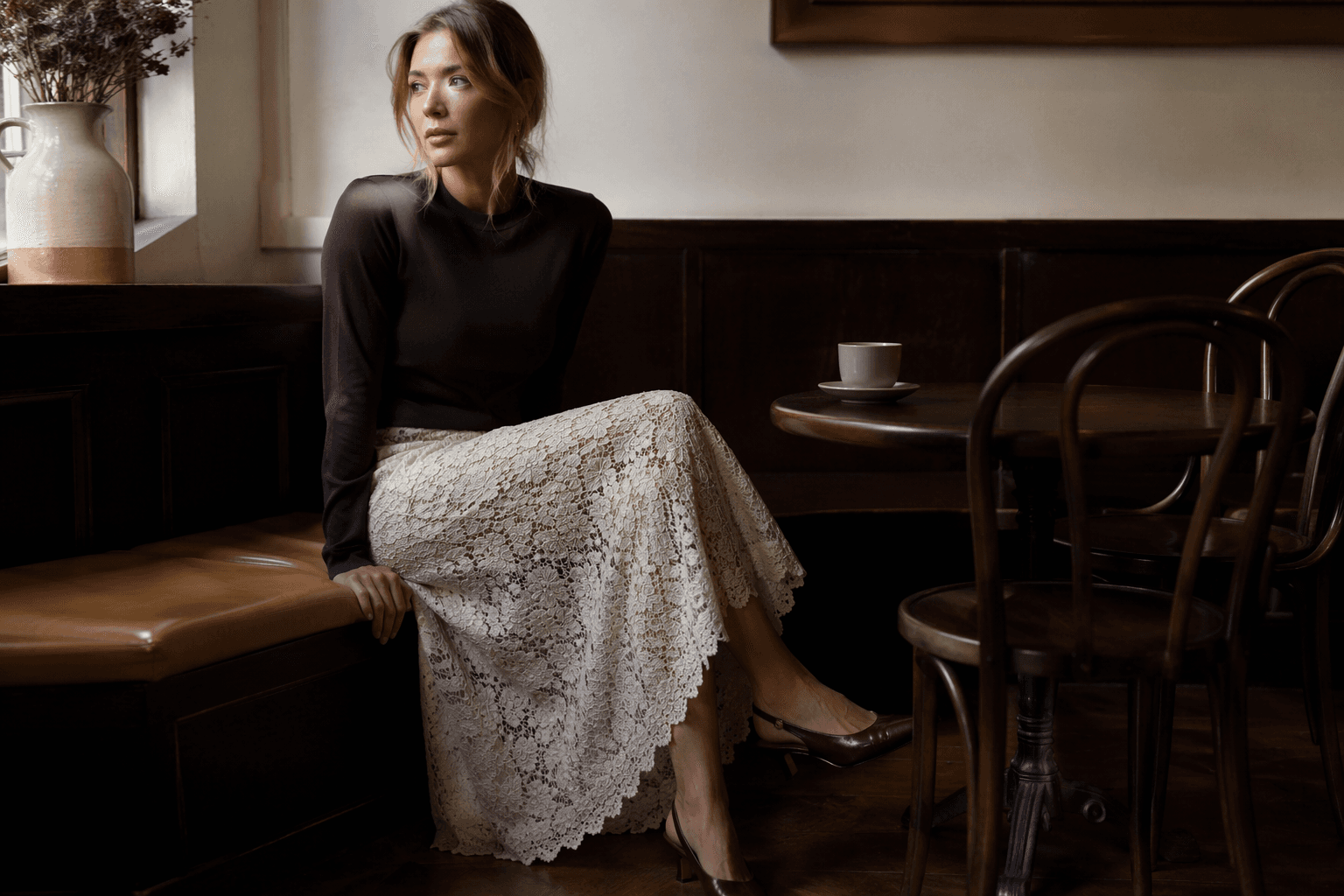
The most convincing version is not the flimsy, wispy lace skirt people reach for in warm weather. For an old-money register, the shape should be a midi that hangs cleanly from the waist and falls with a controlled line, ideally straight or softly A-line rather than sugary or tiered. That gives the skirt the discipline of tailoring, which is what keeps lace from looking too decorative.
Opacity matters just as much as silhouette. A refined lining, cut to preserve the lace pattern without exposing too much skin, is what makes the piece feel country-house polished instead of overtly romantic. Think ivory over ivory, black over black, or a tonal underlayer that lets the lace texture do the talking. The goal is a skirt that suggests craftsmanship and structure, not fragility.
The colors that feel country-house refined
For autumn, the best palette is quiet and grounded. Ivory, parchment, dove grey, inky navy and black all make lace look more architectural, while deeper shades like chocolate and bottle green can push it toward the autumnal and the inherited. These colors also echo the older, more ceremonial side of lace, which is why they feel far more convincing than bright white or sugary pastels once the weather turns.
That sense of polish has deep roots. Fashion History Timeline notes that lace was a popular decoration in womenswear in the early 1900s, often paired with sumptuous fabrics such as silk satin, damask and chiffon. It also points to Queen Victoria’s 1840 wedding dress in Spitalfields silk and Honiton lace, a look that helped establish a lasting Western bridal tradition. Lace has always carried a charge of status and ceremony; the trick for 2026 is to remove the bridal excess and keep the authority.
Why the old-money mood keeps returning to lace
The historical appeal is not just about royalty. Fashion History Timeline also traces Romantic historicism in the 1820s, when styles borrowed from past centuries shaped dress, and that legacy still informs how lace reads now. It carries memory, refinement and a certain social shorthand, which is why it naturally suits old-money dressing when it is handled with restraint.
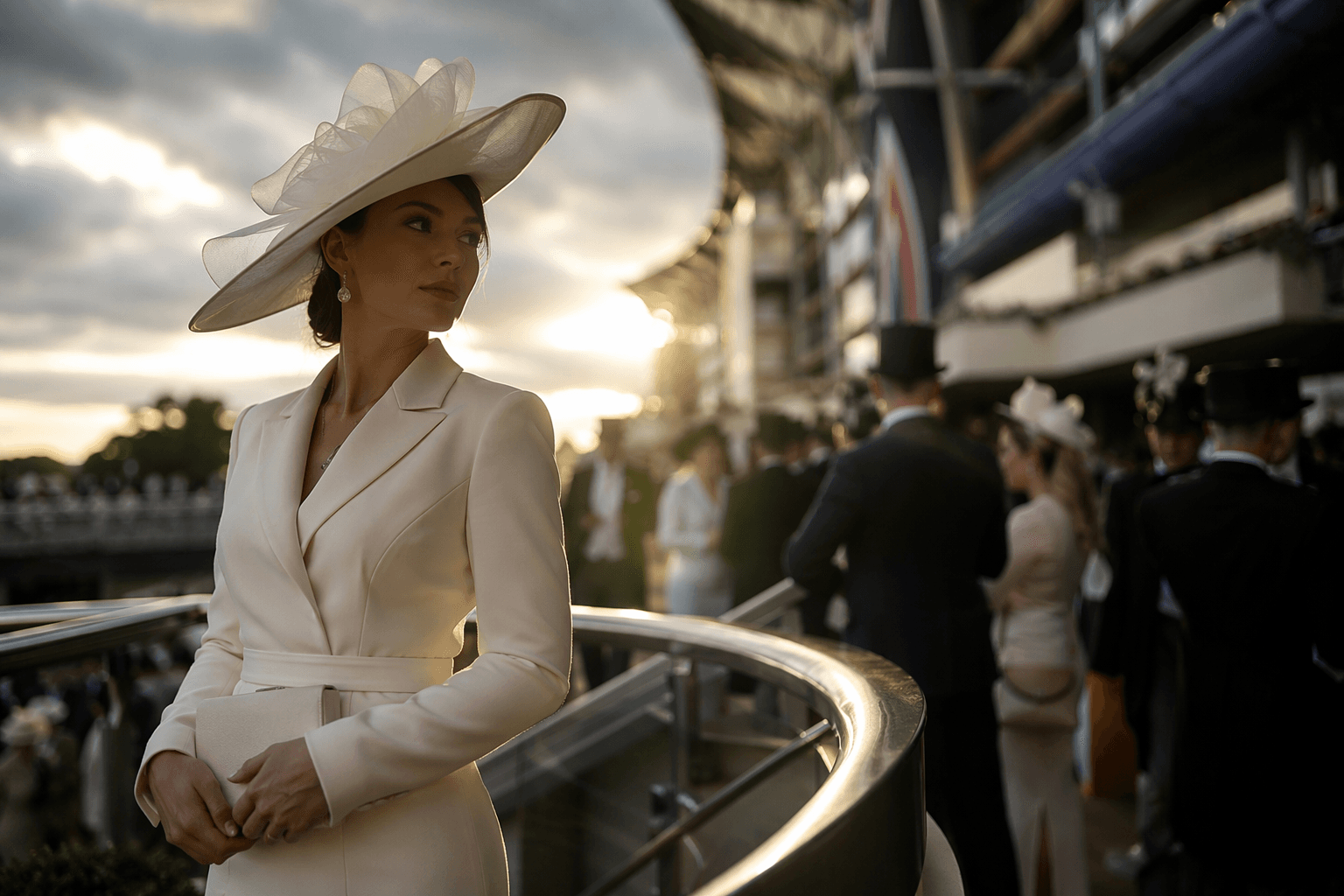
That is exactly the mood fashion is leaning into for fall. WWD’s June 2, 2026 fall ready-to-wear trend roundup identified lace as a major Fall 2026 runway story, with collections from Chanel, Chloé, Cecilie Bahnsen, Blumarine, Dior, Elie Saab, Erdem, Fendi, Givenchy and Harris Reed all part of the conversation. The breadth of those houses matters. Lace is not being treated as a niche embellishment; it is being used across luxury fashion as a signal of softness with structure.
How to wear it with cashmere, blazers and low heels
This is where the lace midi becomes useful rather than precious. Pair it with a fine-gauge cashmere crewneck or slim turtleneck, tucked softly at the waist so the skirt keeps its line. Cashmere takes the edge off the lace and makes the whole look feel lived-in, the way old-money dressing should: comfortable, but never casual in a sloppy way.
A blazer gives the outfit its spine. Choose something single-breasted, slightly boxy or gently tailored, with enough room to sit cleanly over the knit without bunching. A navy blazer over an ivory lace midi is especially strong because it plays into heritage codes without looking theatrical; a grey or camel blazer works just as well if you want the skirt to stay the focal point.
Footwear should stay low and elegant. A kitten heel, a modest slingback or a pointed low heel keeps the hemline grounded and prevents the lace from drifting into costume territory. Flat shoes can work too, but only if they are sharp and polished, like a sleek loafer or a minimal leather pump. The point is to keep the finish crisp, never fussy.
- Wear the skirt with opaque tights in colder weather if the lace is especially open.
- Choose a lining that covers enough to make the skirt feel urbane, not beachy.
- Keep jewelry restrained so the texture, not the accessories, does the work.
What to skip
Skip lace that is too sheer, too ruffled or cut into a hemline that feels ditzy rather than deliberate. Skip neon, sugary pastels and anything that looks better at a garden party than in November. The strongest lace midi has the same quality as a good cashmere coat or a well-cut blazer: you notice the craftsmanship first, then the mood, then the silhouette.
That is why lace midi skirts are becoming one of the smartest old-money pieces of autumn 2026. They borrow the romance of the past, but in the right cut, lining and color, they read as polished, assured and quietly authoritative, which is exactly where style is headed.
This article was produced by Prism’s automated news system from verified source data, official records, and press releases, then run through automated quality and moderation checks before publishing. The system is built and supervised by the people who set the standards it runs under. Read our full AI policy.
Know something we missed? Have a correction or additional information?
Submit a Tip