Lanvin’s old-money polish gets an Art Deco reset under Peter Copping
Lanvin is trading quiet luxury for sharper lines and harder contrast. Peter Copping’s Art Deco reset makes old-money polish feel architectural, not soft.
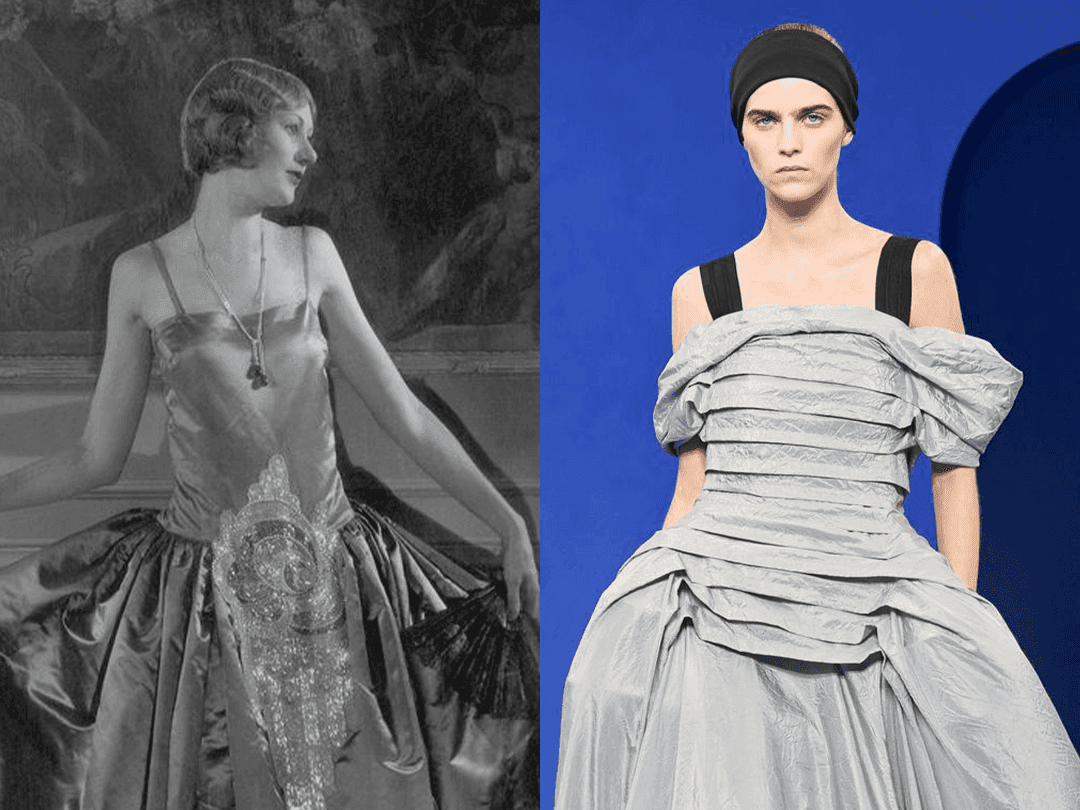
Lanvin’s polish looks less hushed now and more exacting. Under Peter Copping, the house is moving old-money dressing toward something cleaner, harder and more graphic, where black-and-white discipline replaces the blur of soft luxury. The result feels archival without slipping into costume, which is exactly why it matters now.
Art Deco, sharpened for today
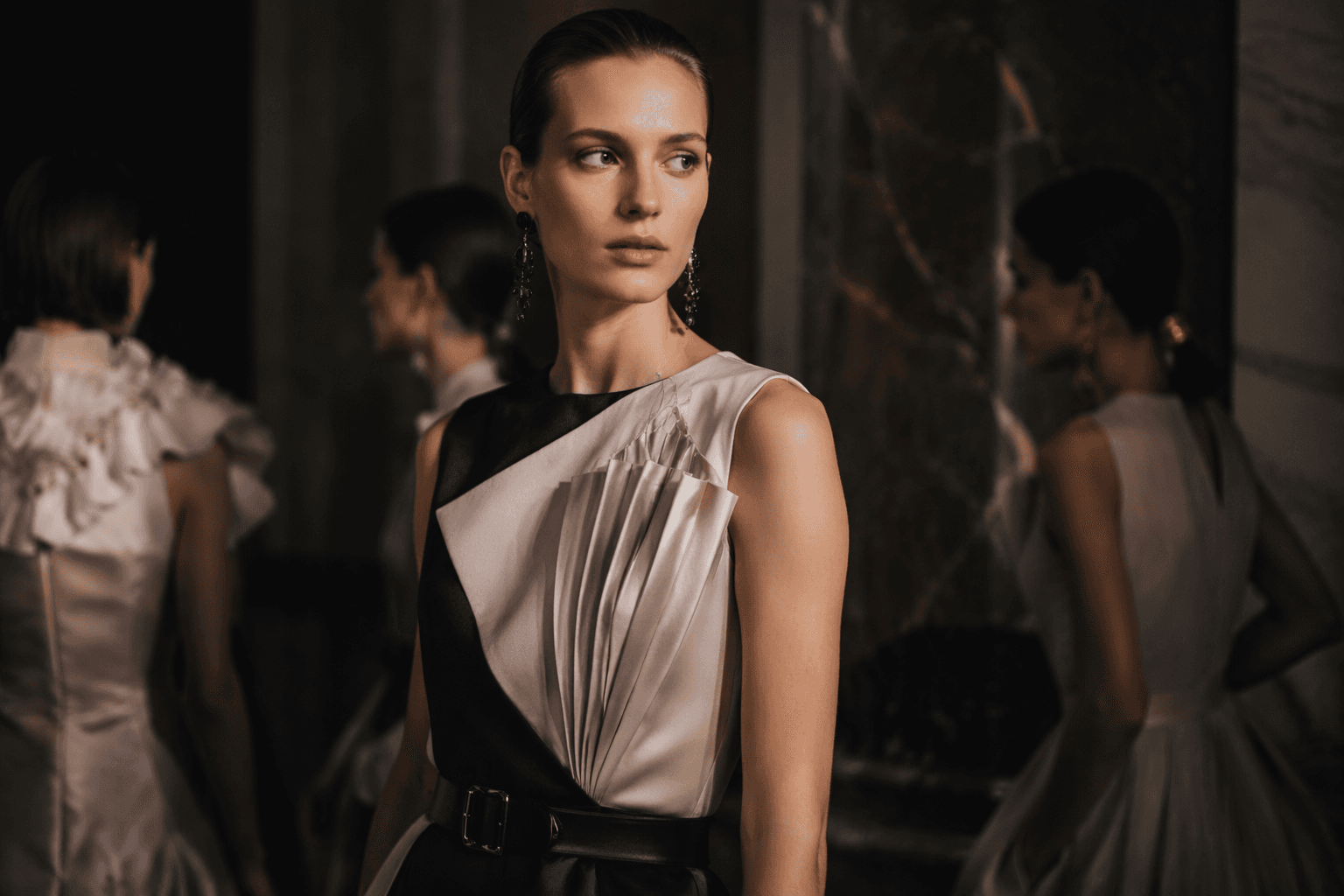
Copping has leaned into Andrée Putman’s taste for restraint and turned it into a wardrobe language of sharp lines, precise tailoring and controlled contrast. Instead of trying to seduce with ornament, the collection works through structure: crisp peacoats, waist-cinched jackets, pleated knit skirts and tuxedo dressing that reads polished rather than precious.
That is the important shift. Old-money fashion has spent the last few seasons in a softer register, all cashmere ease and unforced wealth signals. Lanvin is showing how the same status code can harden into something more architectural, with black and white doing the heavy lifting and the silhouette carrying the message. If quiet luxury was about disappearing into understatement, this is about looking composed enough to command a room.
Why the setting amplifies the mood
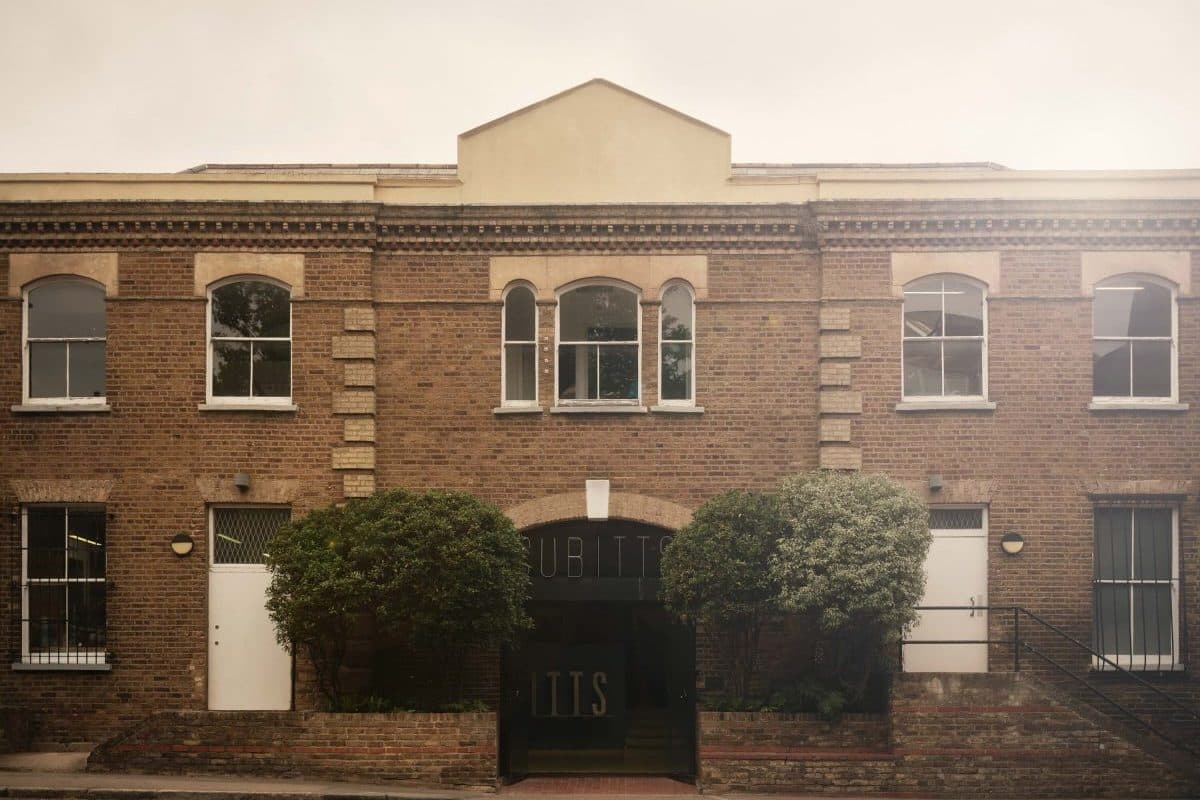
The collection lands more forcefully because the house itself now looks like part of the narrative. Lanvin has moved into the Hôtel Botterel de Quintin in Paris’s 10th arrondissement, an 18th-century mansion with an oval reception room, marble floors, frescoes and a garden tucked behind it. That kind of backdrop does more than flatter a show; it gives the clothes a frame of inherited authority.
The house’s new address sharpens the Art Deco reading. Marble, frescoes and an oval room naturally suggest symmetry, polish and formality, which are the same instincts Copping is pressing into the clothes. In old-money terms, the setting says as much as the tailoring: elegance here is not casual, it is composed, and composition is the point.
What this says about Lanvin’s reset
The timing matters too. Copping was appointed artistic director on June 27, 2024, with responsibility for womenswear and menswear starting in September 2024. That makes this collection feel less like a one-off mood board and more like a deliberate recalibration of Lanvin’s visual code.
Barbara Werschine’s appointment as chief executive on May 29, 2026 adds another layer to that reset. With creative and business leadership both shifting, the house is clearly tightening its point of view. For readers tracking where heritage luxury is headed, Lanvin is offering a useful clue: the next phase is not louder branding or decorative excess, but a cleaner, more disciplined form of authority.
The history behind the polish
Lanvin’s fascination with formal dressing is not a new affectation. The house dates to 1889, when Jeanne Lanvin opened a hat shop in Paris before later becoming a member of the Chambre Syndicale de la Couture. That lineage explains why couture discipline, exacting finish and old-money poise still sit at the center of the brand’s identity.
Copping has already been working within those codes. The house’s Summer 2026 show centered on Lanvin Blue and framed the collection as a meeting point between history and modernity. This resort collection continues that logic, but strips away some of the color and softens nothing in return. The message is more severe now, and that severity is what makes it feel contemporary.
What to wear from this shift
If you want the Lanvin reading of old-money style, think in terms of line, contrast and restraint. The clothes worth paying attention to are the ones that suggest polish without fuss.
- Wear black and white together with intention, not as a graphic trick.
- Choose outerwear with shape, especially crisp peacoats and jackets that define the waist.
- Let skirts fall with a little weight and structure, as in pleated knits that keep their form.
- Use tuxedo references sparingly, because one sharp detail is stronger than a full costume.
- Favor fabrics that look pressed, smooth and exact, not slouchy or overworked.
What to skip is just as clear: anything too floaty, too embellished or too nostalgic in an obvious way. The old-money signal here is not softness for its own sake. It is control, and control looks best when the clothes have enough architecture to stand on their own.
Why this trend is worth watching
This is the next evolution beyond soft quiet luxury. Lanvin is making the case that status dressing is moving from whispering wealth to drawing a more precise outline, one that borrows from Art Deco clarity and the severity of tailored evening wear. That gives the look more edge, more presence and, crucially, more staying power.
For shoppers and style watchers, the takeaway is simple: the new old money is less about being invisible and more about being unmistakably composed. Lanvin has put that idea into black-and-white, and the result feels like a blueprint for where elegant dressing is headed next.
This article was produced by Prism’s automated news system from verified source data, official records, and press releases, then run through automated quality and moderation checks before publishing. The system is built and supervised by the people who set the standards it runs under. Read our full AI policy.
Did this article answer your question?