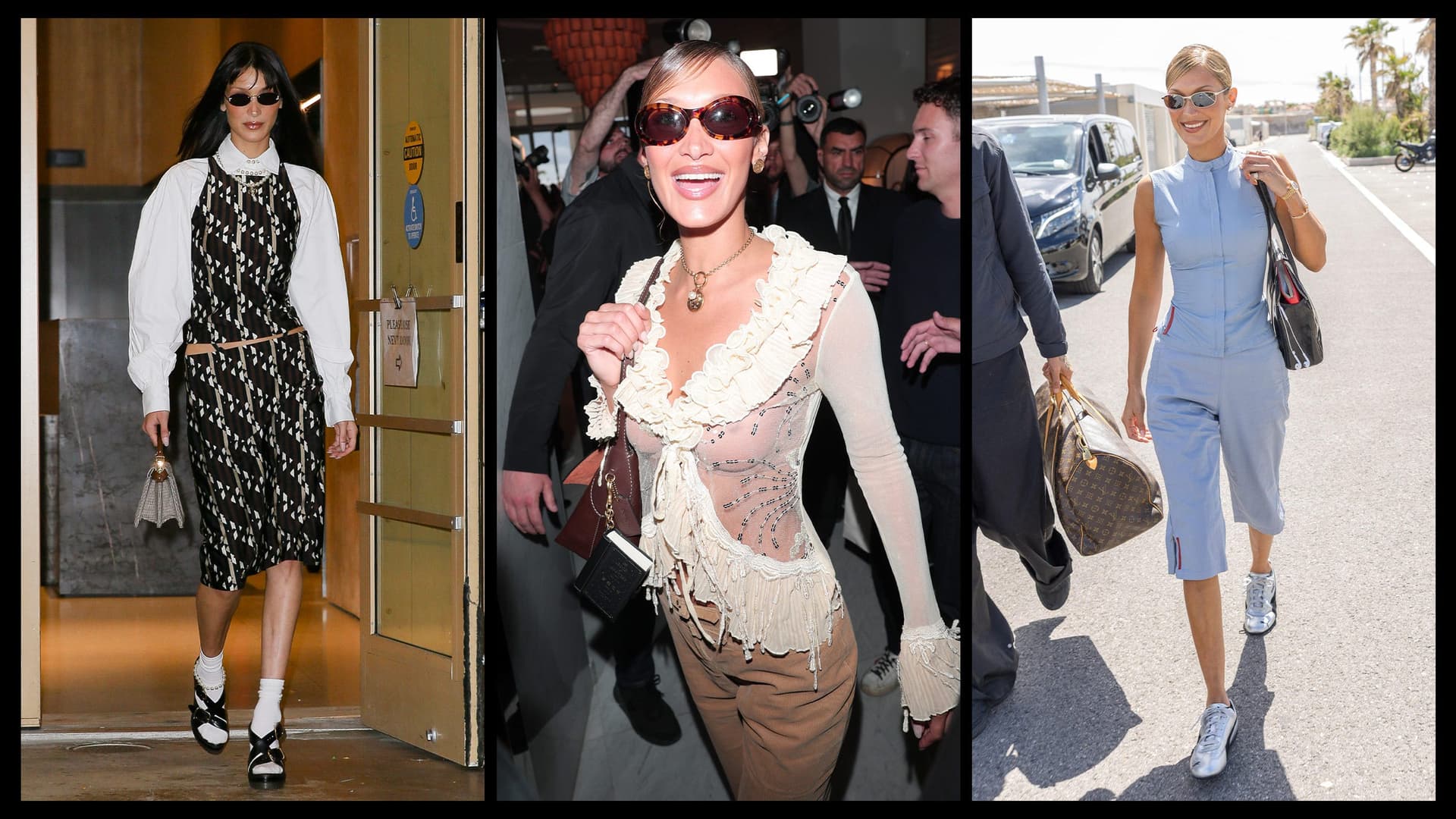
Lazy luxury becomes summer 2026's new status symbol
Lazy luxury is the new old-money code: softer tailoring, hidden logos, and sneaker energy. The pieces that last will look lived-in, not performative.
Lazy luxury, decoded
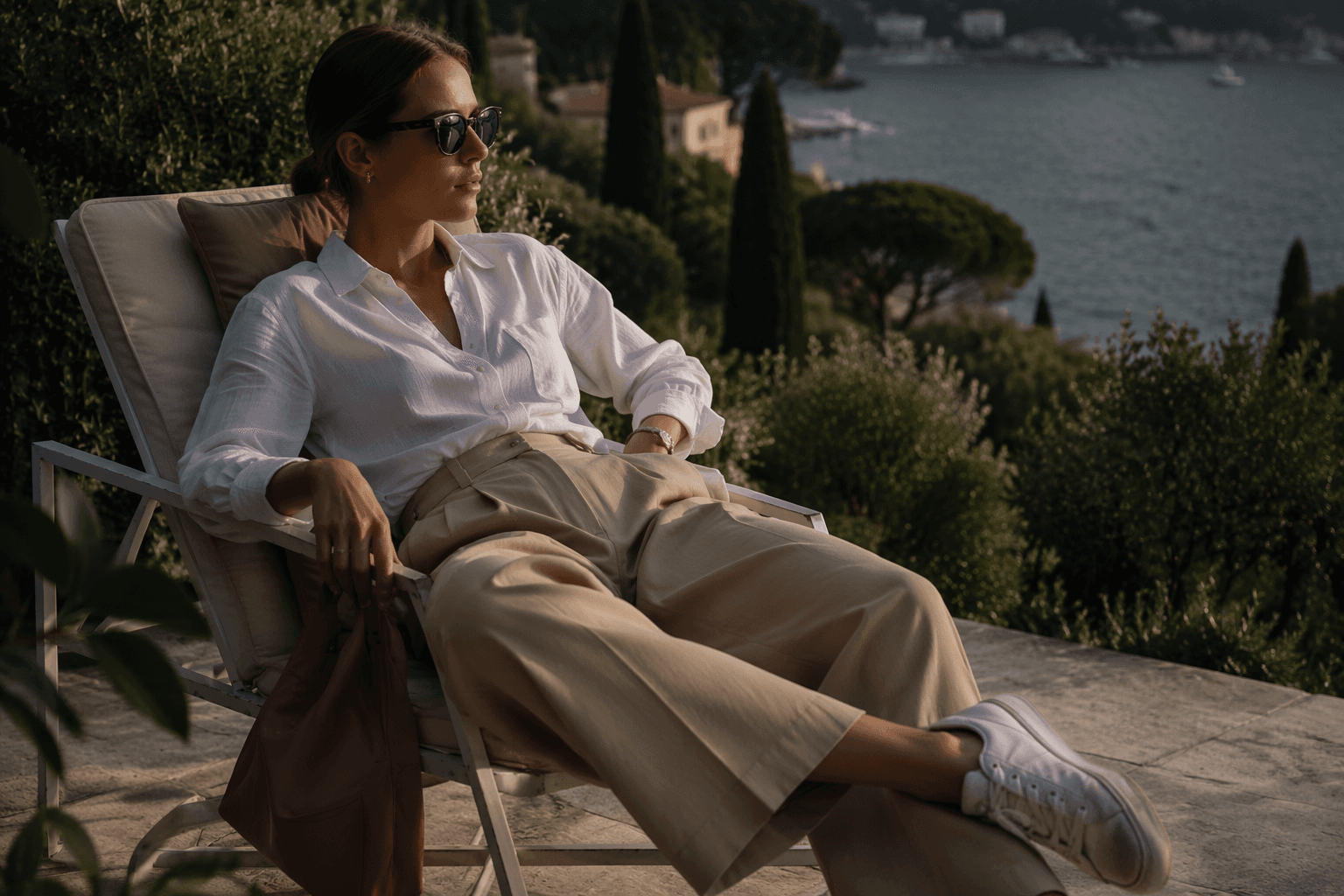
Lazy luxury is what happens when old-money dressing stops trying to look immaculate and starts looking inevitable. For summer 2026, the signal is not polish for polish’s sake, but ease that still costs serious money: incognito accessories, comfort-first tailoring, and a uniform that looks like it has been worn a hundred times without losing its shape. Editorialist is right to frame it as an antidote to the louder, more-is-more mood of prints, fringe, florals, and bright color, because the real appeal is social, not just aesthetic. It is quiet wealth and authority with the volume turned down another notch.
The code works because it says more by showing less. In the old-money register, that means clothes that never beg for attention but still read expensive at a glance. Think less peacocking, more calibrated nonchalance: the kind of wardrobe that suggests you have a life, a house, a driver, and nowhere to prove anything.
The new uniform is relaxed, but it is not sloppy
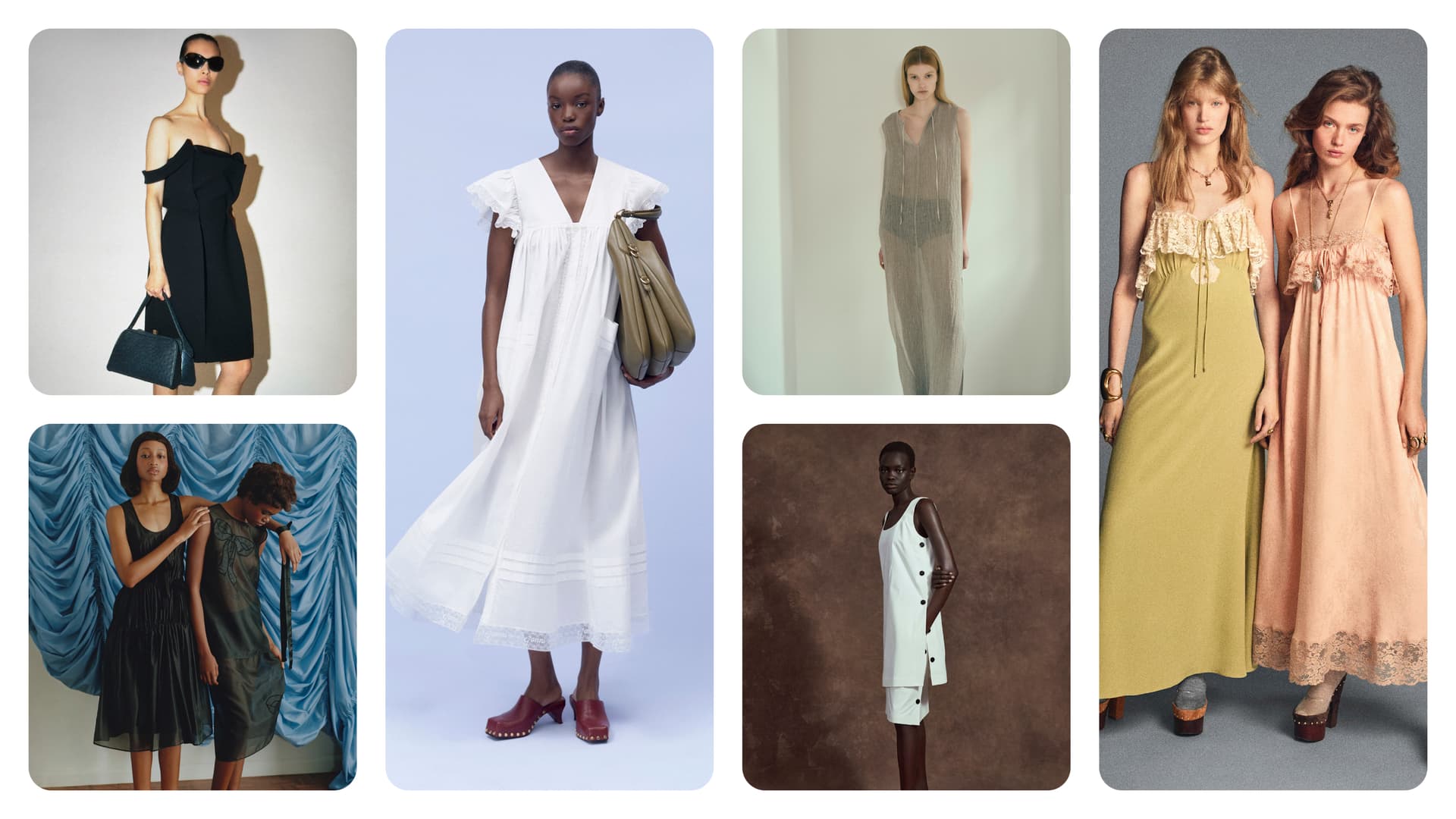
The clearest lazy-luxury pieces are built around silhouette first. Celine’s oversized bucket bag, Fforme’s floor-skimming tunic, and subdued Loro Piana pants worn with sneakers all point in the same direction: softness, length, and movement. The shapes are generous without being baggy, which matters, because truly wealthy dressing rarely looks accidental. It looks considered enough to survive a real day and expensive enough to ignore trend panic.
Who What Wear had already pinned the mood in 2025 with its version of lazy luxury as a lower-effort take on peak richness. Its visual shorthand was telling: loose white poplin trousers, big cotton sweaters, T-shirt dresses, leather flip-flops, dark-wash jeans, and slipper-like mules. That is not red-carpet luxury; that is affluent weekend-house luxury, the clothes of a person moving between a terrace, a dock, and a late lunch without ever seeming dressed up.
Why the vibe is winning now
Lazy luxury is partly a reaction to fashion fatigue. After years of slogan-heavy styling, personality-packed prints, and outfits engineered for the feed, understatement feels sharper again. It also lands in a culture of over-surveillance, where being caught in a TikTok clip can flatten any carefully built image in seconds. A low-key uniform is useful armor when every coffee run is a possible public appearance.
There is also a tech-founder undertone here, and that matters. The aesthetic borrows from the idea that the most powerful person in the room does not need visible effort to command it. That is why the best lazy-luxury looks feel almost defensive in their simplicity, built around “if you know, you know” status signaling instead of broadcast branding.
What reads established wealth, and what will date fast
Not every relaxed piece reads rich. The difference is in material, proportion, and repetition. Established wealth shows up in fabrics that hold their own in heat and travel, like fine linen, crisp poplin, substantial cotton, and serious cashmere. It also shows up in outfits that look designed for repeat wear, not one-off content, which is why the strongest lazy-luxury wardrobes lean into a tight uniform rather than a pile of novelty pieces.
- A softly structured pant worn with sneakers, not a logo sneaker stunt
- An oversized bag with expensive leather and no loud hardware
- A tunic or shirt-dress that moves cleanly and skims the body instead of clinging to trend shapes
- Neutral color that looks sun-washed, not washed out
- Accessories that disappear into the look instead of dominating it
The details that feel most durable are these:
What dates faster is anything that feels too knowingly “lazy” or too attached to one season’s silhouette. A giant bucket bag can start to feel like a costume if the rest of the look is trying too hard. So can oversized volume with no tailoring discipline. The trick is restraint with backbone, not slouch for its own sake.
Quiet luxury evolved, but the story is still the same
Lazy luxury did not appear out of nowhere. It sits on top of the quiet-luxury wave that took off in 2023, when logo-light dressing got amplified by the cultural overexposure of Succession and Gwyneth Paltrow’s ski-trial wardrobe. Then came the next turn: quiet logos, the subtler branding move where debossed or tone-on-tone marks still whisper status without shouting it.
That evolution is telling. The market has been teaching luxury brands that the customer still wants distinction, but not the kind that looks desperate. The newest version of that impulse is not louder logos, but more invisible ones. The message is the same as ever: I belong. I just do not need to announce it.
The economics underneath the ease
The lazy-luxury mood also lands because luxury consumers are changing. In 2022, Financial Times and IPA research found that 64 percent of the New Guard said luxury experiences create more memories than luxury goods, compared with 57 percent of all respondents. That is not just a stat, it is a shift in what status feels like. People still want beautiful things, but they want them to fit into a broader life of travel, dinners, weekends, and experiences that can be remembered, not merely displayed.
That pressure is even sharper against a luxury slowdown. FT Live has said the sector lost around 20 million consumers last year as shoppers cut back, traded down, or redirected spending toward experiences and pre-owned luxury. In that environment, lazy luxury becomes a smart pitch: easier to wear, easier to justify, easier to imagine in a real wardrobe. It is luxury that pretends not to need convincing.
Why Loro Piana is still the reference point, and the warning sign
No brand sits closer to this conversation than Loro Piana. Its cashmere and linen have long been shorthand for quiet-luxury credibility, and its Spring/Summer 2025 collection, timed to the house’s 100th anniversary, only reinforced that association. The house also sits at the sharp end of the category’s contradictions.
Bloomberg reported in March 2024 that Loro Piana’s vicuña sweaters sell for about $9,000, which is the kind of number that makes the whole “nothing to see here” aesthetic look deliciously absurd. The same luxury fantasy also carries labor questions: in July 2025, Bloomberg reported that a Milan court placed Loro Piana under judicial oversight for one year over alleged subcontractor exploitation of migrant workers and due-diligence failures. A U.S. lawmaker also pressed the company in 2024 over what he called exploitation of Indigenous workers in Peru, where communities in the Andes play a crucial role in harvesting the fiber.
That is why lazy luxury has a sharper edge than it first appears. It is not just an aesthetic of ease; it is a status language built inside a luxury system under scrutiny. The clothes may look effortless, but the meaning behind them is anything but. The real test for the trend is whether it can outlast the marketing gloss and keep its authority when the next fashion mood swings back toward spectacle.
Know something we missed? Have a correction or additional information?
Submit a Tip