Legacy Houses Appoint Celebrity Creative Directors for Short-Term Attention, Long-Term Risk
An interpretive analysis dated Feb 22, 2026 finds legacy houses are installing celebrity creative directors to buy short-term attention through social-media reach, while risking long-term brand stewardship.
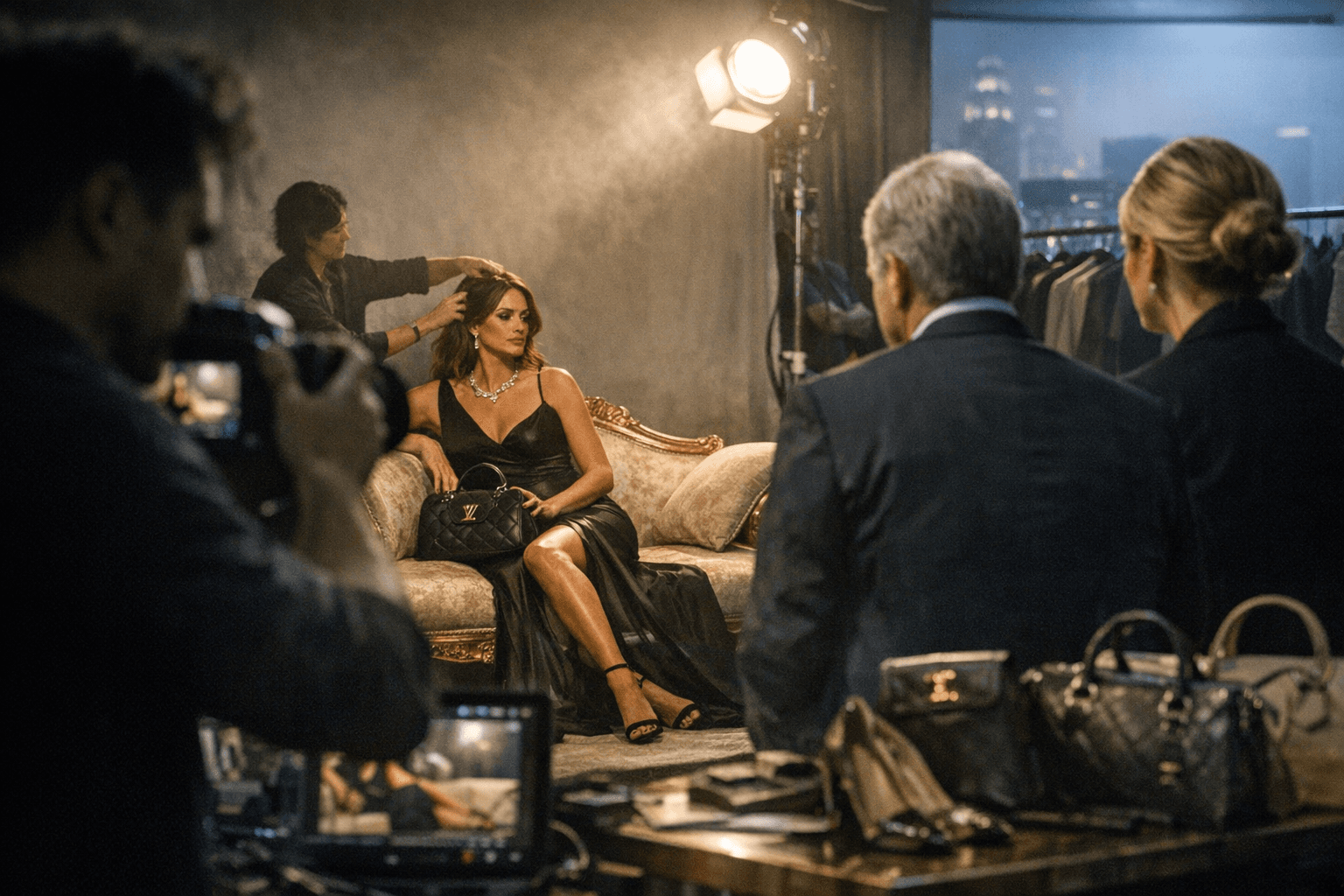
An interpretive analysis published Feb 22, 2026 argues that legacy houses are increasingly appointing celebrity creative directors as a deliberate attention-buying strategy, trading deep brand stewardship for immediate social-media reach. The study frames the move as attention economics at work: celebrity names produce "massive short-term reach and social-media" amplification that translates into headlines, sold-out drops, and surges in web traffic within days of an appointment.
That short-term calculus is mercilessly efficient. The Feb 22, 2026 analysis shows that celebrity appointments deliver instant visibility across feeds and fashion pages, concentrating publicity into a finite window. Runway shows, campaign launches, and red-carpet appearances convert a creative director’s personal following into impressions and viral moments; brands then report spikes in engagement and retail inquiry that are measurable within 48 to 72 hours after the announcement.
But the same Feb 22, 2026 assessment raises a clear warning about long-term brand stewardship. Houses with century-old codes and artisanal supply chains require slow, attentive curation; the analysis names a culture clash between a celebrity’s personal brand timetable and the patient work of preserving couture archives, supplier relationships, and repair networks. Over time, repeated short-term hires can dilute a house’s signature cuts, fabrics, and tonal language, an erosion that the Feb 22, 2026 paper links directly to weakened resale value and confused heritage narratives.
Commercially the consequences are mixed, according to the Feb 22, 2026 evaluation. Attention-driven appointments may lift seasonal sales and marketing metrics, but they also create inventory and distribution pressure for retailers and department stores that stock legacy labels. The analysis notes that the revenue generated by viral campaigns often clusters around the appointment cycle rather than sustaining steady, full-price demand across a full season.
For readers who buy into the Old Money Fashion ethos, the Feb 22, 2026 analysis offers a practical takeaway: prioritize pieces that demonstrate the very stewardship celebrity hires tend to neglect. Seek clothing with visible artisanal markers, easy repairability, and documented provenance; those are the qualities most likely to outlast the social-media spike described in the Feb 22, 2026 review.
If the trend identified on Feb 22, 2026 continues, legacy houses will face a strategic choice between ephemeral fame and custodial responsibility. The analysis concludes that short-term attention is seductive and measurable, but long-term brand value depends on choices that move at a slower pace than a viral moment.
Know something we missed? Have a correction or additional information?
Submit a Tip