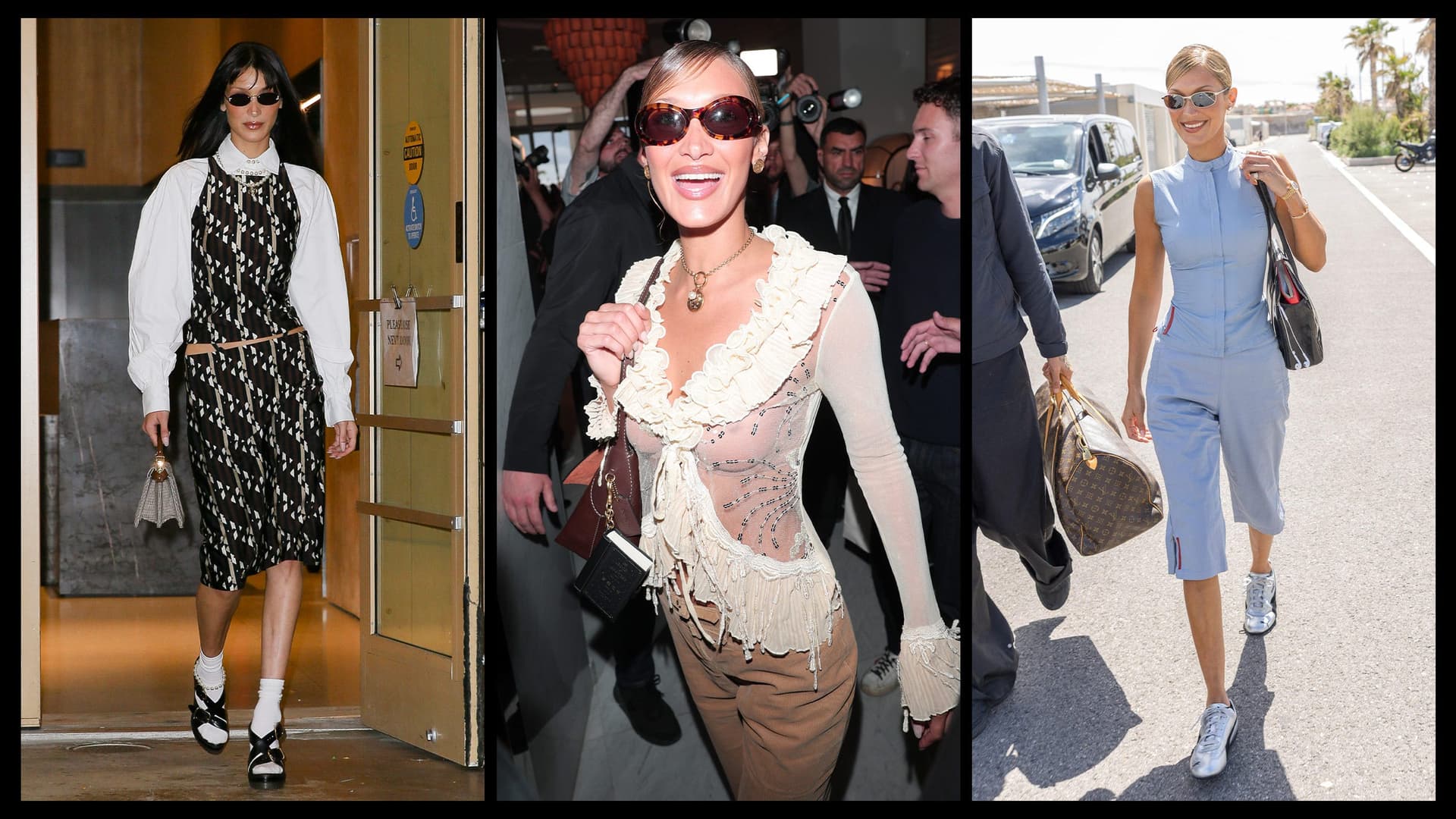
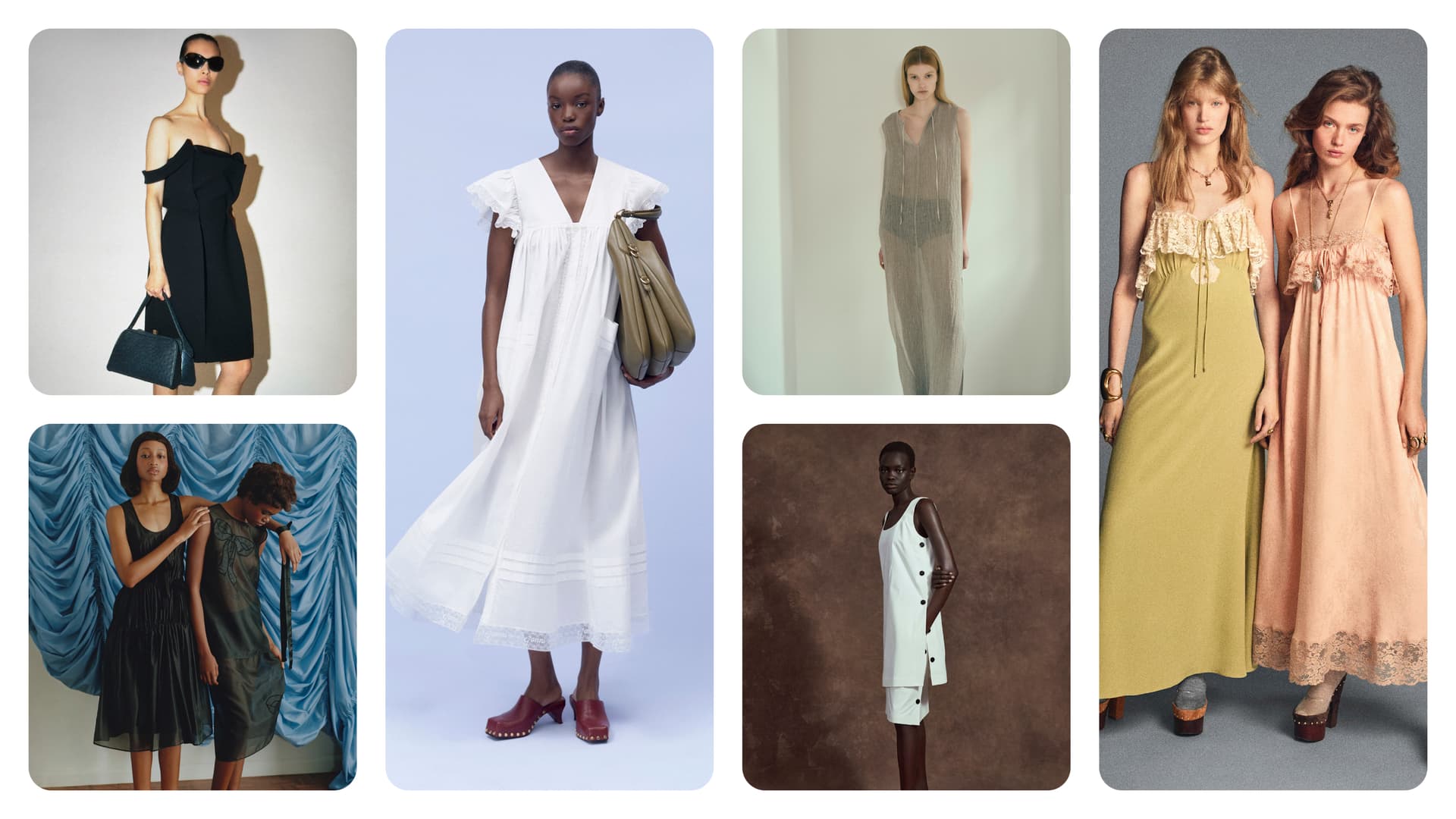
London’s old money uniform, polished layers for cool, rainy days
London's old-money polish is layered, weather-smart and quietly expensive. Think heritage cloth, crisp tailoring and shoes that survive rain without looking practical.
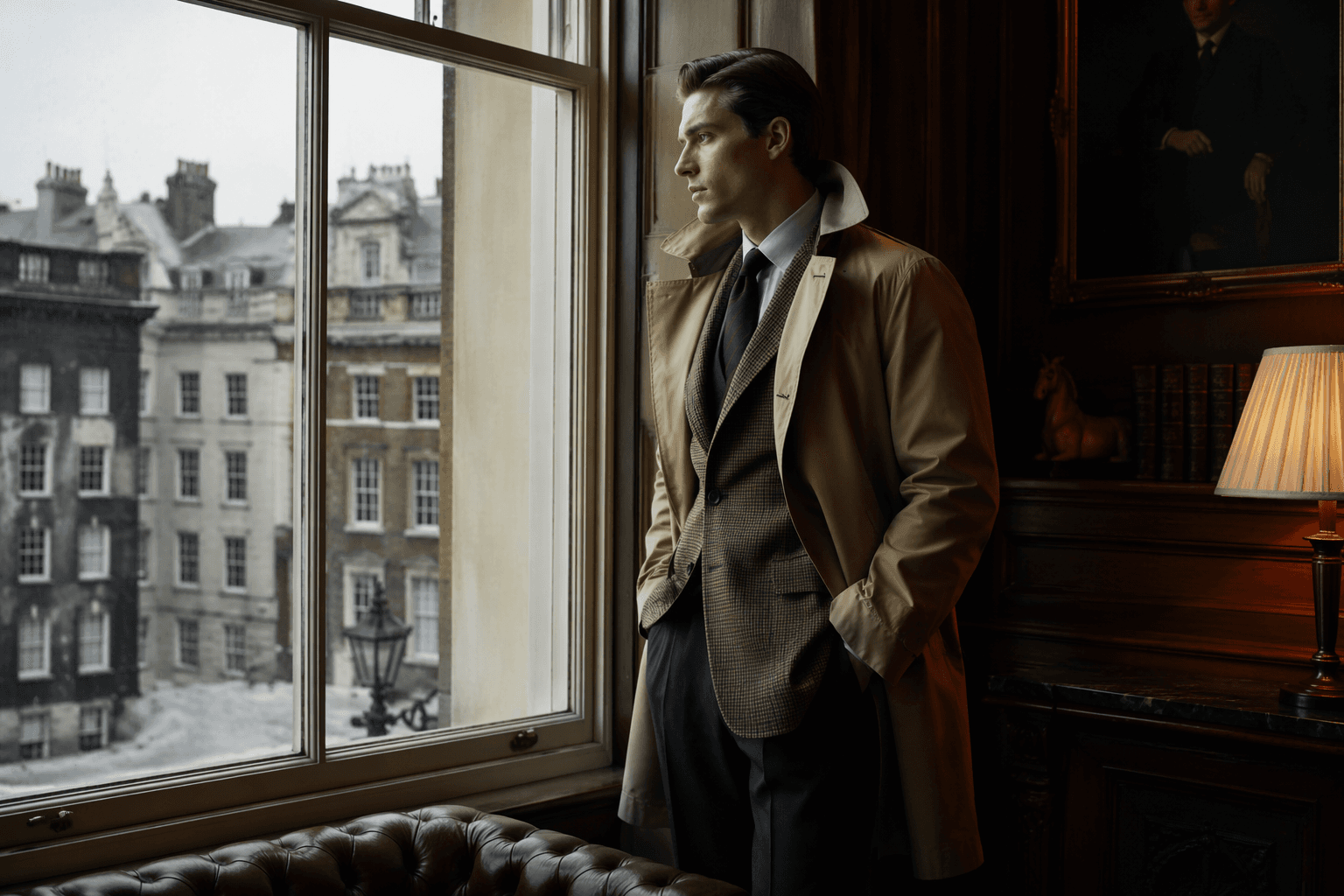
The London code: polish without performance
London old money dressing is never loud. It reads as ease, but that ease is built from structure: a striped shirt under a tailored coat, capri pants with ballet flats, a heritage knit thrown over the shoulders when the sky turns. The look works because it understands the city’s social language, especially in places like Belgravia and Portobello Road, where heritage matters as much as taste.
What makes it compelling now is the balance. The strongest London uniform feels individual, but never accidental. It borrows from heritage brands, vintage finds and pragmatic staples, then edits everything down to something controlled, clean and just a little bit aloof.
Why London dressing starts with the weather
London in May rarely behaves like a glossy travel postcard. Daytime highs sit around 17 to 18°C, nights drop closer to 8 to 9°C, and rain is still part of the deal. That is why the smartest London wardrobe is built in layers, not statements. A single outfit has to move from a chilly morning to a milder afternoon to an evening drizzle without losing its shape.
The Met Office’s long-term climate averages reinforce the point: this is a city that rewards flexibility. In practice, that means choosing clothes that hold up when the temperature shifts and the pavement gets wet. Wool, cotton poplin, lightweight trenching, polished leather and compact knits all earn their place because they look refined even when the forecast is not.
Belgravia: where refinement is the point
Belgravia gives the old-money look its architecture. Developed around Thomas Cubitt’s grand Regency townhouses, the area became one of London’s most fashionable districts, and that history still shows up in the way people dress there. The neighborhood’s association with luxury shopping and bespoke tailoring makes it a natural setting for clothes that look considered rather than styled for attention.
For brunch in Belgravia, the formula should feel crisp and composed. Think a striped shirt with tailored layers, maybe a sharp coat over straight-leg trousers or capri pants, finished with ballet flats that feel delicate but not precious. The message is clear: you know the codes, but you do not need to announce them.
- Clean shirting in cotton or poplin
- Tailoring with a soft shoulder and a neat line
- Outerwear that looks expensive even when it is practical
- Shoes that are elegant enough for lunch, durable enough for a wet pavement
A Belgravia wardrobe leans on:
The trick is restraint. Leave behind anything overworked, overly branded or too obviously trying to look old money. The polished London version is quieter, and that is exactly why it reads as established.
Portobello Road: history with personality
Portobello Road gives the style story its soul. The London Museum dates the market to about 1870, and its identity has long been tied to antiques, vintage clothes and a bohemian atmosphere. The official Portobello Market site describes it as one of the world’s most famous historical street markets, which is precisely why it remains such a useful style reference point. It is not just charming; it has cultural memory.
That matters because vintage in London is not costume. It is part of the city’s fashion grammar. At Portobello, a good outfit looks like it belongs among old leather bags, worn-in tailoring and market stalls layered with history. The right clothes signal that you understand the difference between trend shopping and collecting pieces with character.
The best Portobello look is lived-in but polished: a striped shirt, capri pants or straight trousers, a fine knit, a trench or tailored coat, and flats that can handle a long walk. The effect should be relaxed, but not casual in the tourist sense. You want to look like you came for a specific piece, not like you dressed for an itinerary.
The right mix of heritage and pragmatism
London old money style works because it never treats practicality as a compromise. In a city built on sudden rain and long walks, clothes have to function, but function is not the same as blandness. A sharp coat, a beautifully cut shirt and a solid shoe can carry far more authority than anything that feels too decorative.
That is where heritage brands and vintage pieces come in. They lend the wardrobe depth. The look becomes less about chasing novelty and more about curating continuity, as if the clothes have already lived a little before they reached you. That is the heart of the old-money mood: pieces that suggest provenance, discipline and taste that has had time to settle.
Burberry and the authority of outerwear
No London wardrobe conversation is complete without Burberry. Thomas Burberry founded the brand in 1856 in Basingstoke, and its origin story is rooted in clothing designed to protect people from British weather. That is not just a useful fact, it is the philosophical center of the London coat.
Burberry’s trench-coat legacy lines up neatly with the city’s tailoring tradition. It explains why outerwear matters so much in this style language: the coat is the first thing people see, and in London it has to do real work. A good trench, or any coat with similar discipline in line and fabric, turns a practical necessity into a marker of refinement.
This is also why crisp shirts and investment accessories matter. They keep the look from collapsing into utilitarian dressing. A sturdy umbrella, a leather bag with proper structure, a polished loafer or flat, and a coat that holds its line in the rain all say the same thing: the wearer planned ahead, but made it look effortless.
The modern old-money formula
If the goal is to look established in London rather than dressed for a travel photo, the formula is refreshingly simple. Build from neutral tailoring, add one heritage anchor, and keep the shoe choice elegant enough for a city that expects weather, walking and discretion all at once.
- Striped shirt, tailored trousers, trench and ballet flats
- Capri pants, a fine knit, structured coat and polished loafers
- Vintage blazer, crisp shirt, straight skirt and rain-ready shoes
- Heritage knit, tailored layers and a bag that looks inherited, not hyped
The strongest combinations are the ones that feel almost inevitable:
What you skip matters just as much. Anything too polished to the point of showroom shine, too logo-heavy, or too trend-chasing will work against the mood. London old money style is not about looking new. It is about looking like you understand the city’s pace, its weather and its class of understatement.
That is why Belgravia and Portobello Road tell the same story in different accents. One is the language of townhouse polish, bespoke edges and quiet expense. The other is the language of antiques, vintage clothes and cultural memory. Put them together and you get the London uniform at its best: layered, weather-aware and unmistakably sure of itself.
Know something we missed? Have a correction or additional information?
Submit a Tip