Louis Vuitton refreshes City Guides for eight global style capitals
Louis Vuitton’s City Guides turn itineraries into status objects, pairing local access, cultural literacy, and quiet luxury across eight refreshed capitals.
Why Louis Vuitton still gets the assignment
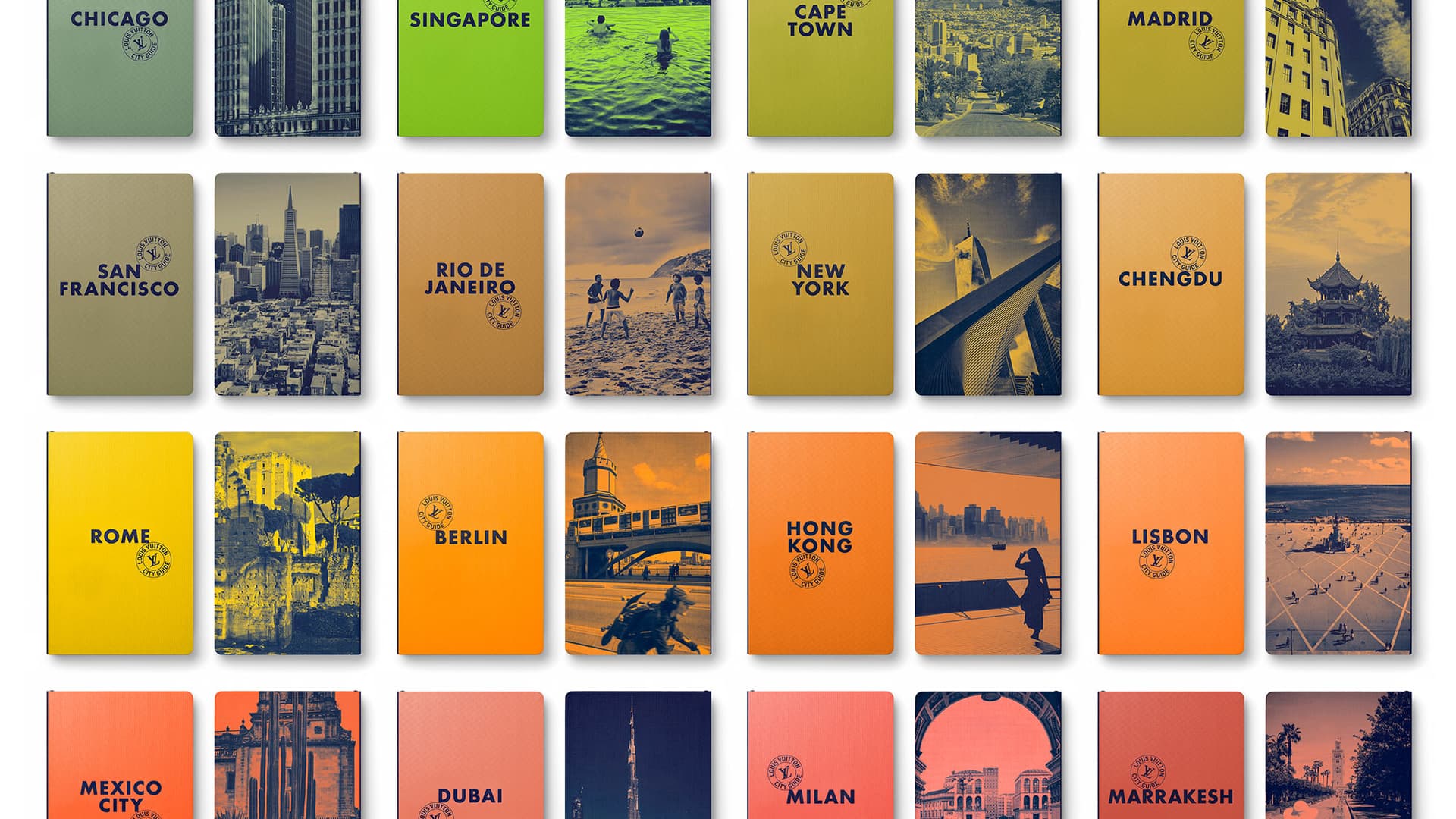
Louis Vuitton does not treat a city guide like a tourist pamphlet. It treats it like a taste test, a small object that tells affluent readers where to move, who to trust, and what to notice. That is exactly why the City Guides still matter: they package discretion, access, and cultural literacy with the kind of polish old-money travel style has always prized.
The refreshed books now span Bangkok, London, Los Angeles, Miami, New York, Paris, Rome, and Tokyo, and they arrive in print and digital formats in multiple languages. Louis Vuitton has built the series into a wider travel universe that reaches beyond the shelf, with an app, Apple TV content, and a Tambour Horizon watch version. The whole ecosystem feels less like a directory and more like a membership card for people who like their information edited, not crowded.
The eight-city refresh, and why it reads like a house list
The spring 2026 update lands on May 7, and the contributor lineup tells you everything about how Louis Vuitton thinks authority works now. Chef Chalee Kader shapes Bangkok, Matthew Yokobosky brings New York into focus, and artist Eva Jospin gives Paris its latest point of view. These are not anonymous names bolted onto a map. They are cultural interpreters, which is the whole point.
That approach has been part of the formula since the City Guides launched in 1998. Earlier editions leaned on recognizable local voices such as Ou Baholyodhin, François-Joseph Graf, Sophie Auster, Alexei Ginzburg, and Kengo Kuma, which says a lot about the brand’s instincts. Louis Vuitton wants each city to feel filtered through someone who already understands the room, not flattened into generic luxury travel copy. That is a smarter move than chasing the loudest attractions, because true affluence has always preferred judgment over spectacle.
What the guides actually contain
The structure is where the brand earns its keep. Each guide folds together local history, profiles of notable people, and curated picks for hotels, restaurants, cafés, bars and nightlife, shopping, arts and culture, walking tours, and practical essentials. There is also a guest-contributor section, which gives each city a personal angle instead of a sterile list of addresses. The result is useful without feeling utilitarian, which is a difficult balance to fake.
The app extends that logic with a broader catalog, covering 52 cities worldwide and 15 resort guides. Its sections include Hotels, Restaurants, Bars and nightlife, Arts and culture, Walking Tours, The Districts, The Essentials, plus a Kiosk content hub and a map and search function. Louis Vuitton also pushes the experience onto Apple TV and the Tambour Horizon watch, with “Around Me” and “24 Hours” features that turn the guide into something you can actually carry through a day without looking like you are consulting a spreadsheet.
Why the price matters more than the pages
The printed guides sit at $43 each, while the digital editions run $10 per guide. That pricing is not accidental. It keeps the print version in collectible territory, the kind of object you leave on a tray table or tuck into a tote, while the app version makes the same world easier to access without stripping away the brand aura.
Compared with the disposable, algorithm-fed travel list culture most people live in now, this is a more deliberate proposition. You are not being sprayed with recommendations. You are being handed a view of the city with a point of view attached. That is a luxury in itself, especially for readers who understand that the best travel style is often quieter than the outfit they packed for it.
Old money travel is really about control
This is why Louis Vuitton still has authority here. Old-money style is not just about cashmere, leather, or the right loafer. It is about knowing where to go without needing to announce that you know. The City Guides translate that instinct into print and digital form, and they do it with a level of restraint that feels rare in a culture addicted to oversharing.
The guides also serve both visitors and local residents, which is part of their appeal. They are not merely about arrival. They are about moving through a city with enough context to feel at ease, enough cultural literacy to avoid looking obvious, and enough editing to keep the whole thing elegant. In the end, that is Louis Vuitton’s real product here: not a list of places, but a way of moving through the world that still reads as composed, informed, and unmistakably expensive.
This article was produced by Prism’s automated news system from verified source data, official records, and press releases, then run through automated quality and moderation checks before publishing. The system is built and supervised by the people who set the standards it runs under. Read our full AI policy.
Did this article answer your question?